
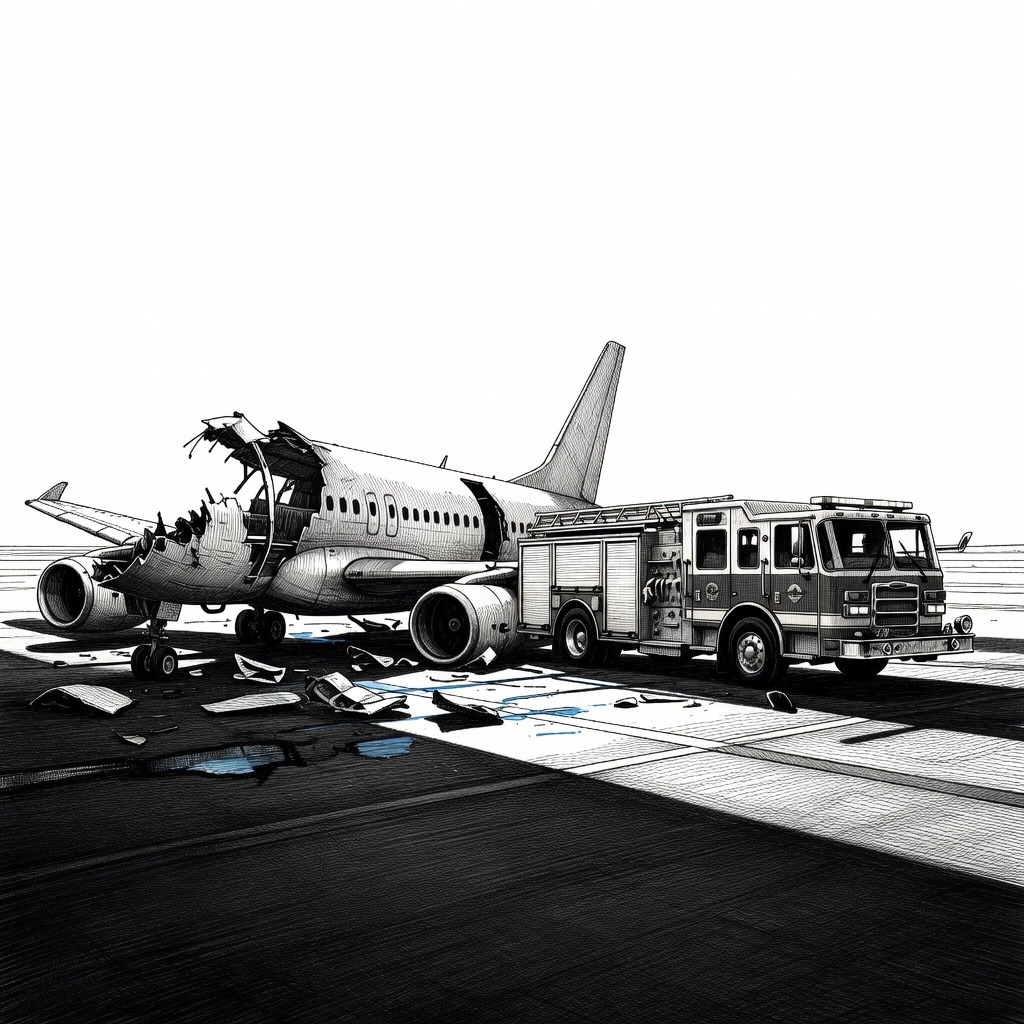
• Demand Systemic Institutional Oversight Prioritizing strict government accountability, this perspective views the conflicting runway directives as evidence of a catastrophic systemic failure rather than a localized anomaly. The revelation by Port Authority Executive Director Kathryn Garcia that the fire truck had clearance, directly contradicting the ATC audio demanding the vehicle to stop, exposes severe structural flaws in emergency communication protocols. This camp demands comprehensive reform of the overarching agencies managing LaGuardia's operations to ensure such fatal disorganization cannot be repeated.
• Shield Vulnerable Frontline Lives Centering the protection of the vulnerable, this camp emphasizes the tragic human cost borne by those subjected to institutional negligence. The deaths of the two pilots and the hospitalization of approximately 40 passengers, crew members, and firefighters underscore how bureaucratic dysfunction disproportionately harms frontline workers and everyday citizens who trust the system. Passenger Jack Cabot’s account of rapid braking and a severe impact serves as a stark reminder of the terror inflicted when oversight bodies fail in their primary duty of public care.
• Prevent Insular Bureaucratic Scapegoating Wary of entrenched power protecting its own status quo, there is a deep-seated fear that overarching agencies will deflect responsibility downward onto individuals. By highlighting the ATC controller's audio admission that a "mistake had been made," this camp warns against pinning the tragedy solely on low-level employees to shield senior leadership from accountability. The long-term implication they fear is a superficial investigation that penalizes a single controller without dismantling the hazardous operational frameworks that enabled the disaster.
How it may affect me
As a U.S. reader:
• In the short term, travelers face immediate logistical disruptions and restricted domestic mobility due to the temporary closure of LaGuardia Airport and hundreds of canceled flights.
• Airport passengers and frontline workers may experience near-term uncertainty regarding the safety and reliability of emergency response protocols and air traffic control communications.
• Over the long term, the public could see changes to airport operational frameworks as the joint NTSB and FAA investigations may lead to either targeted procedural corrections or comprehensive institutional reforms.
• Future accountability and safety measures in the aviation sector may shift, affecting whether overarching agencies or specific operational chain-of-command errors are prioritized in preventing future incidents.