
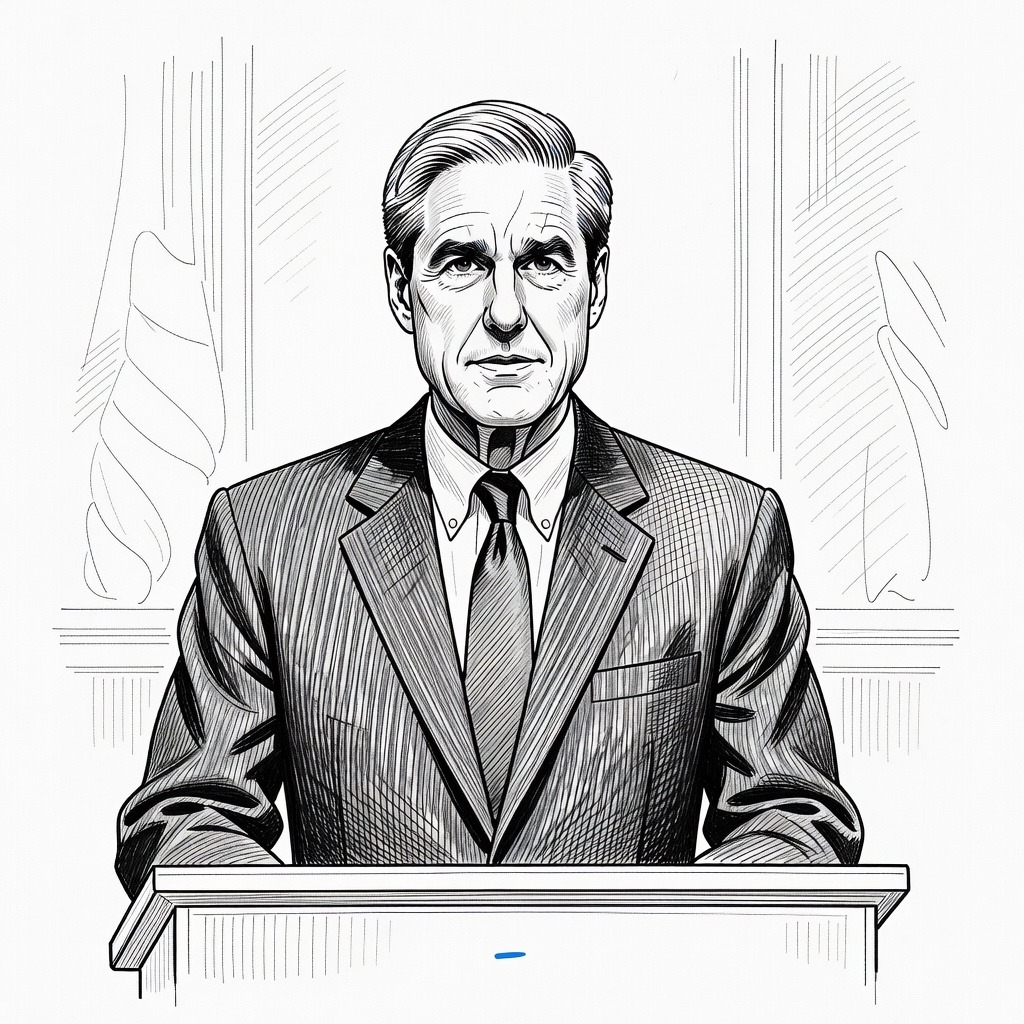
• Engine of Elite Accountability Progressivism demands aggressive checks on those holding the highest levels of power, viewing the special counsel's office as a vital tool against executive impunity. By securing indictments against deeply entrenched political operatives like Paul Manafort, Michael Flynn, and Roger Stone, Mueller validated the necessity of challenging the status quo. This facet of the investigation represents a structural success, proving that systemic mechanisms can be leveraged to expose and prosecute corruption among the typically untouchable elite.
• Paralysis Through Institutional Dogma Protecting democratic integrity requires legal watchdogs to adapt when the republic faces unprecedented executive threats. Mueller’s refusal to issue a definitive prosecutorial judgment on obstruction—relying strictly on an internal Justice Department policy against indicting a sitting president—is interpreted as a fatal failure of bureaucratic imagination. By elevating institutional decorum and outdated memos over urgent government accountability, this camp argues the investigation structurally shielded a powerful leader from facing the immediate consequences of his actions.
• Vulnerability to Partisan Sabotage A persistent fear within reformist frameworks is that traditional, by-the-book institutions are entirely unequipped to combat bad-faith political manipulation. The critique regarding former Attorney General Bill Barr outmaneuvering Mueller reflects the belief that playing strictly by the old rules guarantees defeat in a hyper-partisan era. The failure to aggressively control the narrative and release of the report’s findings demonstrates how rigid adherence to procedure allows public truth to be easily suffocated by those actively holding power.
How it may affect me
As a U.S. reader:
• No significant public impact is expected, as the passing of this retired official primarily generates media and political discourse regarding his past investigations and institutional legacy rather than affecting current government operations or citizens' daily lives.