
• Resisting Coercive Enforcement Tactics Holding back Department of Homeland Security funding operates as a necessary and legitimate constitutional check against an overreaching executive branch. Democrats are utilizing the power of the purse to demand baseline accountability and systemic changes to federal immigration enforcement operations. The resulting TSA staffing crisis, while disruptive to travelers, is viewed as a necessary institutional friction to halt broader, harmful state operations.
• Weaponizing Public Transit Hubs The directive for ICE agents to arrest undocumented immigrants—specifically targeting Somalis—transforms routine airport operations into zones of discriminatory state surveillance. Blurring the line between aviation safety and aggressive immigration sweeps fundamentally violates civil liberties by conflating a public administrative crisis with racialized targeting. This deployment is seen as exploiting TSA staffing shortages to advance a hostile, xenophobic agenda against vulnerable populations.
• Shielding State Autonomy from Oligarchs Elon Musk’s proposal to privately cover TSA salaries represents a dangerous slide toward the privatization of core sovereign duties. Federal regulations rightly prohibit this intervention, as allowing billionaires to bankroll government employees fundamentally bypasses democratic oversight. Permitting private capital to directly fund federal security forces threatens public accountability, risking the transformation of impartial state institutions into corporately subsidized entities.
How it may affect me
As a U.S. reader:
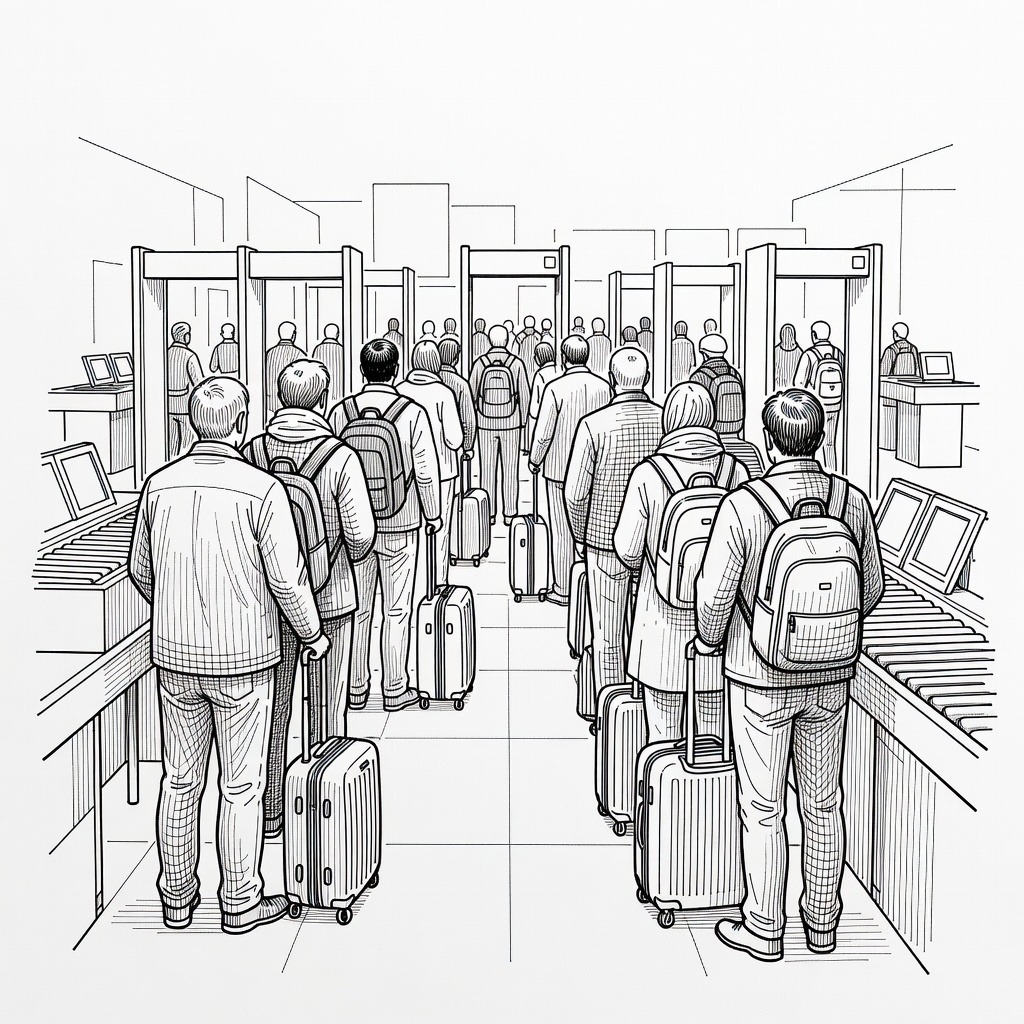
• In the short term, passengers will face severe travel disruptions during the spring break season, including security wait times of up to three hours at major airports and the potential temporary closure of smaller regional airports.
• Travelers will experience a highly visible shift in airport security operations, as ICE agents are deployed nationwide to simultaneously manage routine security lines and conduct targeted immigration enforcement.
• Undocumented immigrants and individuals of Somali descent face an immediate, increased risk of detention and arrest at public transit hubs due to the specific directives of the new executive enforcement operation.
• In the long term, the continued lack of Department of Homeland Security funding and the legal inability to accept private financial relief suggest prolonged instability and staffing shortages for national travel infrastructure until a legislative resolution is achieved.