
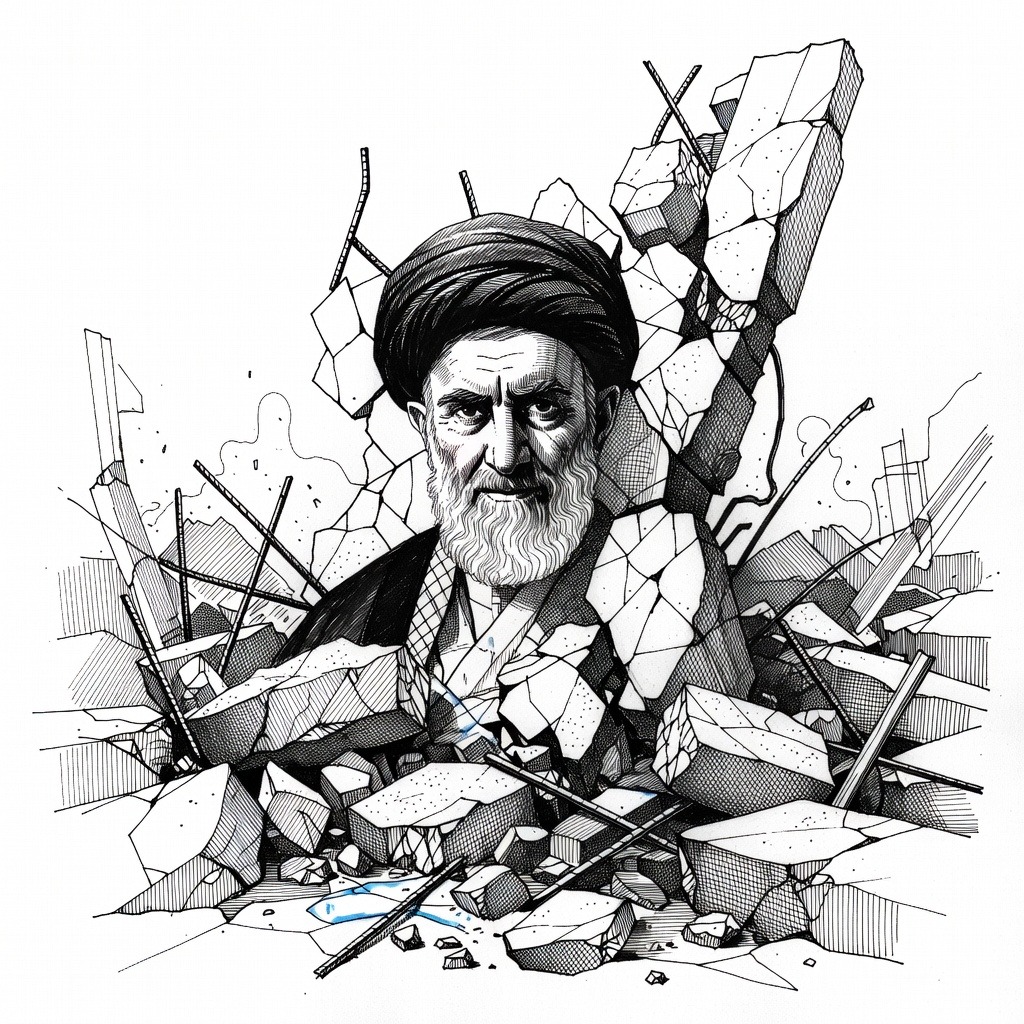
• Catalyst for Escalatory Blowback Prioritizing de-escalation, this perspective views the targeted assassinations of Iranian leadership, including former Supreme Leader Ali Khamenei, as a dangerous trigger for uncontainable retaliation. Rather than neutralizing the threat, eliminating heads of state creates unpredictable power vacuums and radicalizes remaining factions. The direct consequence of these strikes is the immediate spillover of violence into domestic spheres, explicitly evidenced by the Michigan synagogue explosives attack and the Texas shooting orchestrated by regime sympathizers.
• Accelerating Regional Mission Creep Maintaining deep skepticism toward military interventions, this camp interprets the deployment of 2,500 U.S. Marines and two amphibious assault ships as a profound failure of diplomatic restraint. Funneling conventional ground and naval forces into the Straits of Hormuz shifts the campaign from targeted intelligence operations to a sprawling, conventional regional conflict. This rapid expansion risks trapping the United States in another prolonged, unwinnable Middle Eastern war rather than securing a definitive peace.
• Multiplying Asymmetric Civilian Vulnerabilities Valuing the protection of non-combatants and international law, this framework highlights how aggressive military postures directly endanger innocent lives globally. General Shekarchi’s declaration that public parks and tourist sites worldwide are now legitimate targets proves that maximum military pressure is mutating the battlefield to encompass everyday civilian spaces. The reliance on military force fails to protect populations, instead inviting horrific asymmetric terrorism that traditional naval deployments cannot effectively intercept.
How it may affect me
As a U.S. reader:
• In the short term, the public faces elevated domestic security risks, as authorities have issued heightened alerts following violent incidents involving regime sympathizers at a Michigan synagogue and in Texas.
• International travel and visits to recreational areas carry increased short-term and long-term safety risks, as Iranian military leadership has publicly declared everyday civilian spaces like global public parks and tourist sites to be legitimate targets.
• The immediate deployment of 2,500 Marines and two amphibious assault ships directly impacts U.S. military personnel and their families, introducing the long-term possibility of the country entering a prolonged conventional war in the Middle East.
• U.S. military operations in the Straits of Hormuz could have long-term implications for global shipping, as naval forces attempt to secure the vital maritime chokepoint against disruption.