
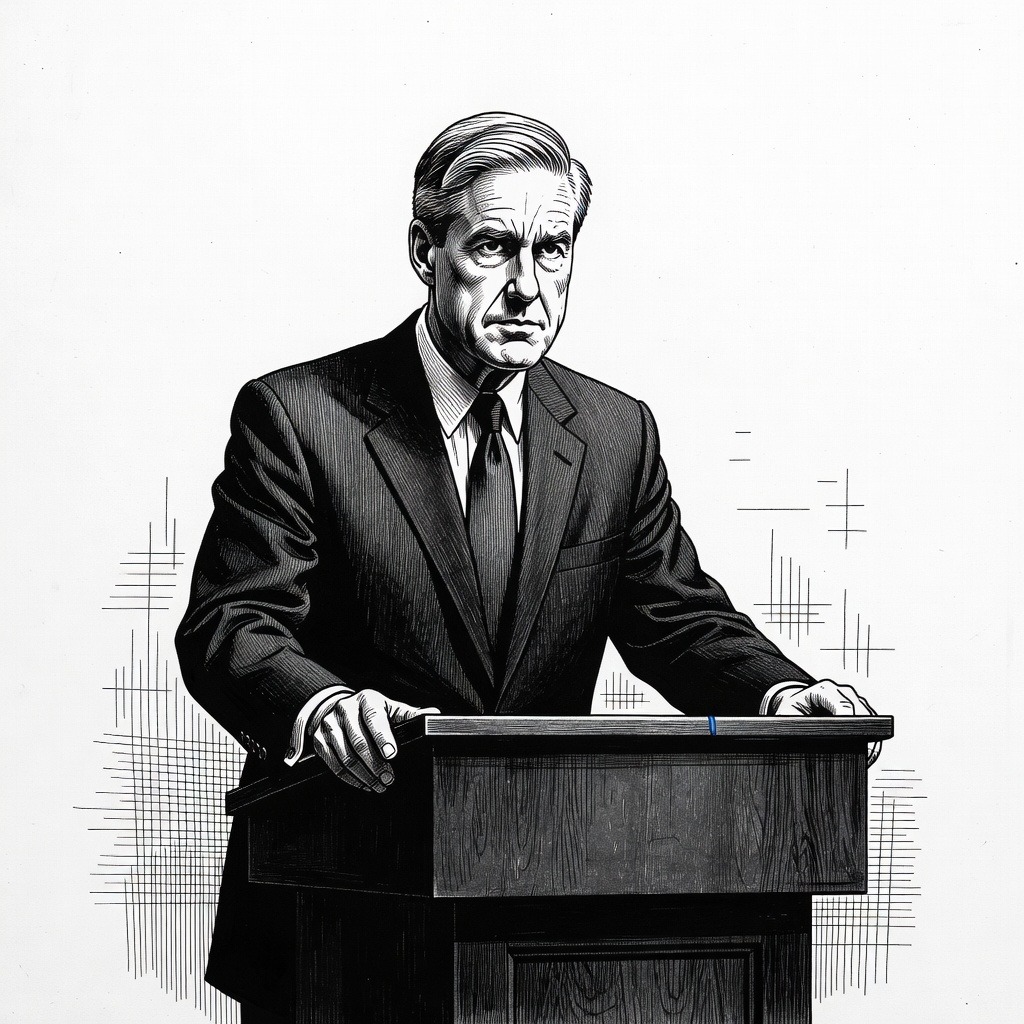
• Shielding Democratic Systemic Integrity The 2017 special counsel probe is valued as a critical instrument for enforcing government accountability against elite impunity. By formally confirming Russian electoral interference and documenting instances of potential executive obstruction of justice, this framework views Mueller’s work as an essential fact-finding bulwark. This effort is seen as vital to protecting democratic institutions from both foreign manipulation and domestic abuse of power, prioritizing systemic integrity over political comfort.
• Exposing Executive Norm Erosion Trump’s celebratory social media statement expressing satisfaction over Mueller's death is interpreted as a glaring symptom of institutional degradation. For reformers, a former president openly rejoicing at the demise of a lifelong civil servant validates the necessity of the original probe. It illustrates a dangerous political dynamic where personal loyalty to a leader supersedes respect for the non-partisan application of justice and civil liberties.
• Lamenting Unfinished Systemic Accountability The cancellation of the 2025 congressional subpoena regarding the Epstein case due to Mueller’s 2021 Parkinson’s diagnosis represents a profound loss for institutional transparency. From this perspective, his declining health and eventual passing leave crucial elite accountability questions permanently unanswered. This highlights the systemic vulnerability of relying on singular, mortal institutional figures to fully untangle complex webs of powerful misconduct.
How it may affect me
As a U.S. reader:
• In the long term, the public will permanently lose any potential factual insights or testimony from Mueller regarding the congressional Jeffrey Epstein inquiry, leaving certain questions about elite misconduct unanswered.
• In the short term, voters will navigate renewed political polarization as leaders use Mueller's passing to publicly debate whether federal investigations serve as essential protections for democratic integrity or as weapons of bureaucratic overreach.
• Over the long term, the formal close of Mueller's highly debated investigative epoch may allow the U.S. political system to shift its operational focus and public attention away from his specific past probes and toward maintaining baseline civic order.