
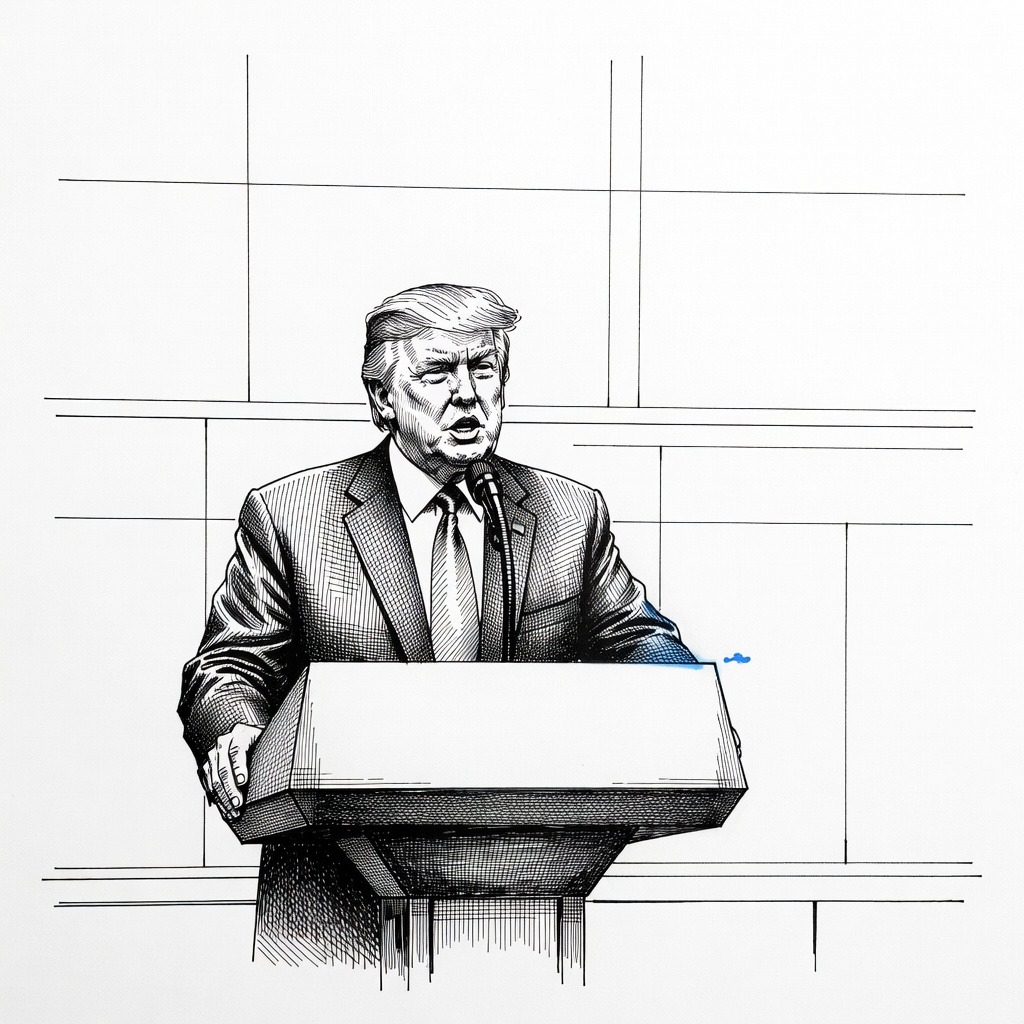
• Condemning the Collateral Damage Prioritizing the humanitarian and societal costs of conflict, this perspective views the military strikes against Iran—and the resulting $3.91 gas prices—as a disastrous failure of diplomatic de-escalation. By highlighting Representative Gonzalez’s statement that the war cost both lives and money, this camp argues that kinetic warfare predictably extracts an unacceptable toll on domestic stability. They interpret the disruption of energy markets not as a strategic necessity, but as a direct consequence of reckless interventionism.
• Challenging the Temporary Narrative Valuing government accountability, this camp fundamentally rejects Vice President Vance's assurance that the $1 per gallon fuel surge is merely a transient phase. They interpret the Federal Reserve’s reluctance to reduce interest rates and the climb to 6.53% mortgage rates as proof that overseas militarism inflicts deep, cascading damage on the domestic economy. From this viewpoint, the administration is downplaying long-term macroeconomic risks to justify immediate geopolitical aggression.
• Exposing the Domestic Burden Focused on protecting vulnerable populations from institutional extraction, humanitarians see the shift in consumer behavior toward discount retailers like Costco as evidence of forced austerity rather than resilience. They view President Trump’s pause of the Jones Act as a desperate institutional scramble to mask the reality that working-class citizens are actively financing these military objectives at the pump. The ultimate fear is that continuous geopolitical escalation will permanently erode domestic living standards to fund unwinnable overseas conflicts.
How it may affect me
As a U.S. reader:
• In the short term, you will experience higher daily travel expenses due to the national average for regular gasoline rising approximately one dollar to 3.91 per gallon.
• You may need to alter your consumer behavior to offset these immediate fuel costs, such as shifting your everyday shopping to discount retailers.
• Purchasing a home or borrowing money will be more expensive right now, as 30-year fixed mortgage rates have climbed to 6.53 percent and the Federal Reserve has halted planned interest rate reductions due to inflation concerns.
• Over the long term, depending on whether the overseas military conflict is brief or prolonged, you could face either temporary market volatility that eventually stabilizes or a lasting decline in your overall standard of living.