
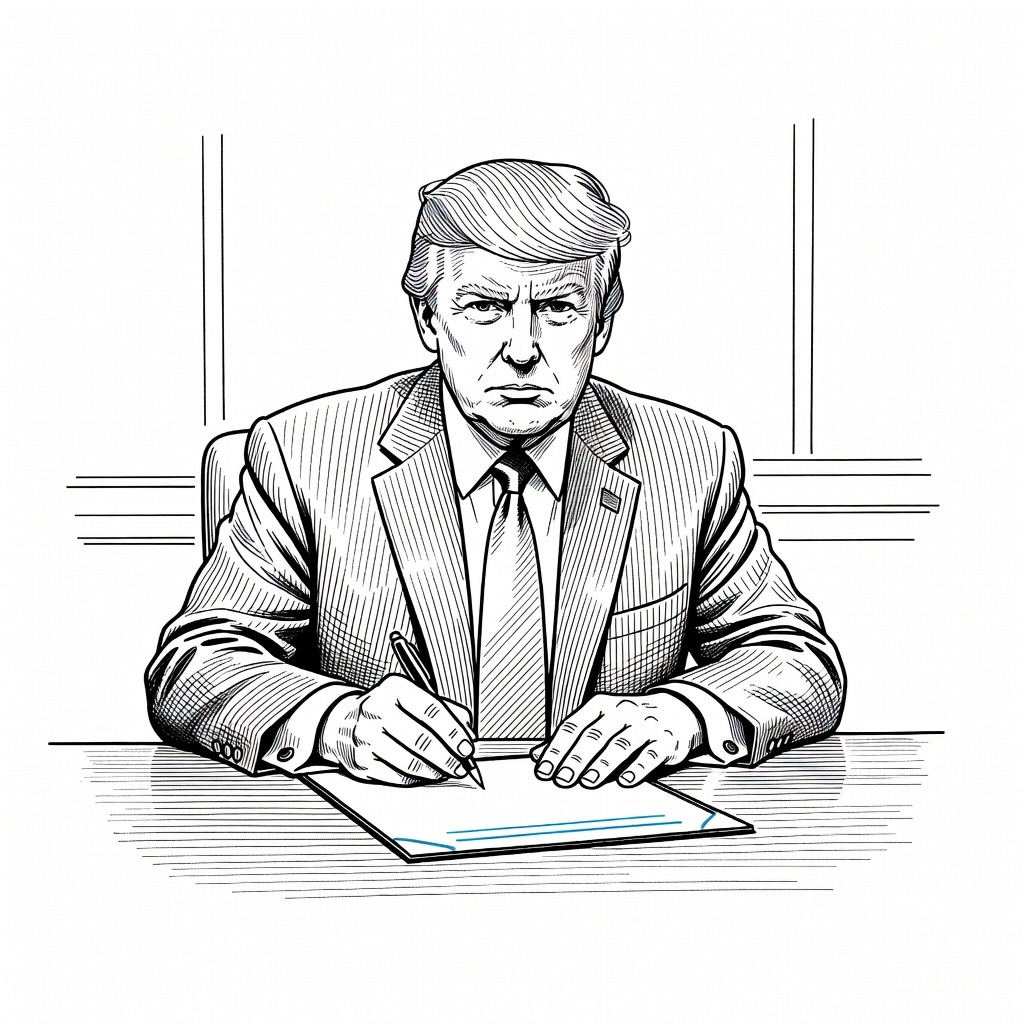
• Erasing Local Accountability Social progress and institutional accountability rely on robust, localized regulatory laboratories. By following up on the December executive order to override varying state-level laws, this legislative framework is interpreted as a corporate shield that neutralizes aggressive regional oversight. Eliminating this regulatory patchwork prioritizes industry frictionlessness over the democratic right of states to impose stricter safety standards on technology developers.
• Checking Corporate Externalities Protecting vulnerable populations and preventing corporate extraction are fundamental governance priorities. The framework aligns with this value by demanding technology companies cover the costs of new power generation rather than passing electricity rate hikes onto everyday consumers. Furthermore, preserving state authority over online sexual exploitation laws while mandating federal age-assurance and self-harm reduction features ensures corporations bear the ethical responsibility for mitigating systemic risks to minors.
• Defanging Federal Oversight Effective regulation requires dedicated, well-resourced enforcement mechanisms capable of auditing powerful private institutions. The explicit instruction to a divided Congress to avoid creating new federal agencies severely limits the government's long-term capacity to hold these artificial intelligence models accountable. Additionally, the mandate preventing AI from censoring lawful political expression is viewed as a dangerous loophole that could force platforms to host systemic disinformation, prioritizing unregulated rhetoric over community safety.
How it may affect me
As a U.S. reader:
• You will likely be shielded from utility rate increases tied to the technology sector's infrastructure growth, as the proposal requires companies to fund the new power generation necessary for their data centers.
• Parents and minors will face new age-verification requirements and mandatory safety features designed to prevent exploitation and self-harm when accessing artificial intelligence platforms.
• You may notice changes in how artificial intelligence systems moderate political content, as rules prohibiting the censorship of lawful political expression are intended to preserve diverse viewpoints but could also expose users to unregulated disinformation.
• Over the long term, residents in states with strict technology oversight will see their local safety standards replaced by a single federal rulebook, though states will retain their authority over local zoning and fraud prevention.