
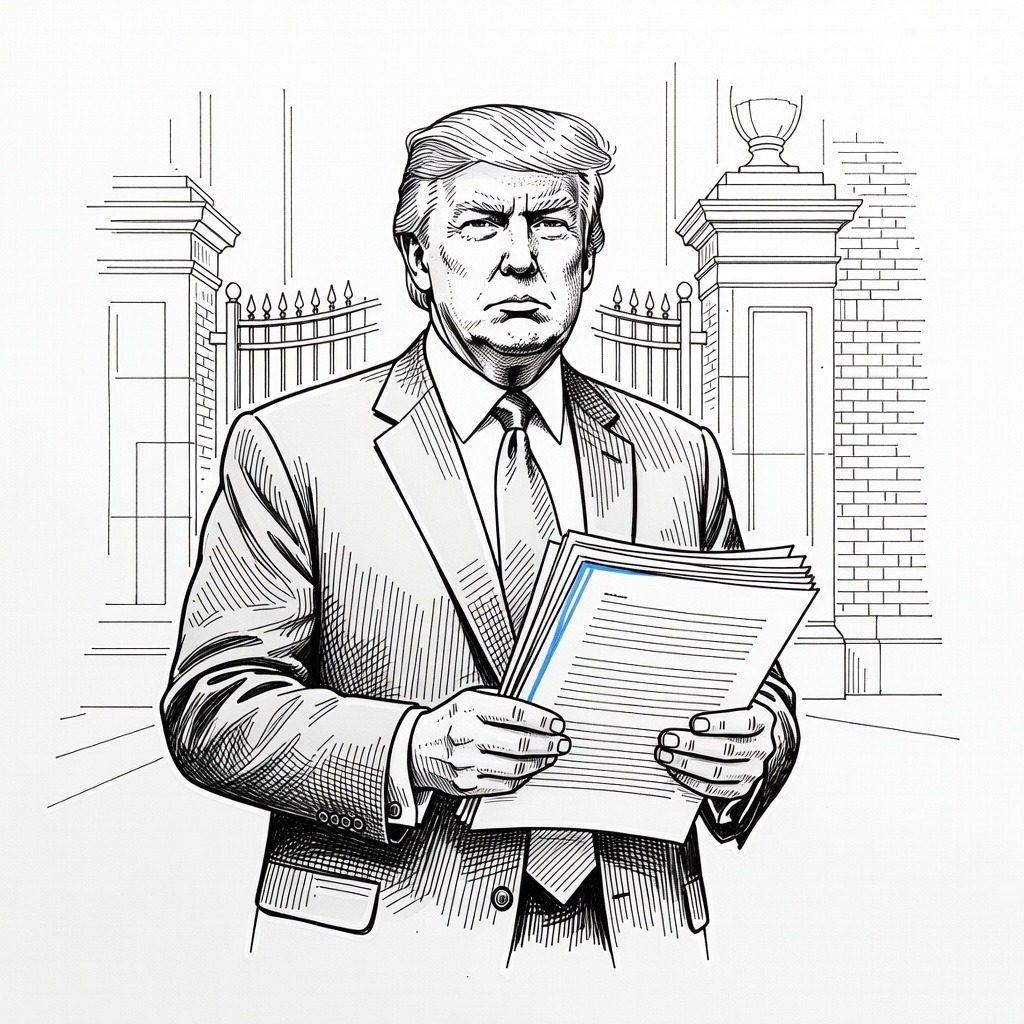
• Weaponizing Executive Power Values government accountability and views the lawsuit to recover $2.6 billion in HHS grants as a dangerous overreach of federal authority. Interprets the litigation exactly as Harvard’s spokesperson describes it: a retaliatory effort designed to seize ideological control over higher education rather than a genuine defense of marginalized students. Prioritizes the restriction of state power, fearing the executive branch is manipulating civil rights mechanisms to financially punish political adversaries.
• Preserving Institutional Autonomy Champions civil liberties and the independence of academic institutions to manage complex internal cultural conflicts. Points to Harvard’s active anti-discrimination policies, antisemitism training, and promotion of civil dialogue as evidence of responsible self-governance. Regards the administration's accusation of "deliberate indifference" as a blunt political instrument that willfully ignores the university's efforts to balance student safety with academic freedom.
• Chilling Lawful Expression Warns that the escalating campaign of lawsuits, attempted funding freezes, and threats to tax-exempt status sets a severe precedent for government censorship. Believes that holding schools financially liable for the hostile actions of independent student groups post-October 7 will force administrators to aggressively suppress campus protests to protect their endowments. Protects the fundamental civil liberty of free expression against what is perceived as a coercive, top-down mandate.
How it may affect me
As a U.S. reader:
• The resolution of this lawsuit could dictate whether the government can retroactively recover billions of dollars in taxpayer funding, such as health and human services grants, from academic institutions accused of civil rights violations.
• In the short term, the threat of losing federal subsidies or facing scrutiny over tax-exempt status may prompt university administrators nationwide to aggressively restrict student protests and limit campus expression to protect their financial assets.
• Over the long term, the case could establish a binding legal precedent that forces higher education institutions to strictly enforce anti-discrimination policies and prioritize campus order over institutional autonomy in order to receive federal money.