
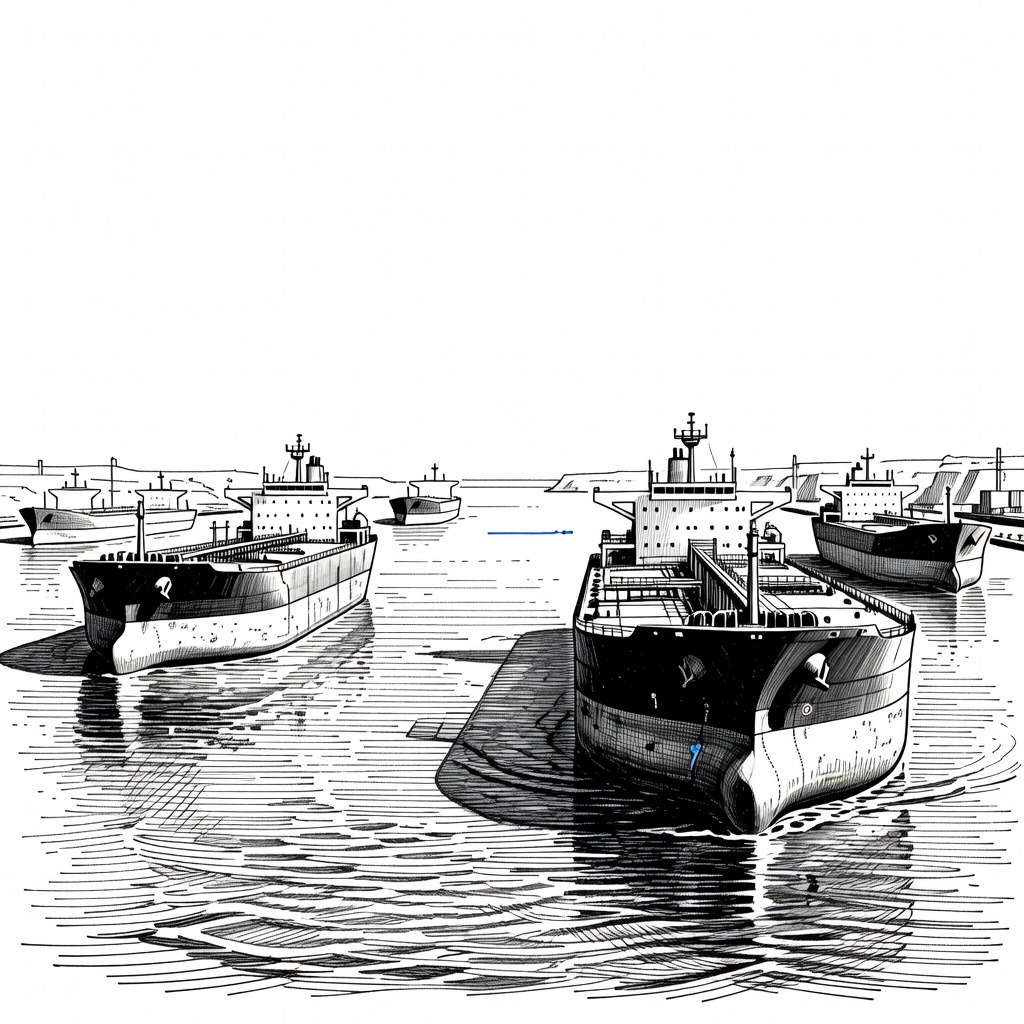
• Cascading Toll of Escalation The closure of the Strait of Hormuz represents a profound failure of diplomacy that immediately penalizes the global working class. With Brent crude surpassing $119 per barrel and half the world's urea fertilizer blocked, the downstream effects guarantee skyrocketing food and energy prices for the most vulnerable populations. This framework views military intervention as inherently destructive, arguing that kinetic solutions routinely create humanitarian and economic crises far worse than the original geopolitical dispute.
• Fragility of Militarized Supply The Iranian missile strike on Qatar's Ras Laffan facility—wiping out 27 percent of the global helium supply—highlights the catastrophic risk of fueling localized conflicts in highly volatile, resource-dense regions. The sudden threat to critical aerospace and semiconductor manufacturing proves that aggressive military posturing cannot secure deeply interconnected global supply chains. A cooperative, de-escalatory international framework is viewed as the only sustainable method to protect vital infrastructure and prevent global market collapse.
• Misallocation of National Wealth Attaching a massive $200 billion supplemental defense package to a comparatively meager $15 billion in domestic farmer assistance reveals deeply flawed institutional priorities. Funneling exorbitant capital into the military-industrial complex prolongs the conflict while offering only a financial band-aid to the domestic agricultural sector facing impending crop yield threats. The focus remains on urgent diplomatic de-escalation to organically restore shipping lanes rather than subsidizing endless warfare at the expense of domestic stability.
How it may affect me
As a U.S. reader:
• In the short term, you will likely face higher costs for gasoline and everyday shipped goods due to disrupted global oil supplies, with economists warning of potential layoffs if the conflict and resulting inflation persist long term.
• You can expect an increase in grocery prices in the future, as blocked global fertilizer shipments threaten upcoming crop yields and domestic agricultural output.
• The availability and cost of electronics may be negatively impacted, as severe global helium shortages directly threaten semiconductor manufacturing and aerospace industries.
• Federal tax dollars are being heavily redirected to address the crisis, with lawmakers proposing 215 billion dollars in combined new spending for military defense measures and domestic farmer assistance.