
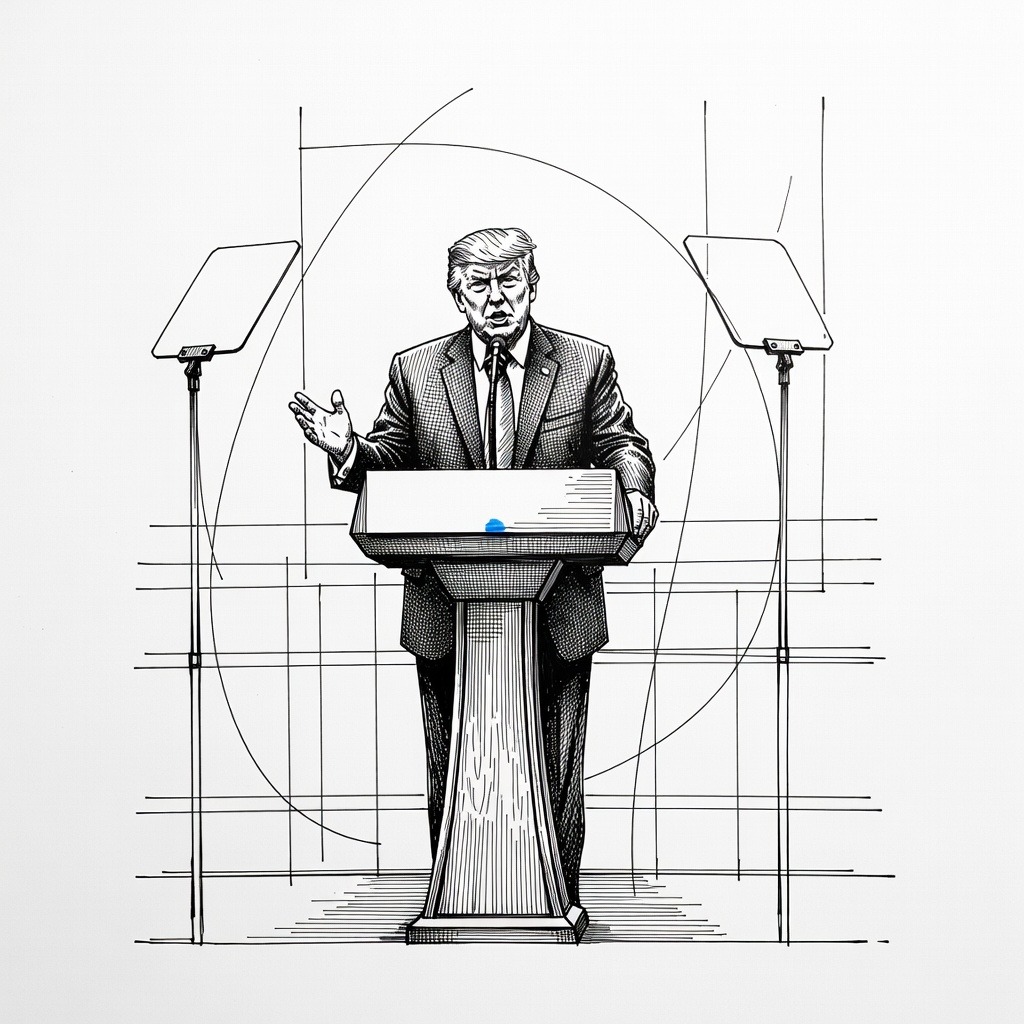
• Escalation Triggers Cascading Ruin Military aggression predictably multiplies collateral damage across interconnected global systems. The initial Israeli strikes on Iranian gas fields directly catalyzed retaliatory attacks that wiped out 17 percent of Qatar's LNG capacity and choked the Strait of Hormuz. Relying on armed force rather than diplomatic de-escalation transforms localized disputes into severe global crises, driving Dubai crude past $166 a barrel and crippling international supply chains.
• Restraint Halts Systemic Collapse Diplomatic concessions and military restraint serve as the only functional mechanisms to stabilize deteriorating global conditions. Netanyahu's commitment to stop targeting Iranian energy facilities and Trump's refusal to deploy ground troops represent vital, pragmatic retreats from the brink of total war. Acknowledging the destructive limits of military intervention is viewed as an essential pivot to restore maritime trade and prevent further devastation of vital global infrastructure.
• Civilians Absorb Geopolitical Costs Aggressive foreign posturing acts as a heavily regressive tax on ordinary citizens. The resulting supply chain paralysis has renewed global inflation fears, forcing major central banks—including the Fed, ECB, BOE, and BOJ—to freeze interest rates and indirectly pushing U.S. mortgage rates to a three-month high. Prolonged brinkmanship structurally transfers the financial burden of war to the public through prohibitive housing costs, expensive energy, and disrupted access to international goods.
How it may affect me
As a U.S. reader:
• Short-term energy and gasoline costs are expected to increase because domestic and global crude oil prices have surged above $100 per barrel following transit disruptions in the Middle East.
• Borrowing costs for housing are rising, with U.S. mortgage rates hitting a three-month high and the Federal Reserve holding benchmark interest rates steady in response to renewed inflation fears.
• The price of imported consumer goods, particularly electronics, may increase due to reduced global cargo capacity and higher logistics costs as international air freight carriers bypass Middle Eastern airspace.
• Personal investments and retirement accounts tied to major U.S. stock indexes or precious metals may experience short-term volatility, though markets are currently showing signs of stabilization.
• There is no immediate expectation of U.S. military personnel engaging in direct ground combat, as the president has explicitly ruled out deploying ground troops to the region.