
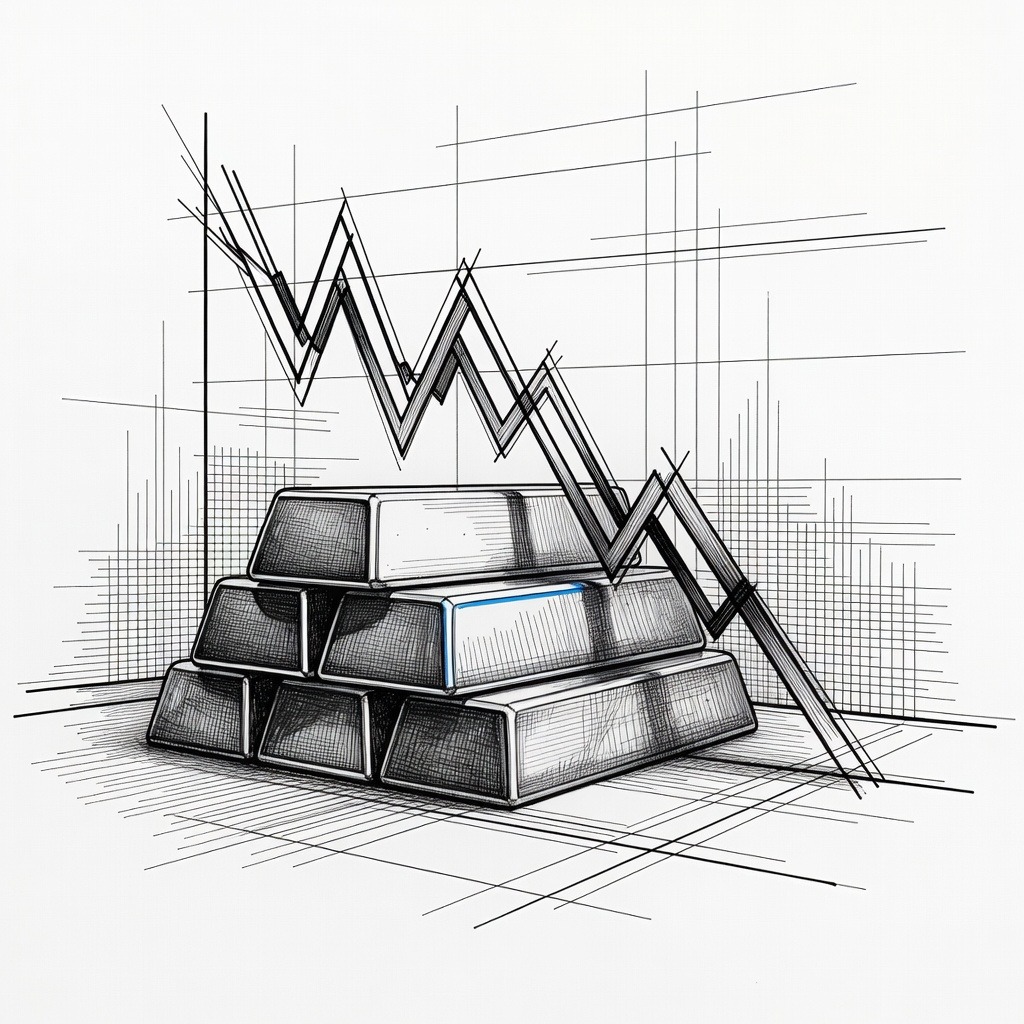
• Exposing Destructive Financial Speculation Treating the collapse from a late January 2026 peak of $5,589 to $4,600 as a symptom of unchecked financialization, this perspective critiques the outsized influence of leveraged funds. The fact that institutional investors are hastily liquidating safe-haven assets to cover higher borrowing costs reveals how speculative gambling destabilizes foundational commodity markets. This volatility ultimately harms smaller retail investors who lack the capital fluidity to navigate violent market swings engineered by highly leveraged actors.
• Highlighting Systemic Supply Vulnerabilities The physical constraints disrupting the gold market underscore the fragility of complex global trade networks that fail ordinary consumers. Closed airspace and blocked shipping lanes are preventing the actual transmission of physical goods, proving that financialized market valuations are frequently divorced from material reality. Elevated inflation and rigid interest rates compound this crisis, ensuring everyday citizens bear the brunt of geopolitical gridlock while institutional capital simply rotates its assets.
• Unmasking Elite Institutional Hedging Central banks deliberately increasing their gold reserves to reduce reliance on the U.S. dollar is viewed as an act of institutional self-preservation. While working-class citizens suffer the eroding purchasing power caused by elevated inflation, sovereign entities are quietly hoarding physical safe-havens to shield themselves from fiat currency devaluation. This exposes a structural inequity in the financial system, where the same central banks dictating zero-percent or steady monetary policy are actively bracing for the long-term instability of their own currencies.
How it may affect me
As a U.S. reader:
• Retail investors holding precious metals may experience short-term declines in their portfolio values as institutional funds rapidly liquidate assets and increase market volatility.
• Everyday borrowing costs for loans and credit are likely to remain elevated in the short term, as the Federal Reserve is holding interest rates steady to combat persistent inflation.
• The strengthening U.S. dollar could temporarily lower the cost of international purchases, even as long-term inflation continues to challenge domestic purchasing power.
• Ongoing disruptions to physical trade networks, such as closed airspace and blocked shipping lanes, reflect broader supply chain fragilities that may affect the general availability and delivery of physical goods.