
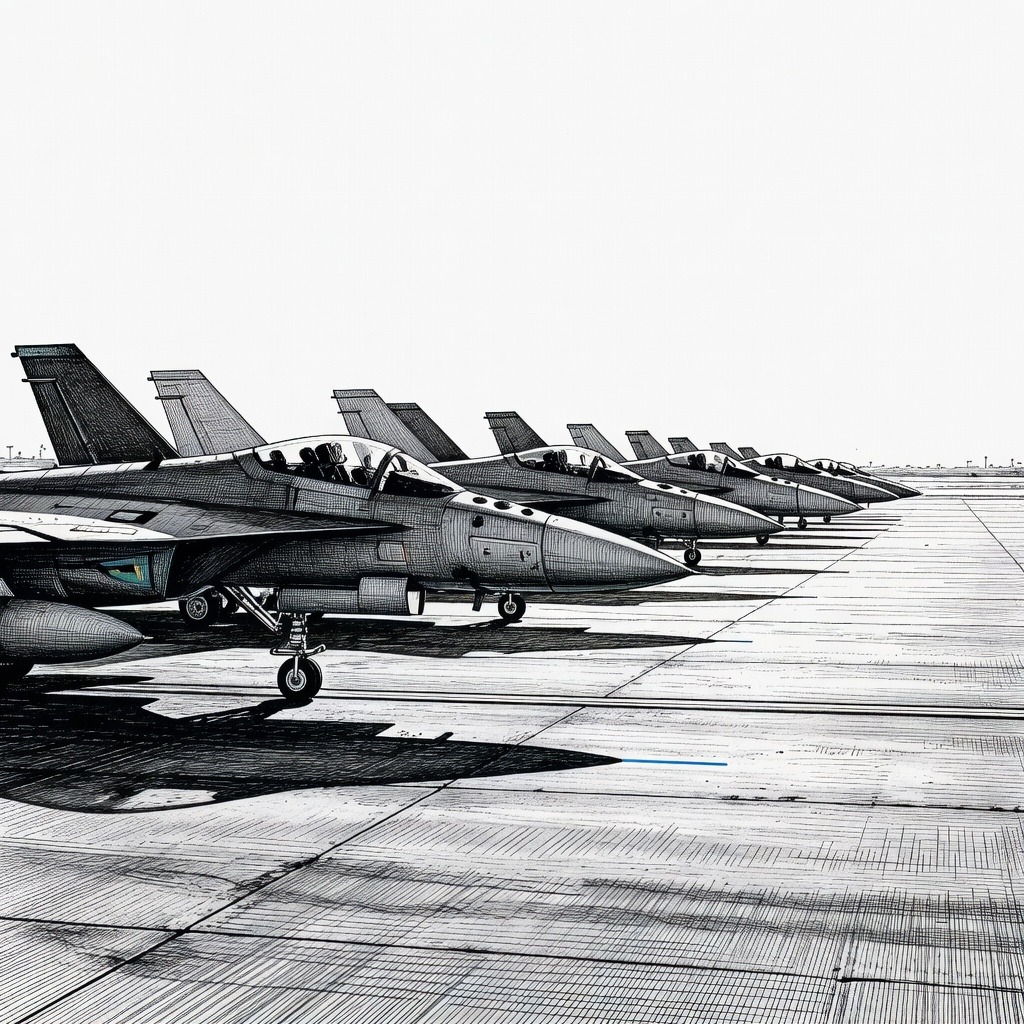
• Gamble on Endless Escalation Unchecked military spending fundamentally undermines domestic priorities while locking the nation into perpetual warfare. The administration’s staggering $200 billion congressional funding request signals a limitless financial commitment to a conflict that has already destroyed over 7,000 targets. Authorizing massive new expenditures to continuously bombard Iranian infrastructure reflects a dangerous reliance on brute force over finding viable diplomatic off-ramps.
• Surrender of Strategic Control Allowing allied actions to dictate American military posture strips policymakers of crucial diplomatic leverage and oversight. President Trump’s admission that the U.S. was unaware of the initial Israeli strike on the South Pars gas field exposes a dangerously reactive, uncoordinated regional policy. Promising to obliterate Iranian facilities in retaliation for their strikes on Qatar demonstrates how the U.S. is being dragged into uncontrollable proxy escalations rather than managing de-escalation.
• Catastrophic Economic Blowback Aggressive military posturing inevitably triggers asymmetric economic warfare that directly harms global consumers and destabilizes vulnerable populations. Pushing Brent crude past $111 per barrel and effectively closing the Strait of Hormuz to U.S. and allied shipping illustrates the severe collateral damage of this strike campaign. The failure to secure vital global energy waterways before launching an expanded offensive risks triggering an international economic crisis that far outweighs any tactical military gains.
How it may affect me
As a U.S. reader:
• In the short term, the closure of the Strait of Hormuz and the surge in Brent crude prices past $111 per barrel are likely to directly increase fuel and energy costs for American consumers.
• Over the long term, the administration's anticipated $200 billion funding request to sustain the military campaign represents a massive taxpayer commitment that may divert financial resources away from domestic priorities.
• Ongoing attacks on regional energy facilities and disruptions to global shipping waterways risk triggering broader economic instability and supply chain issues that could impact the cost of goods.