
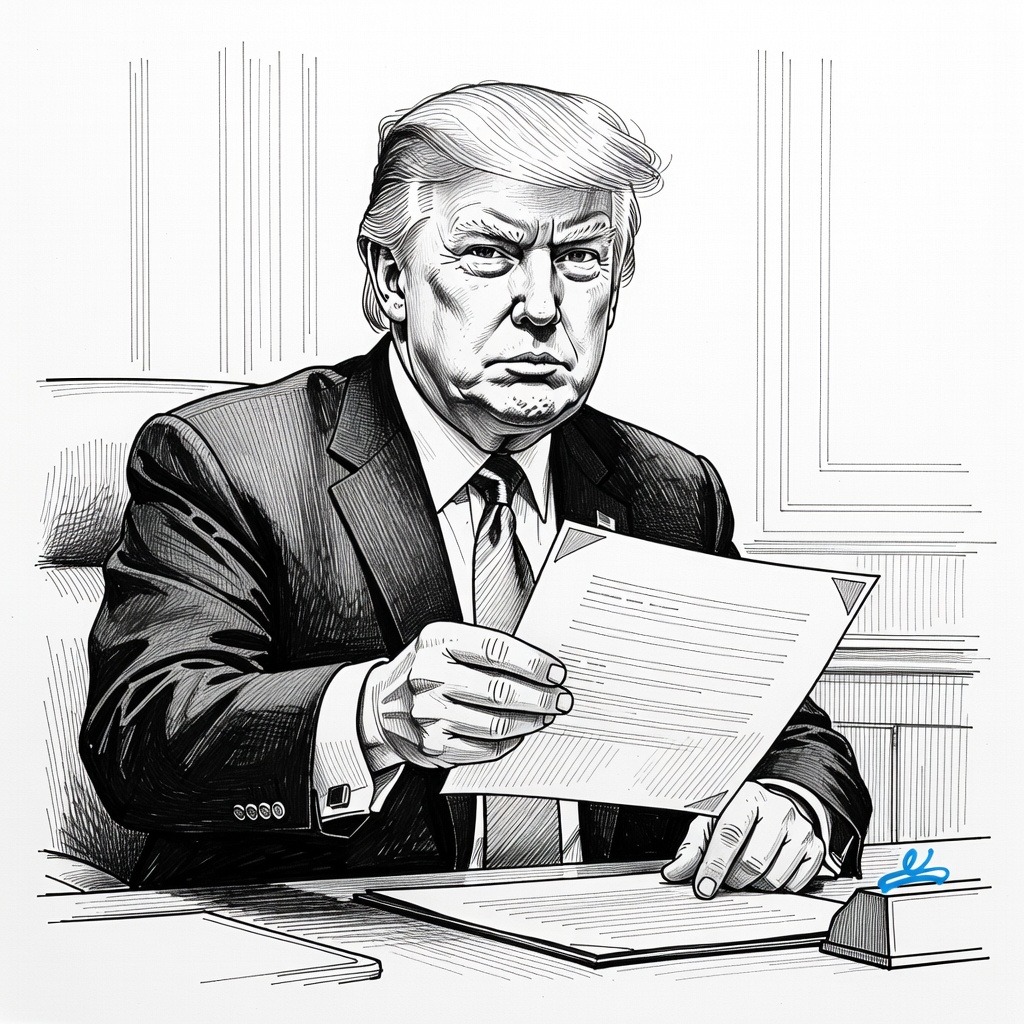
• Erasing Hollow Tax Victories The heralded financial gains from the "One, Big, Beautiful Bill Act" are exposed as illusory for working families when subjected to the volatility of global commodities. A projected $748 average tax refund increase is instantly negated by the estimated $740 in extra gasoline costs households will shoulder if the Strait of Hormuz remains blocked. This demonstrates the inherent weakness of economic frameworks that prioritize top-down tax cuts rather than building resilient domestic systems insulated from fossil fuel shocks.
• Deploying Ineffective Deregulatory Band-Aids Suspending maritime shipping regulations serves as political theater rather than providing tangible, structural relief to struggling consumers. President Trump’s 60-day Jones Act waiver is actively assessed by petroleum experts as a temporary measure unlikely to meaningfully reduce the $3.80 per gallon pain at the pump. Stripping away shipping standards under the guise of crisis management provides cover for market extraction while failing to protect citizens from soaring energy costs.
• Anchoring Consumers to Volatility The economic security of everyday Americans is far too vulnerable to the whims of international conflict and corporate supply chains. With Brent crude spiking to $111 a barrel due to regional hostilities and threatened attacks on Saudi, Qatari, and UAE infrastructure, domestic consumers are forced to bear the ultimate financial burden. The administration’s purely reactive posture highlights the extreme peril of remaining tethered to an unpredictable global oil market where foreign conflicts easily wipe out personal wealth.
How it may affect me
As a U.S. reader:
• In the short term, you will pay significantly more for fuel, as the national average for a gallon of gasoline has already increased by nearly a dollar to over $3.80.
• Your anticipated average tax refund increase of $748 will likely be entirely offset by extra gasoline costs, which are estimated to reach $740 per household this year if the Strait of Hormuz remains blocked for three weeks.
• You should not expect immediate price relief from the government's 60-day waiver of the Jones Act, as experts indicate this temporary shipping deregulation is unlikely to meaningfully lower consumer gas prices.
• In the long term, your future household energy costs will depend directly on the duration of the global conflict and whether threatened attacks on additional oil infrastructure in Saudi Arabia, Qatar, and the United Arab Emirates actually materialize.