
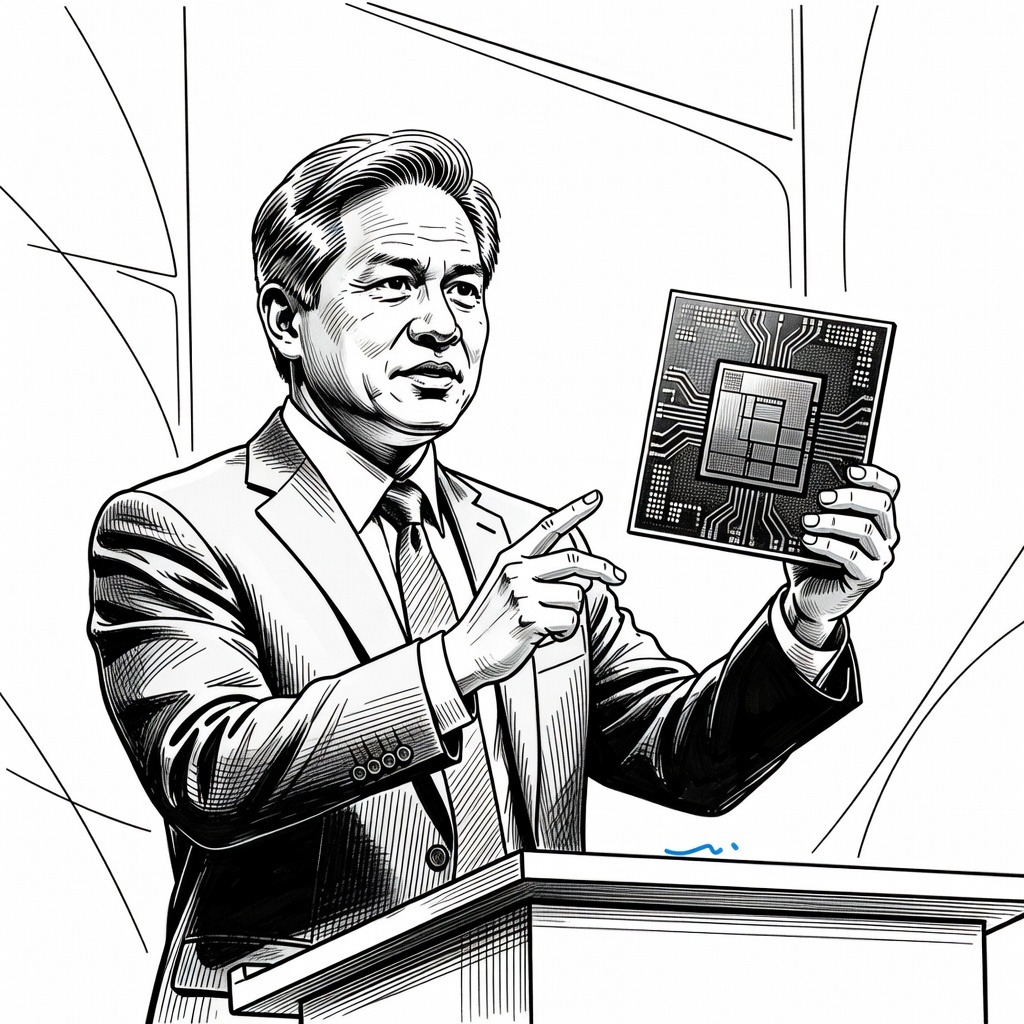
• Illusion of Corporate Windfalls Valuing tangible economic stability over speculative tech dominance, this camp views Nvidia’s projected $1 trillion in AI platform revenue with deep skepticism. The stock’s flat response, hampered by supply chain bottlenecks and industry competition, exposes the fragility of corporate mega-monopolies. Massive executive revenue projections rarely guarantee broad economic health when the physical infrastructure supporting them remains highly vulnerable to global disruptions.
• Wall Street Decouples Reality Prioritizing consumer protection against inflation, the advancement of the S&P 500 alongside Brent crude crossing $101 signals a dangerous economic disconnect. Wall Street continues to rally and consolidate wealth while ordinary consumers are forced to absorb the inflationary pressures of soaring energy costs driven by the ongoing war in Iran. This dynamic illustrates a financial framework where market indexes no longer reflect the material realities or living standards of the working class.
• Subsidizing Institutional Failures Emphasizing accountability and public safety, Boeing’s negative commercial margins are seen as the inevitable cost of unchecked corporate corner-cutting. The December acquisition of Spirit AeroSystems effectively functions as an internal bailout for years of outsourced quality-control failures. Reassuring investors that long-term cash flows remain unaffected while resuming 737 Max deliveries after "minimal rework" highlights a corporate culture that prioritizes financial stabilization over a fundamental reckoning with institutional oversight.
How it may affect me
As a U.S. reader:
• In the short term, you are likely to face increased inflationary pressures and higher everyday energy costs as global crude oil prices exceed 101 dollars per barrel due to overseas conflicts.
• If you travel commercially, Boeing's recent acquisition of a major supplier and the resumption of 737 Max deliveries will directly impact the safety oversight and quality-control standards of the planes you fly on.
• Your personal investments tied to broader market indexes may continue to advance, as financial markets are currently maintaining growth despite supply chain bottlenecks and geopolitical risks.
• Over the long term, you may see shifts in general technology and economic productivity driven by massive corporate investments in artificial intelligence, though these services remain vulnerable to global supply disruptions.