
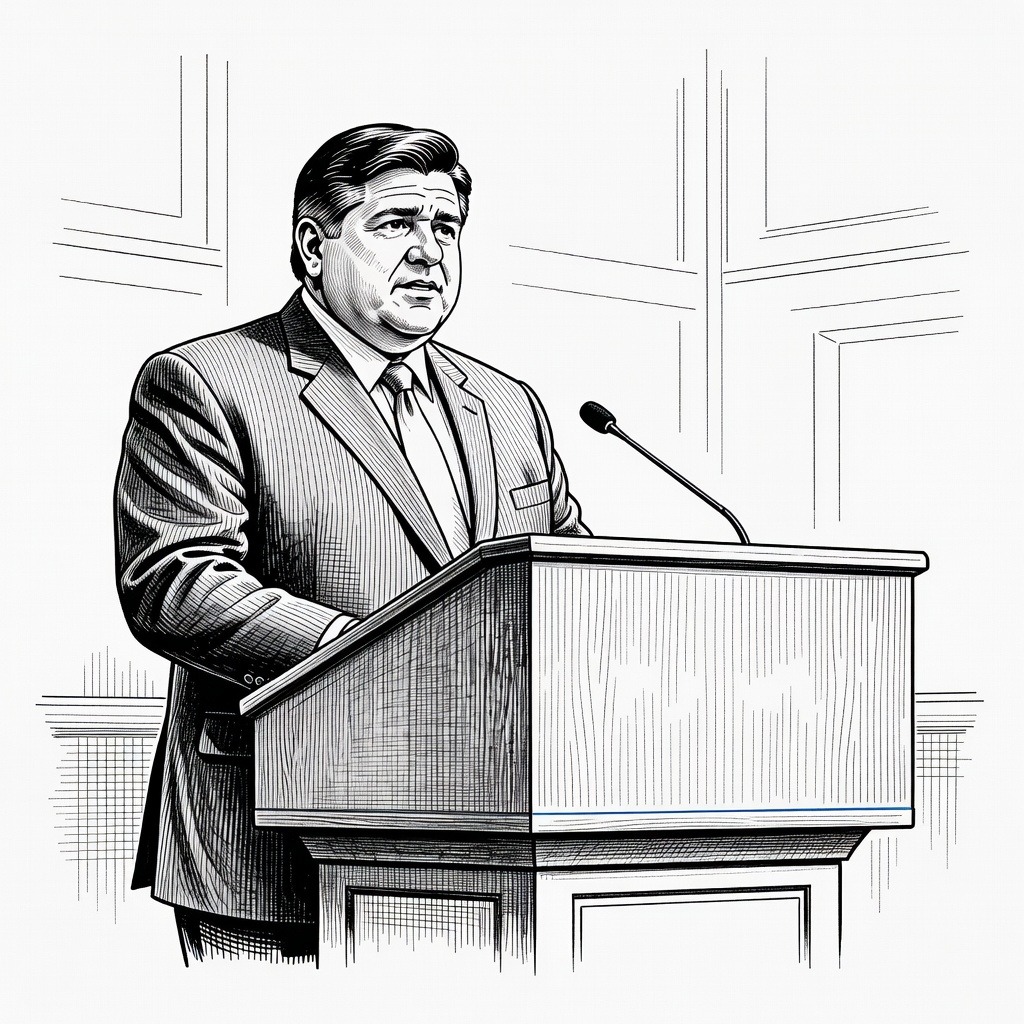
• Shielding State Civil Liberties Governor JB Pritzker's condemnation of the federal immigration crackdown—and the reported shooting of a protesting nurse and teacher's assistant—represents a necessary defense of constitutional rights against militarized state violence. For this camp, the federal government withholding healthcare and food assistance is viewed as punitive extortion targeting the state's most vulnerable residents. True government accountability requires local leaders to act as a firm bulwark against authoritarian federal overreach.
• Defeating Extractive Campaign Finance State Representative La Shawn Ford's victory in the 7th Congressional District is celebrated as a triumph of community representation over monied interests. By overcoming millions in outside PAC spending to succeed Danny Davis with his endorsement, this outcome validates the belief that grassroots momentum can defeat institutional financial advantages. Protecting the democratic process from corporate or out-of-state extraction remains a central priority for ensuring equitable governance.
• Securing Federal Progressive Accountability Advancing Lieutenant Governor Juliana Stratton to replace retiring Senator Dick Durbin signals a commitment to maintaining social progress at the highest federal level. By selecting Stratton from a crowded field that included Raja Krishnamoorthi and Robin Kelly, this camp prioritizes elevating leaders with a mandate to challenge the institutional status quo. The long-term imperative is placing advocates in the Senate who will actively protect marginalized groups from punitive or regressive federal policies.
How it may affect me
As a U.S. reader:
• In the short term, residents relying on social safety nets may experience disruptions to their health care and food assistance due to the federal government reportedly withholding these funds amidst disputes with state leadership.
• Ongoing conflicts between state officials and the federal government over immigration enforcement present immediate public safety and civil liberty concerns, highlighted by allegations that deployed federal troops shot civilians during protests in Chicago.
• In the long term, the outcome of the United States Senate race to replace retiring Senator Dick Durbin will impact the legislative balance of power in Washington, shaping future federal policies regarding national sovereignty, social protections, and economic stability.
• The gubernatorial race will determine the state's economic and fiscal direction in the long term, potentially affecting residents' day-to-day cost of living based on whether the administration prioritizes continued progressive spending or adopts stricter fiscal discipline to combat rising costs.
• Future campaign finance strategies across the country may shift in the long term, as the success of a congressional candidate overcoming millions in outside political action committee spending validates the viability of grassroots momentum against heavily funded opposition.