
• Catalyzing Tit-for-Tat Escalation Prioritizing diplomatic de-escalation, this framework views the deployment of 5,000-pound deep penetrator munitions as a reckless provocation rather than a defensive necessity. The assassination of high-ranking leaders like Ali Larijani and Esmaeil Khatib fundamentally erodes diplomatic off-ramps and guarantees symmetrical retaliation. Iran's immediate launch of missiles and drones, alongside strikes nearing an Australian airbase in the UAE, validates the fear that aggressive military posturing predictably expands the theater of war.
• Human Toll Overrides Strategy Focusing on the indiscriminate nature of kinetic warfare, this perspective rejects the normalization of collateral damage inherent in military operations. The deaths of at least twelve people in central Beirut and two individuals from missile debris near Tel Aviv illustrate the inevitable humanitarian cost of an aggressive foreign policy. Airstrikes in densely populated urban centers violate the core imperative to protect vulnerable civilian populations, demonstrating how militarized "solutions" ultimately generate compounding human suffering.
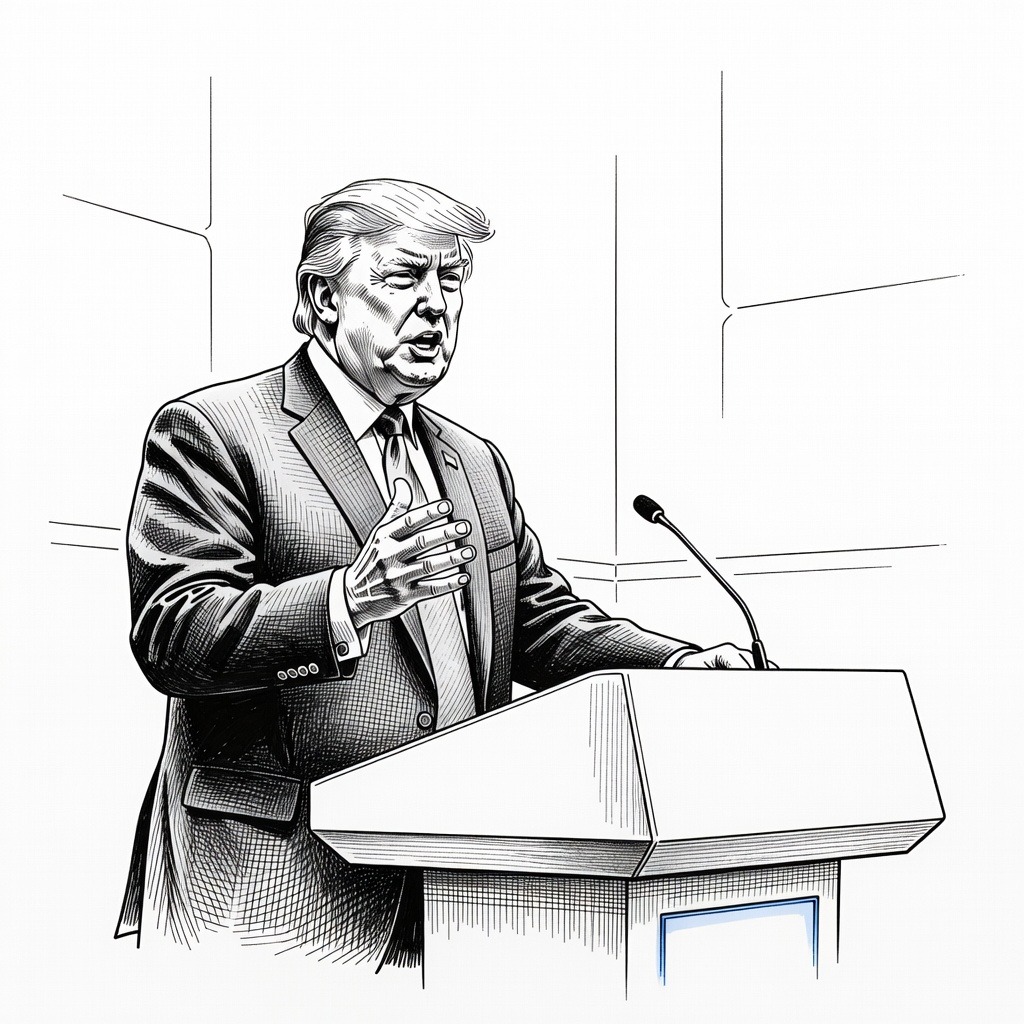
• Triggering Global Economic Shocks Highlighting the interconnectivity of international systems, this view argues that military adventurism directly destabilizes the global economy to the detriment of everyday citizens. By escalating operations near the Strait of Hormuz, the U.S. and Israel have severely disrupted a waterway responsible for one-fifth of global crude oil, causing prices to surge by over 40 percent to exceed $100 per barrel. President Trump's willingness to conduct unilateral operations to secure the strait is seen as an isolationist gamble that risks deeper global friction while heavily burdening civilian populations with skyrocketing energy costs.
How it may affect me
As a U.S. reader:
• In the short term, the public will likely face significantly higher energy costs due to a 40 percent surge in global crude oil prices, which have exceeded $100 per barrel following disruptions in the Strait of Hormuz.
• Over the long term, continued threats to international shipping in this critical waterway could lead to broader global economic shocks and market instability that financially burden everyday citizens.
• The public may see sustained or expanded U.S. military involvement, as American forces are actively conducting direct strikes and the President has stated readiness to deploy forces unilaterally to secure regional oil tankers.