
• Leverage for Systemic Accountability Prioritizing civil liberties and protection from unchecked state force drives the strategy to prolong the DHS funding shutdown. The January Minneapolis shooting, which left two people dead at the hands of federal agents, serves as a necessary catalyst for demanding structural guardrails, specifically mandated training and a ban on masked field officers. Funding the department without these prerequisites is viewed as endorsing a dangerous institutional status quo that shields law enforcement from public transparency.
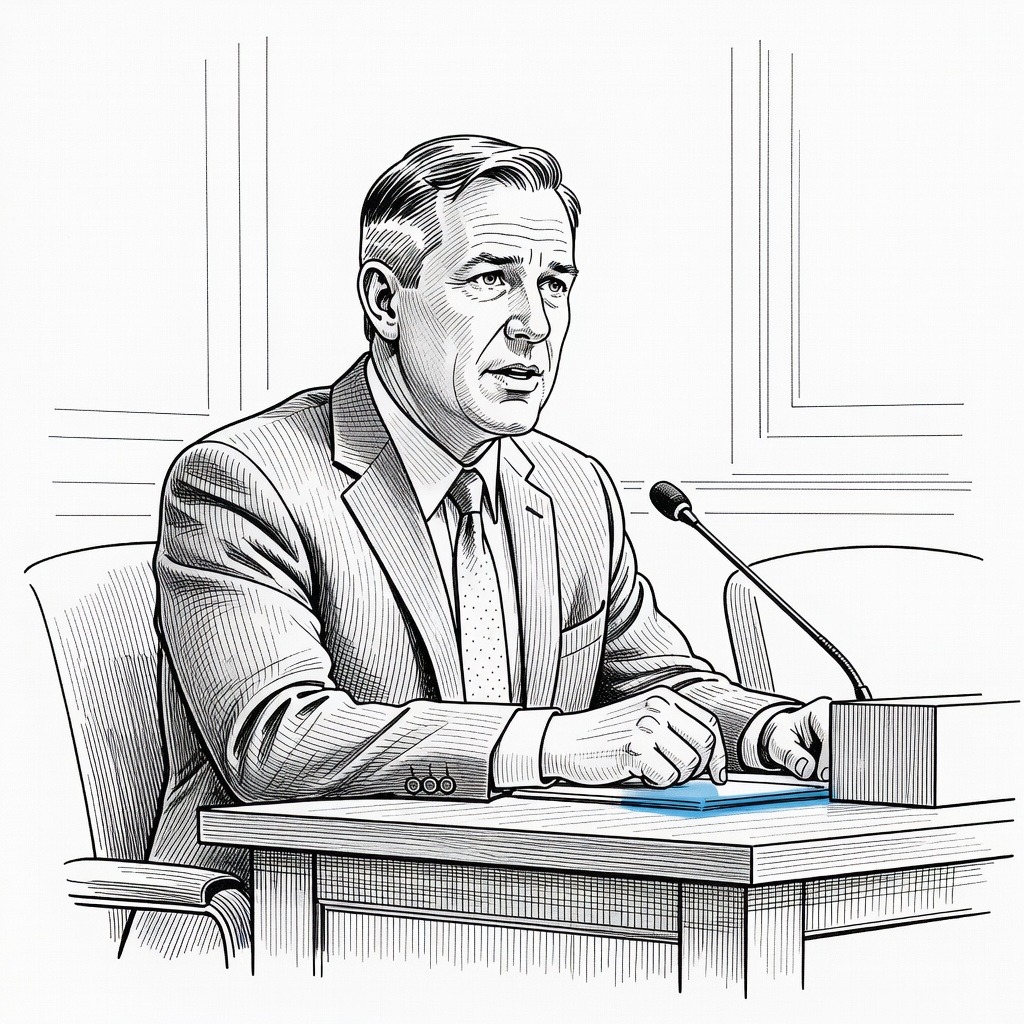
• Shield Against Executive Overreach Opposition to Markwayne Mullin is rooted in his status as a reliable ally to the president's aggressive deportation and enforcement deployment policies. This camp views the mobilization of federal immigration agents not as lawful enforcement, but as a punitive overreach that destabilizes vulnerable communities. Rigorous committee questioning acts as a vital mechanism to expose and challenge the human cost of these executive directives before a national audience.
• Fracturing the Unified Front The projected confirmation of Mullin, aided by crossing-the-aisle support from Democratic Senator John Fetterman, represents a critical failure in maintaining a unified reformist coalition. There is deep concern that treating this as a standard procedural confirmation normalizes aggressive immigration tactics and abandons the legislative leverage needed to secure binding civil rights protections within the DHS operational framework.
How it may affect me
As a U.S. reader:
• In the short term, the ongoing month-long partial shutdown of the Department of Homeland Security may disrupt essential security functions and the operational capacity of frontline law enforcement personnel.
• Long-term immigration enforcement in local communities will likely remain robust and aligned with current executive directives, given the anticipated confirmation of a secretary who supports aggressive deportation policies.
• Future interactions between the public and federal law enforcement could change if the current funding standoff results in demanded operational reforms, such as mandatory accountability training and a ban on masked field officers.
• Vulnerable populations may face continued exposure to federal immigration agent deployments if the department resumes full operations without the civil rights guardrails currently being negotiated by lawmakers.