
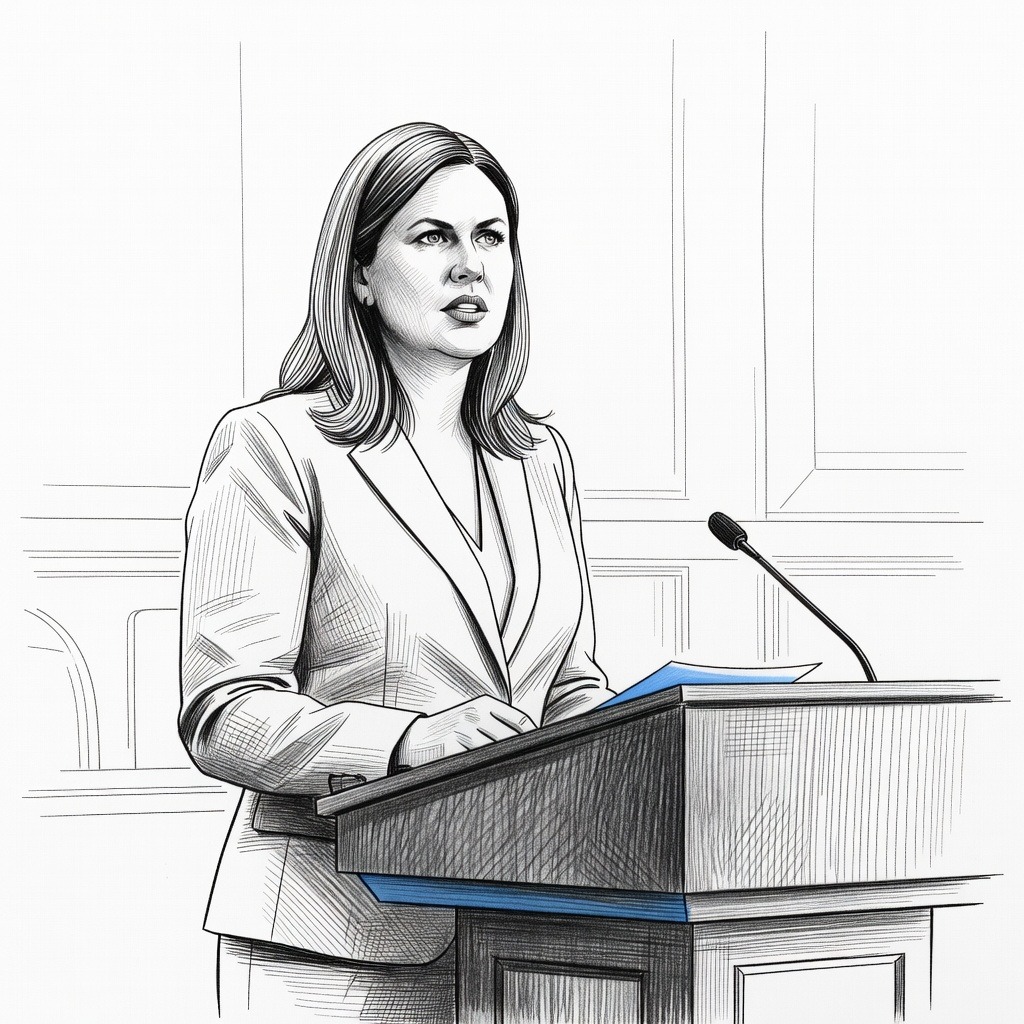
• Shield Against State Coercion Prioritizing civil liberties and the Establishment Clause, this camp views Judge Brooks’s ruling as a vital defense against government overreach. Striking down the 2025 Arkansas mandate prevents the state from leveraging its power to impose specific religious texts on a captive audience of public school students. The ruling reinforces the boundary that government spaces must remain strictly secular to protect vulnerable populations from majoritarian religious coercion.
• Rejecting Historical Revisionism Advocates for institutional neutrality reject the premise that the Ten Commandments merely represent the historical foundation of the United States. They interpret the coordinated legislative efforts in Arkansas, Louisiana, and Texas as a deliberate strategy to dismantle the separation of church and state under the guise of civic heritage. Judge Brooks’s conclusion that no constitutional version of the mandate exists validates the view that these laws are inherently sectarian rather than educational.
• Containment of Ideological Encroachment Despite the localized victory for the seven families in Arkansas, there is deep concern over the broader systemic threat highlighted by the U.S. Circuit Court of Appeals clearing Louisiana's 2024 mandate. This camp sees Governor Sanders’s planned appeal and the existing displays at the University of Arkansas as evidence of a relentless campaign to erode institutional firewalls. They fear a fragmented legal landscape will eventually allow religious doctrine to be fully normalized within state-funded education.
How it may affect me
As a U.S. reader:
• In the short term, public school students and staff in the affected Arkansas districts will not have the Ten Commandments mandated in their classrooms or libraries, maintaining a secular educational environment.
• Families and educators across different states will experience varying classroom policies due to a fragmented legal landscape, with Louisiana schools currently installing these displays while Arkansas and parts of Texas face federal injunctions.
• Local school administrators and public university officials face immediate policy uncertainty regarding whether to remove or keep recently erected displays, as they navigate conflicting directives from state governors and legal advocacy groups.
• In the long term, planned appeals and conflicting decisions among federal courts will likely force a broader legal resolution, ultimately determining whether state governments nationwide can require religious and historical texts in public schools.