
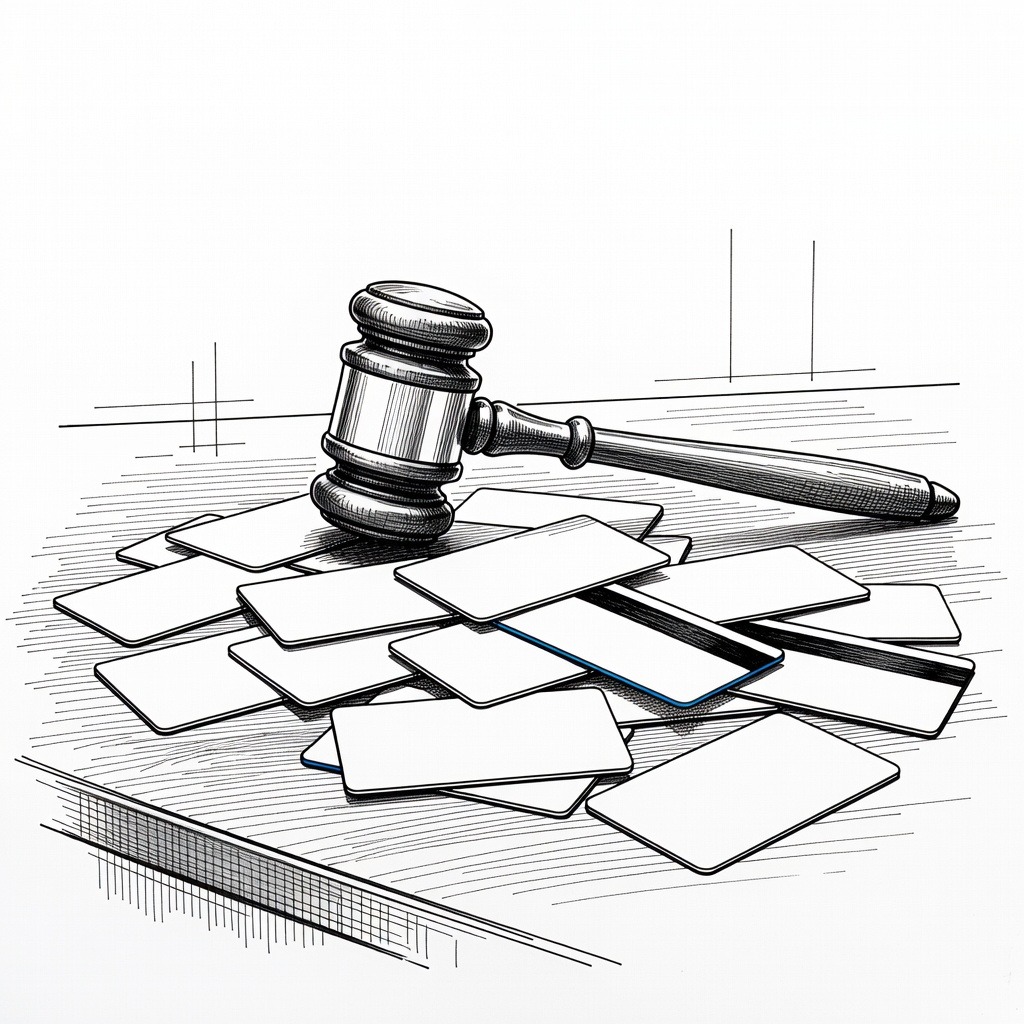
• Engine of Systemic Extraction The staggering $1.28 trillion consumer debt burden reached in March 2026 represents a crisis of systemic extraction rather than individual irresponsibility. With inflation driving up living costs, citizens are forced to finance basic survival on credit, only to be trapped by average interest rates exceeding 21 percent. This dynamic functions as an upward wealth transfer, penalizing financial vulnerability and mathematically guaranteeing that distressed borrowers cannot escape their compounding balances.
• Weaponizing the Legal System Aggressive collection tactics like surprise bank levies and wage garnishments serve as punitive institutional tools that accelerate poverty. Legally permitting creditors to seize up to 25 percent of a borrower's disposable income or freeze essential liquid assets actively strips vulnerable citizens of their ability to maintain housing or buy food. Utilizing civil court judgments to enforce these mechanisms prioritizes corporate balance sheets over basic human stability and broad social equity.
• Defending Vital Regulatory Lifeboats Frameworks like the Fair Debt Collection Practices Act and agencies like the Consumer Financial Protection Bureau act as vital barriers against unchecked corporate predation. The heavy reliance on Chapter 7 or 13 bankruptcy to secure an automatic stay proves that consumers require robust federal shields to survive relentless debt collection. Protecting baseline survival funds, such as Social Security and veterans' benefits, remains an absolute moral imperative against total financial disenfranchisement.
How it may affect me
As a U.S. reader:
• Consumers carrying credit card balances to cover inflation-driven living costs face immediate financial strain as average interest rates exceeding 21 percent rapidly compound their debt.
• Individuals who default on payments risk sudden short-term legal enforcement, including unannounced bank levies that freeze liquid assets and court orders that garnish up to 25 percent of disposable paycheck income.
• In the long term, widespread delinquencies may lead to universally higher borrowing costs or restricted credit access for all consumers if lenders adjust their practices to offset institutional losses from unpaid loans.
• Distressed borrowers can utilize federal legal safeguards to manage their financial stability, such as shielding specific income like Social Security from seizure or filing for bankruptcy to instantly halt aggressive collection efforts.