
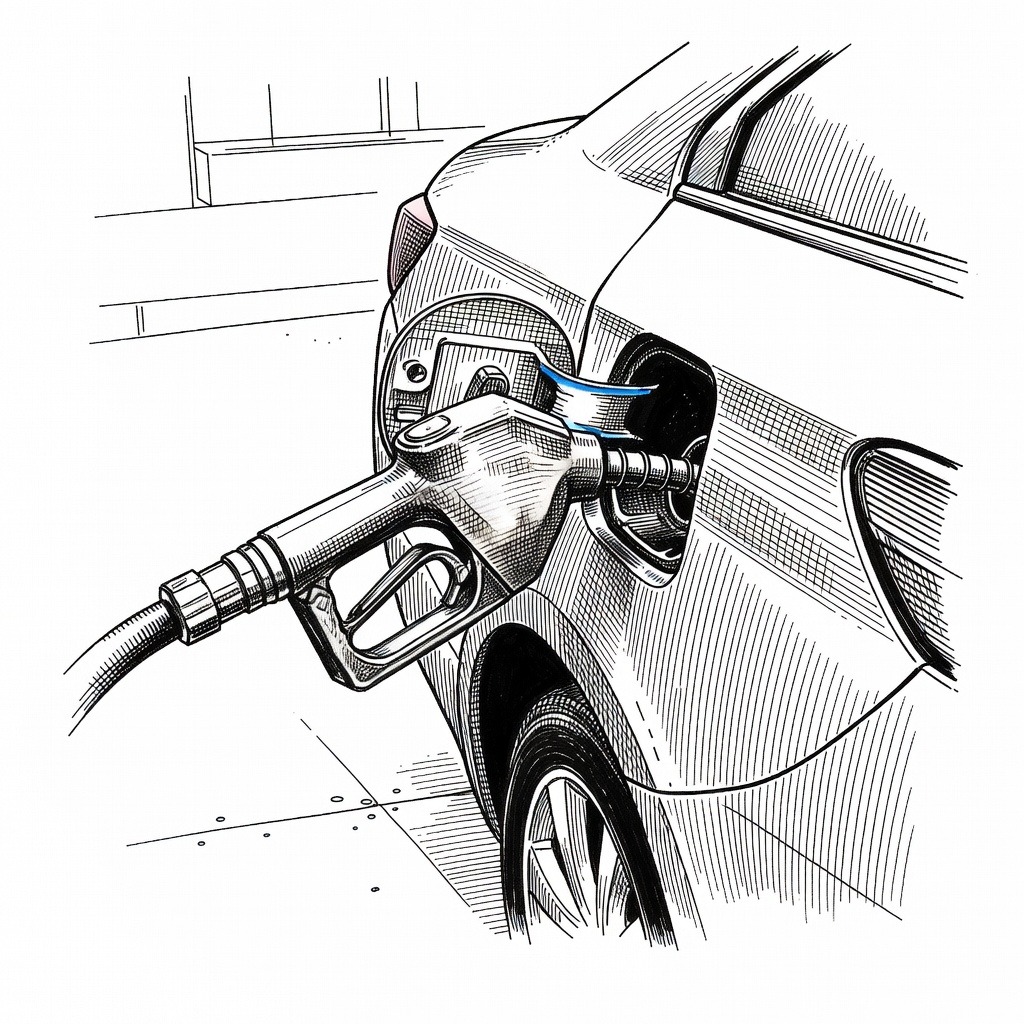
• Expose Structural Supply Vulnerabilities This camp emphasizes the disconnect between the U.S. producing 13 million barrels of crude daily and domestic refineries remaining reliant on imported heavy crude. For these advocates, this infrastructure mismatch highlights a systemic corporate failure where profit-driven market configurations tether American consumers to volatile foreign conflicts. The resulting $3.79 gasoline and $5.04 diesel prices are viewed as the inevitable, extractive tax of long-term fossil fuel dependency.
• Reject Consumer Burden-Shifting Prioritizing social equity, this perspective criticizes institutional responses that place the onus of macroeconomic shocks on everyday citizens. Recommending behavioral adjustments—such as checking tire pressure or slowing highway speeds—is seen as an inadequate, individual-level band-aid for systemic inflation. This camp views the broader economic threats, such as 124 percent domestic airfare spikes, as a failure by policymakers to insulate the working class from global market volatility.
• Resist Military Escalation Gambles Viewing the conflict through a diplomatic and humanitarian lens, this camp warns against President Trump’s proposition to deploy military escorts in the Strait of Hormuz. The European Union's rejection of this operation signals a lack of international consensus, making unilateral American military intervention a dangerous provocation. Escalating military involvement to protect 20 percent of global oil risks deepening the very regional war that initially constrained supplies, potentially sparking wider devastation.
How it may affect me
As a U.S. reader:
• You will experience immediate out-of-pocket increases for daily commuting, with national gasoline prices currently reaching $3.79 per gallon.
• Your short-term domestic travel plans will likely be significantly more expensive, as rising jet fuel costs have pushed late March airfares up by as much as 124 percent.
• You can anticipate broader, long-term inflation on everyday consumer goods, as diesel prices exceeding $5 per gallon will increase commercial freight and transportation expenses.
• In the short term, you are encouraged by government agencies to adjust daily driving habits, such as lowering highway speeds and maintaining tire pressure, to help offset personal expenses while domestic prices remain tied to global market fluctuations.
• Your future fuel costs will depend on potential U.S. military intervention in the Strait of Hormuz, which could either successfully stabilize international shipping routes or escalate the regional war and further restrict global oil supplies.