
• Barrier to Civic Participation Prioritizing universal democratic access, the Reformer views new photo ID and proof of citizenship mandates not as safeguards, but as deliberate institutional hurdles. They assess that the SAVE Act’s requirements disproportionately burden vulnerable populations under the guise of security. By enforcing these strict conditions, they argue the state is weaponizing bureaucracy to intentionally shrink the electorate.
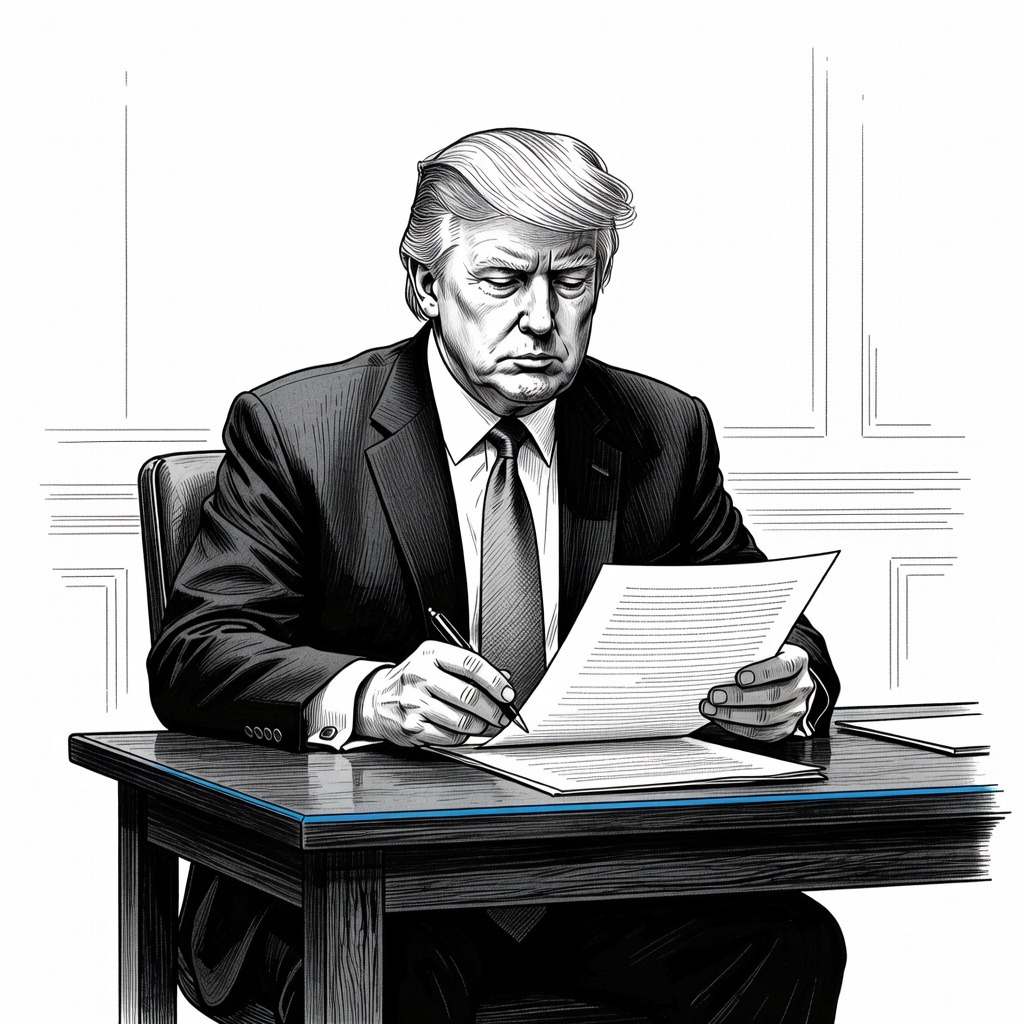
• Weaponization of Legislative Process Valuing functional, accountable governance, this camp perceives the hardline tactics used to advance the bill as an abuse of executive and legislative power. The blanket veto threats from Donald Trump and the hostage-taking of unrelated Senate bills by House conservatives are seen as coercive, anti-democratic maneuvers. They interpret this as subverting regular Senate procedures—where a simple majority is already required just to begin debate—to force compliance on a deeply partisan agenda.
• Manufactured Crisis of Integrity Rooted in the protection of civil liberties, the Left views Republican accusations of Democratic "fear-mongering" as a projection of their own intent. They warn that the ultimate long-term risk of the SAVE Act is the widespread, improper disenfranchisement of legitimate citizens. From this perspective, the true manipulation of elections comes not from a lack of safeguards, but from structurally stripping voters of their eligibility to secure an electoral advantage for the Right.
How it may affect me
As a U.S. reader:
• In the short term, citizens may see a stall in the passage of unrelated federal legislation, as executive veto threats and congressional blockades are being used to halt other bills until this election package is approved.
• If the legislation is enacted, voters will be required to present specific documentation, namely a photo identification and proof of citizenship, before being permitted to cast a ballot.
• Over the long term, these mandates could alter civic participation, potentially creating bureaucratic hurdles that reduce voter access for vulnerable populations, while simultaneously establishing empirical verification standards intended to maintain public trust in election results.