
• Exploiting Solemn Civic Sacrifice Prioritizing institutional integrity, this view condemns the Never Surrender Inc. PAC's use of a dignified transfer photo as a severe breach of civic norms. Transforming a solemn Dover Air Force Base ceremony into a financial asset is perceived as commodifying the Iran conflict's human cost for private political capital. The foundational priority here is protecting the ethical boundary between the solemn duties of the state and partisan profiteering.
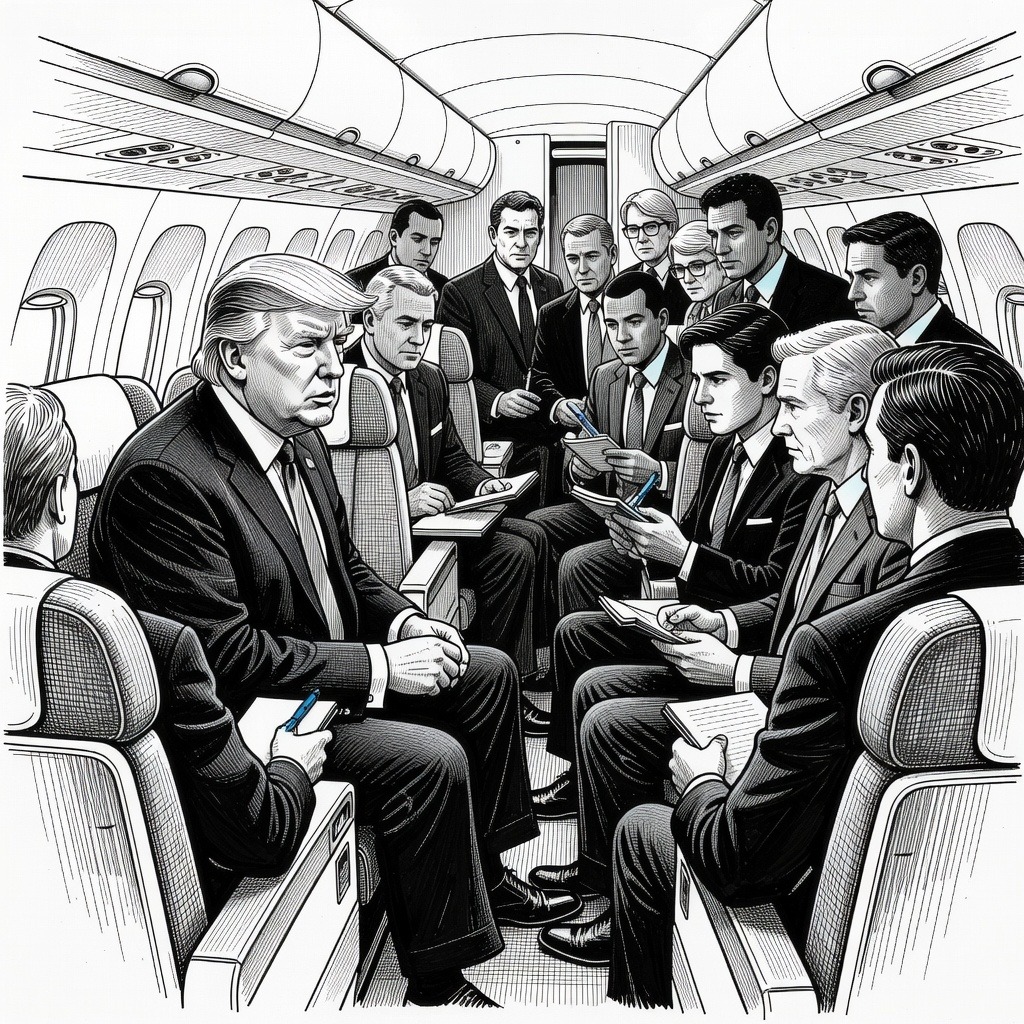
• Erosion of Democratic Oversight Championing government accountability, this camp interprets the March 15 Air Force One press gaggle as a deliberate assault on transparency. Refusing to answer questions about deployed Marines, insulting the journalist, and blacklisting their news organization demonstrates a concerning evasion of civilian oversight during an ongoing conflict. The long-term fear is that normalizing hostility toward the press degrades the institutional checks required to hold the executive branch accountable.
• Gambling with Transactional Intelligence Focused on safeguarding state institutions, there is deep concern over the PAC promising "unfiltered national security updates" to financial backers. Although Daniel Weiner of the Brennan Center clarifies the fundraising effort itself is not overtly illegal, dangling exclusive proximity to intelligence regarding foreign adversaries creates a dangerous pay-to-play optic. The underlying anxiety is that state secrets and internal threat assessments are being treated as transactional commodities rather than protected national assets.
How it may affect me
As a U.S. reader:
• In the short term, citizens will receive restricted information regarding the ongoing deployment of Marines and sailors to the Middle East as the administration prioritizes operational security over media inquiries.
• Over the long term, the executive branch's refusal to answer specific journalistic questions and the blacklisting of certain news organizations may limit civilian oversight and reduce the availability of independent reporting on the ongoing conflict.
• The general public faces immediate exposure to fabricated and artificial intelligence-generated news originating from Iran, which could affect their understanding of international security events.
• Citizens who financially contribute to specific political action committees may gain exclusive access to national security updates about foreign and internal threats, potentially creating unequal public access to government intelligence.
• Long-term maritime security and related economic stability tied to the Strait of Hormuz may be impacted by whether NATO allies comply with the administration's demands to share the military burden in the region.