
• Shield Against Systemic Disenfranchisement Prioritizing civil liberties requires ensuring the fundamental right to vote remains free from artificial bureaucratic hurdles. Mandating passports or certified birth certificates to register structurally disadvantages lower-income, marginalized, and minority populations who face barriers to acquiring these documents. With approximately 21 million Americans lacking easily accessible proof of citizenship and 2.6 million without government photo ID, this legislative push is interpreted as a calculated mechanism for mass voter suppression rather than a legitimate administrative reform.
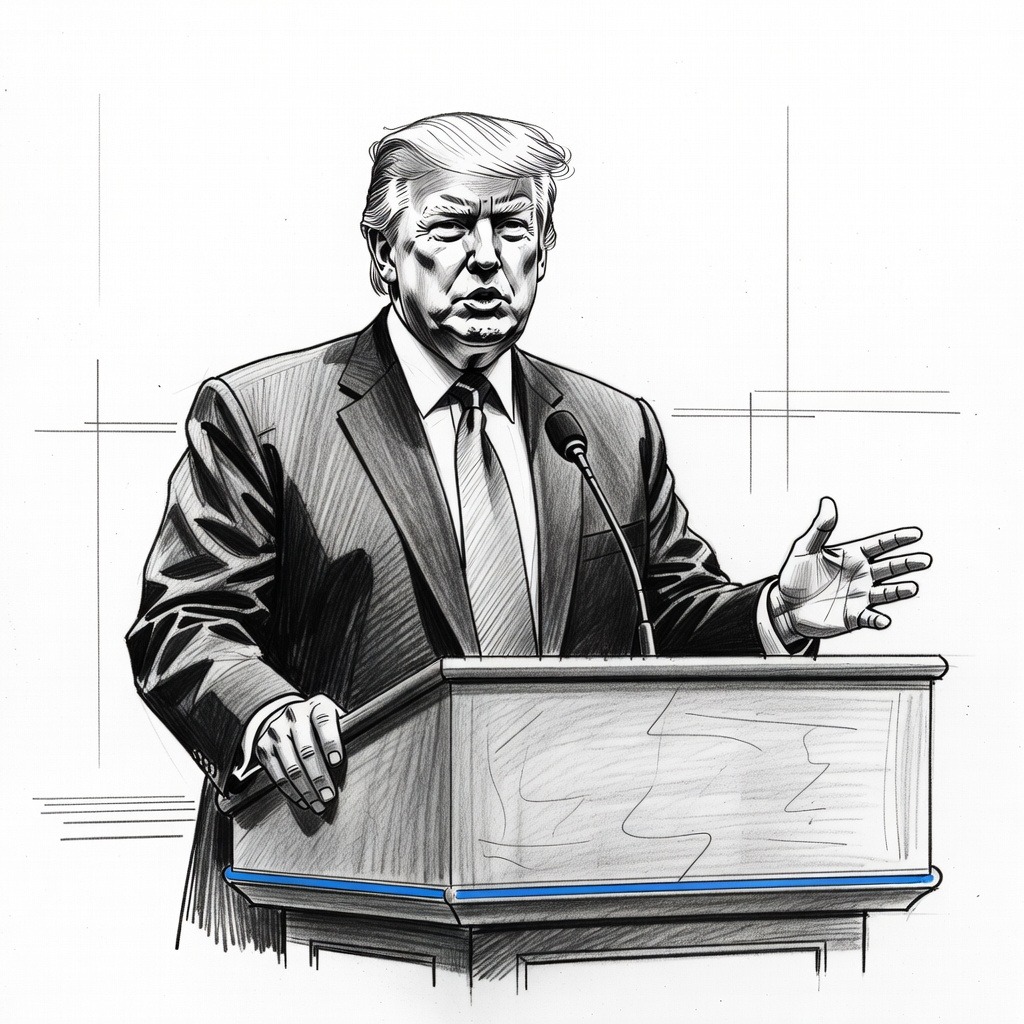
• Resist Improper Electoral Weaponization Protecting democratic institutions necessitates blocking partisan attempts to manipulate voter access and skew electoral outcomes. Senate Minority Leader Chuck Schumer and voting rights advocates view the SAVE America Act as an engineered effort by Donald Trump to improperly influence the upcoming election. Directing states to submit voter lists to the Department of Homeland Security is perceived as weaponizing federal law enforcement to intimidate naturalized citizens and create a chilling effect on minority voter participation.
• Check Unilateral Executive Authority Safeguarding democratic norms means actively challenging executive threats that attempt to bypass legislative consensus. President Trump’s ultimatum to freeze all other legislative business until the bill's passage, combined with his suggestion to mandate ID requirements via executive order, signals a dangerous centralization of power. This side fears that overriding localized election administration through executive fiat or nationalizing elections sets a perilous precedent for authoritarian control over the democratic process.
How it may affect me
As a U.S. reader:
• In the long term, if the bill passes or an executive order is issued, you will need to provide a certified birth certificate or passport to register to vote, along with government photo identification for in-person or mail-in voting.
• An estimated 21 million citizens lacking accessible proof of citizenship and 2.6 million without government photo IDs may experience new administrative hurdles to maintaining their voter eligibility.
• Your voter registration status could become subject to federal review, as the law would require states to send voter lists to the Department of Homeland Security to filter out non-citizens.
• In the short term, you may see a delay in the passage of unrelated federal laws, as the president has threatened to withhold his signature on all other legislation until this voting measure is enacted.