
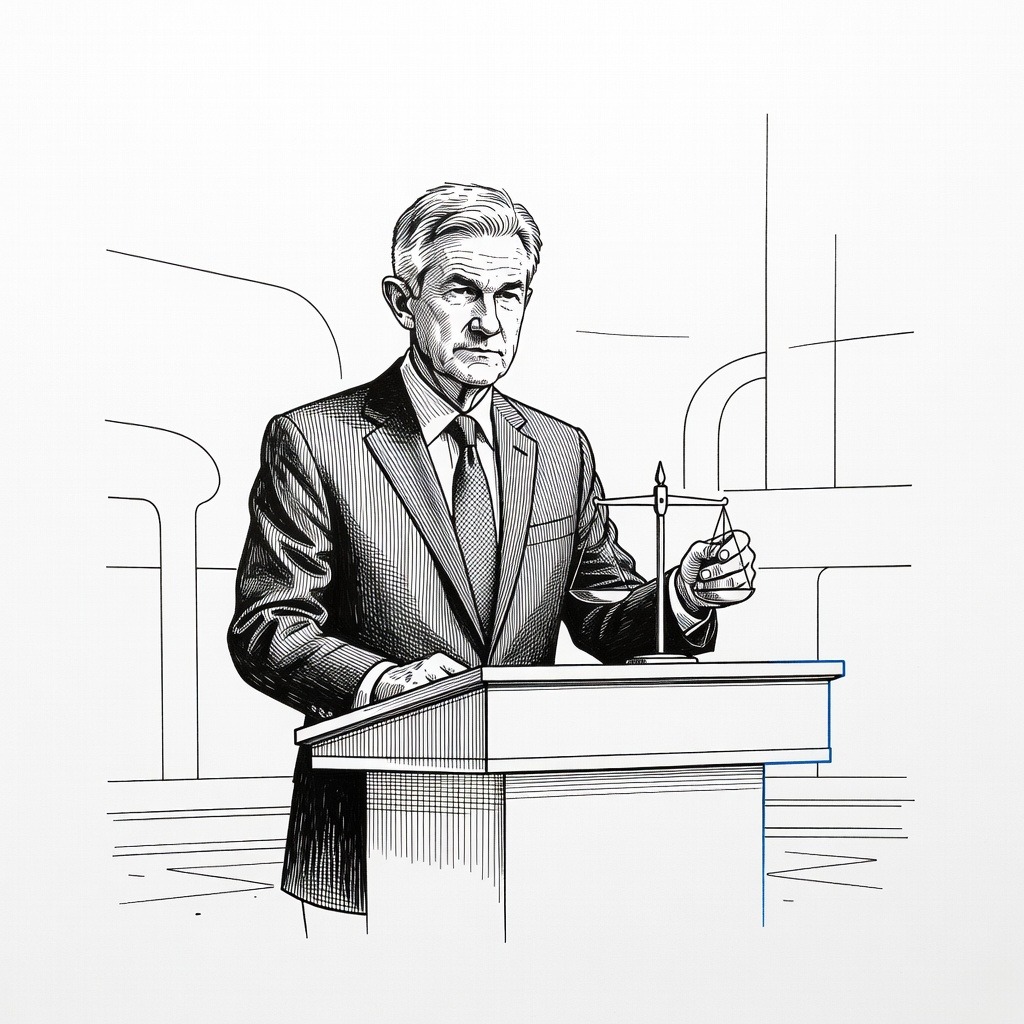
• Shielding The Labor Market Prioritizing broad economic equity requires shifting policy away from restrictive monetary measures that actively destroy working-class livelihoods. The loss of 92,000 U.S. jobs in February signals a severely weakening employment landscape that cannot withstand sustained high interest rates. By holding the benchmark rate steady at the March 18 meeting, the Federal Reserve sacrifices domestic workers under the guise of macroeconomic balancing. This refusal to cut rates transfers the burden of global economic distress directly onto wage earners who depend on a robust job market.
• Misdiagnosing Supply-Side Shocks Addressing the rising cost of living requires acknowledging the actual structural drivers of inflation rather than penalizing everyday consumers. The current spike in transportation, food, and utility prices is tied directly to the ongoing Iran conflict and resulting energy shocks, not an overheated, cash-rich consumer base. Applying blunt monetary instruments like the European Central Bank’s planned July and September rate hikes will do nothing to solve geopolitical oil shortages. It merely compounds the financial strain on households already struggling to afford essential goods.
• Rejecting Institutional Austerity Safeguarding true prosperity means rejecting technocratic optimism that ignores ground-level financial realities and protects institutional wealth over human welfare. European Central Bank President Christine Lagarde’s assertion that the region can "absorb inflation shocks" masks the disproportionate devastation these costs will inflict on lower-income populations. Proceeding with monetary tightening amidst a European sovereign debt sell-off risks triggering a deeper recession that central bankers are personally insulated from. The systemic push for further tightening across global financial institutions prioritizes abstract market benchmarks over the immediate survival of the consumer economy.
How it may affect me
As a U.S. reader:
• In the short term, you can expect higher everyday expenses for transportation, food, and utilities as the ongoing conflict involving Iran continues to drive up global oil and gas prices.
• Your near-term job security or employment prospects may face increased risks, as the Federal Reserve is expected to hold interest rates steady rather than cutting them to stimulate a labor market that recently lost 92,000 jobs.
• Over the long term, the Federal Reserve's decision to maintain current interest rates is intended to stabilize the broader economy and prevent rampant inflation from permanently destroying your purchasing power and the value of your savings.