
• Indictment of Preventive Diplomacy Prioritizing de-escalation dictates that the outbreak of war and the subsequent closure of the Strait of Hormuz represent a profound breakdown of diplomatic foresight. The resulting surge in global crude prices validates Minority Leader Chuck Schumer’s critique that the administration failed to anticipate the severe systemic fallout of its geopolitical posture. Rather than accepting this as an unpredictable crisis, this camp views the supply chain shocks as direct evidence of a belligerent strategy that inevitably harms global stability.
• Dismissing Severe Consumer Shocks Protecting vulnerable populations from conflict-driven economic pain is a foundational priority. Energy Secretary Chris Wright’s projection that the war will conclude in "weeks" and his framing of the fallout as a mere "temporary disruption" is viewed as dangerously dismissive of civilian hardship. This camp fundamentally distrusts the administration's claim of "meticulous contingency planning," arguing that such optimistic military timelines serve to mask the immediate, cascading damage that surging energy costs inflict on everyday people.
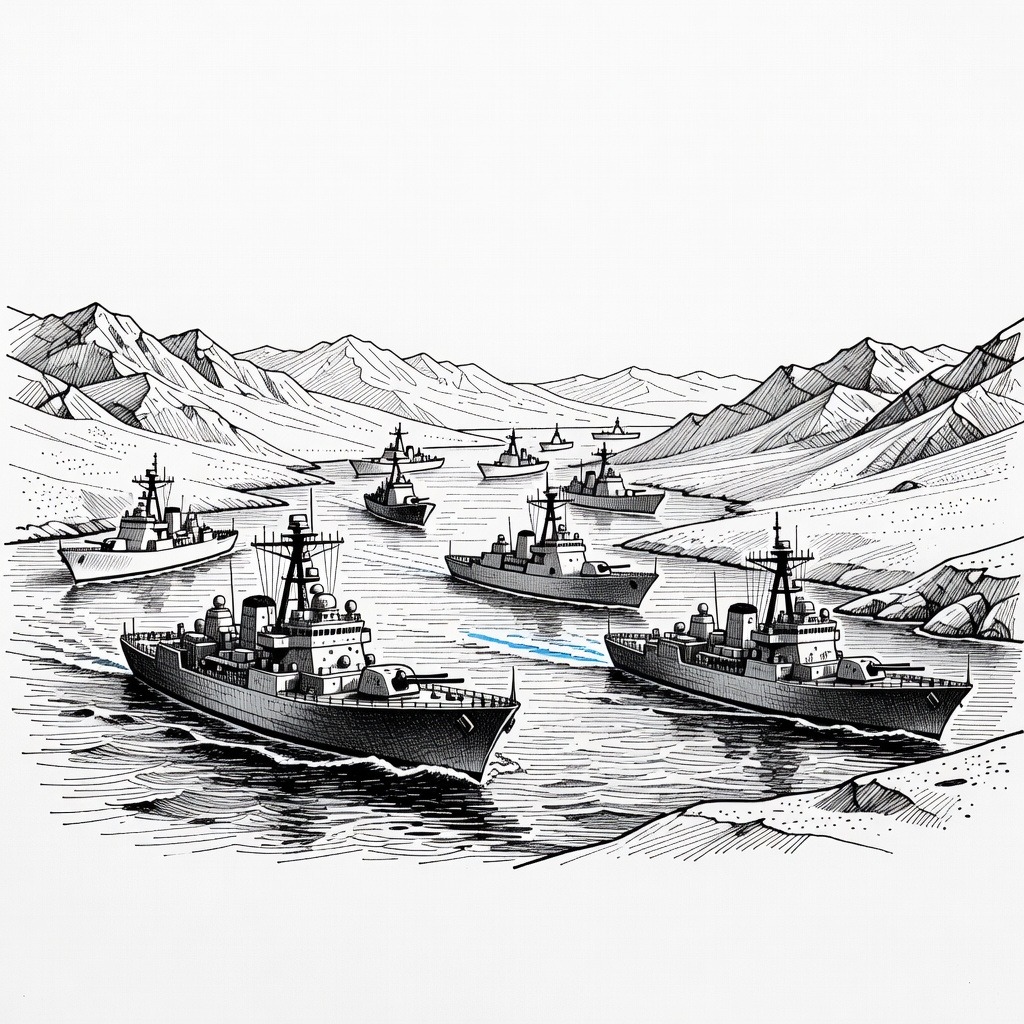
• Risking Broader Naval Entanglement Emphasizing the necessity of de-escalation, drawing multiple foreign navies into an active conflict zone is viewed as highly volatile. Partnering with diverse Asian nations—including strategic rivals like China, alongside Japan and South Korea—to deploy warships to the Strait highlights how localized failures threaten to pull in the wider world. The fundamental fear is that crowding a congested, highly militarized chokepoint with competing global powers increases the risk of catastrophic miscalculation and widens the war's scope.
How it may affect me
As a U.S. reader:
• In the short term, you will likely face increased personal energy costs and supply chain disruptions driven by surging global crude oil prices following the closure of the Strait of Hormuz.
• The resulting economic friction and market volatility are projected by government officials to last only a few weeks, though the immediate financial strain on consumers could remain severe during this timeframe.
• The deployment of multiple foreign warships to assist the U.S. in reopening the waterway introduces the risk of international military miscalculations, which could potentially escalate the situation into a wider and more prolonged global conflict.