
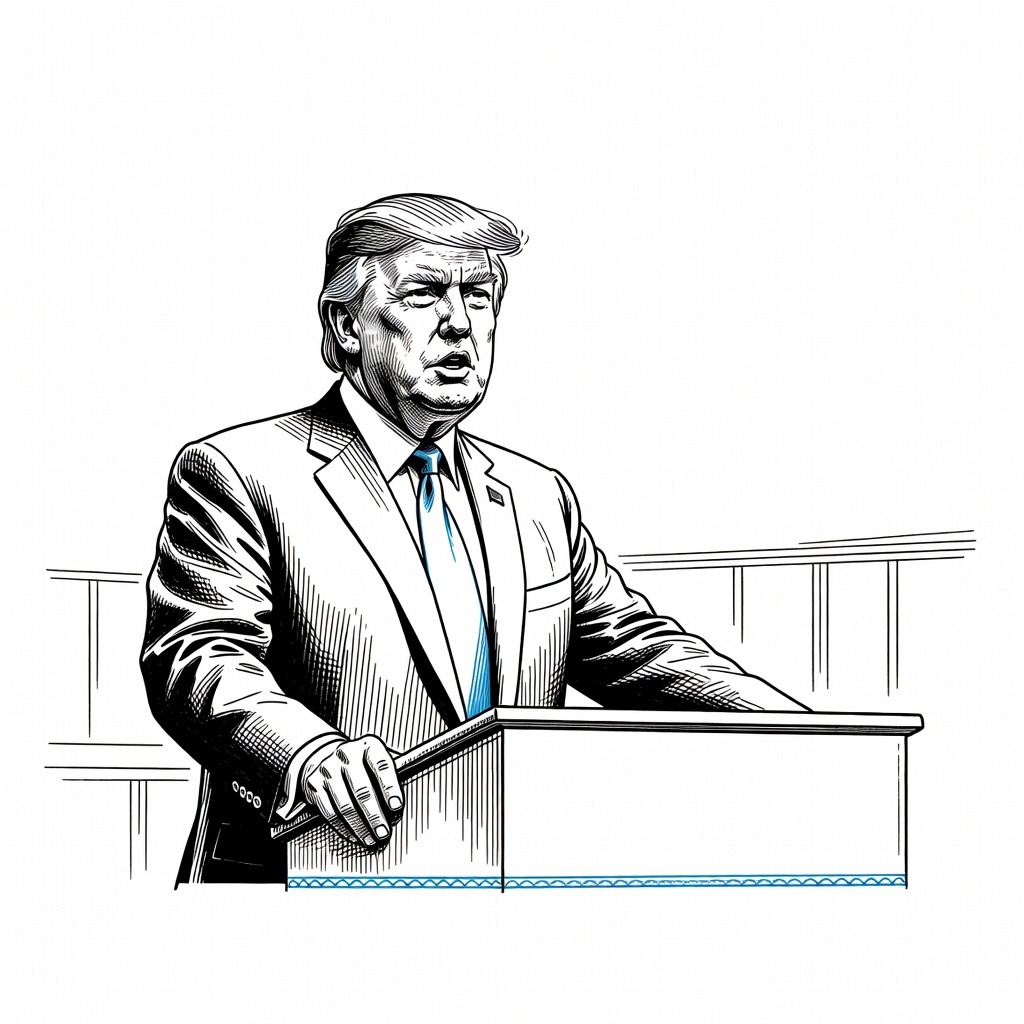
• Triggering Uncontrollable Regional Escalation Prioritizing diplomatic de-escalation, this camp views the bombardment of Kharg Island not as a strategic triumph, but as a reckless accelerant. Trump’s proclamation that the U.S. has "won" after obliterating military targets ignores the immediate, dangerous blowback, evidenced by Iran’s vow to target American interests and the IRGC's pledge to assassinate Prime Minister Benjamin Netanyahu. Military force applied without a diplomatic off-ramp replaces conflict resolution with an endless, unpredictable cycle of retaliatory violence.
• Imposing Massive Collateral Damage Valuing consumer protection and global equity, this perspective focuses on the devastating downstream effects of targeting international energy hubs. Because Kharg Island handles 90 percent of Iran's crude exports, the resulting 40 percent surge in global oil benchmarks acts as a deeply regressive, punishing global tax. Strategic military adventurism effectively shifts the heavy financial costs of geopolitical brinkmanship directly onto the shoulders of everyday civilians facing sudden energy inflation.
• Fracturing Global Systemic Stability Prioritizing institutional resilience, this camp points to the chaotic emergency interventions required to absorb this man-made crisis. When allied nations like Japan and South Korea must suddenly enforce domestic fuel price ceilings, and others must resort to halting exports or instituting remote work mandates to protect grid demand, the military operation has fundamentally undermined global security. Whatever localized tactical gains were achieved are vastly outweighed by the severe destabilization of international supply chains and civilian infrastructure.
How it may affect me
As a U.S. reader:
• In the short term, you will likely experience sudden energy inflation and higher everyday costs due to the 40 percent surge in global oil benchmarks following the disruption of Kharg Island.
• The safety of American military personnel, citizens, and business assets in the Middle East faces immediate risks, as Iranian forces have explicitly vowed to target American interests in the region.
• You may feel the economic ripple effects of destabilized international supply chains, as global markets are forced to absorb the energy shock through emergency measures like halting fuel exports and mandating workplace energy conservation.
• In the long term, you may eventually see improved global security and market stability if these temporary market disruptions successfully dismantle the adversary's logistical infrastructure and capacity for regional aggression.