
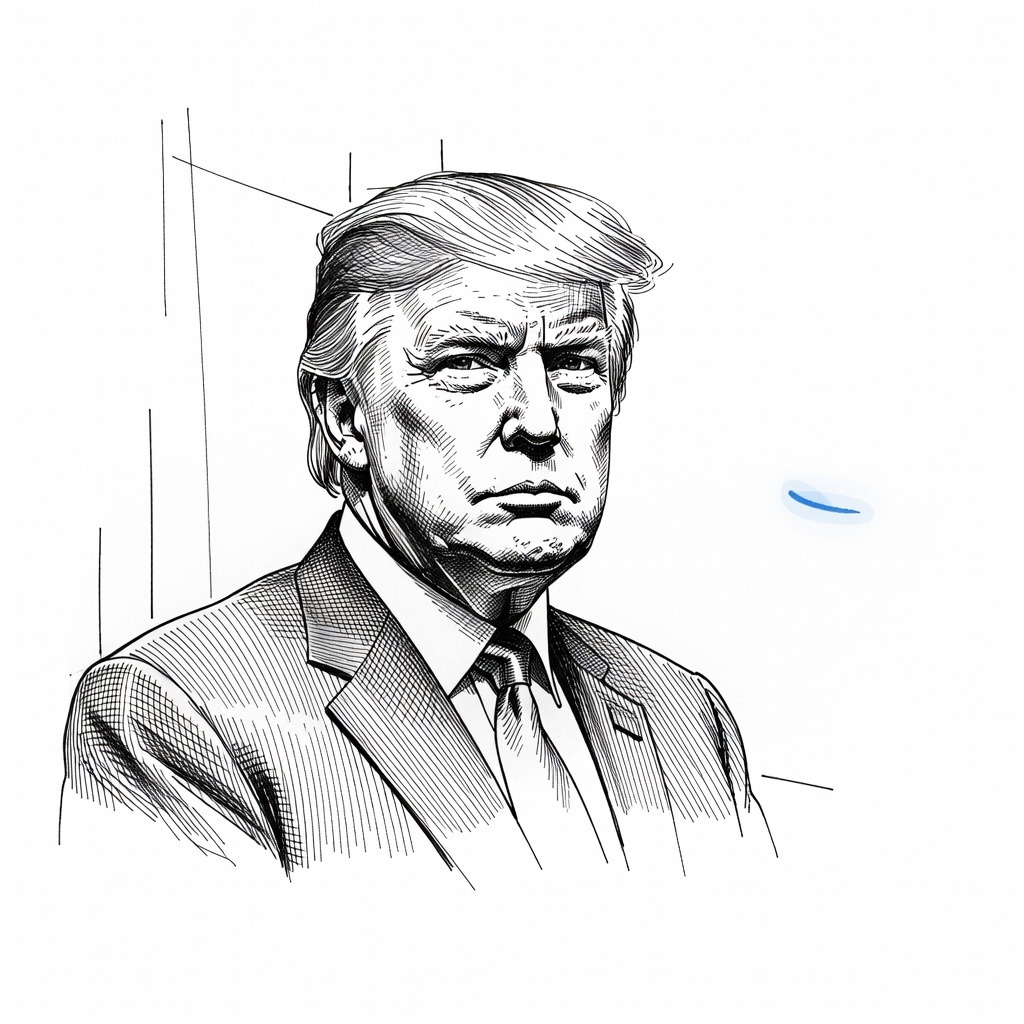
• Mandate State Transparency First Prioritizing civil liberties requires stripping away the anonymity of state power to ensure strict government accountability. The fatal shootings of two individuals in Minnesota by federal agents demonstrate an unacceptable institutional overreach that necessitates immediate systemic reform. Demanding that federal agents display identification and remove masks is viewed as a baseline necessity to protect vulnerable populations and prevent extrajudicial abuses by law enforcement.
• Leverage Disruption for Reform Institutional status quos strongly resist change, making structural disruption a vital and necessary tool for securing social progress. The prolonged one-month funding impasse is a calculated stand by progressives to force the administration into enacting meaningful enforcement policy shifts rather than accepting cosmetic concessions. While TSA personnel face the heavy burden of missed paychecks and resignations, conceding the budget without concrete tactical alterations would only validate and perpetuate abusive policing practices.
• Reject National Security Fear-Mongering Shielding marginalized groups requires rejecting political tactics that attempt to equate domestic accountability with international security crises. Republican arguments that the funding delay risks terrorism amid recent strikes involving Iran are interpreted as bad-faith escalations designed to avoid confronting law enforcement failures. The Trump administration’s maneuvering to sustain immigration enforcement while citing statutory barriers to keep civilian airport screeners unpaid is viewed as a conscious choice to prioritize aggressive state policing over everyday public infrastructure.
How it may affect me
As a U.S. reader:
• Air travelers face immediate longer wait times at airport security checkpoints, an issue that may worsen in the long term if unpaid TSA personnel continue to miss paychecks and resign.
• The public may face broader national security implications, as lawmakers warn that the ongoing funding lapse could heighten terrorism risks following recent United States strikes involving Iran.
• Everyday safety and security operations provided by the Secret Service, active-duty Coast Guard, and certain immigration agencies remain active and unaffected, as they are sustained by previously allocated funds.
• Citizens interacting with federal law enforcement will not see immediate reforms to tactical transparency, meaning agents can continue operating without displaying identification or removing masks while the policy standoff persists.