
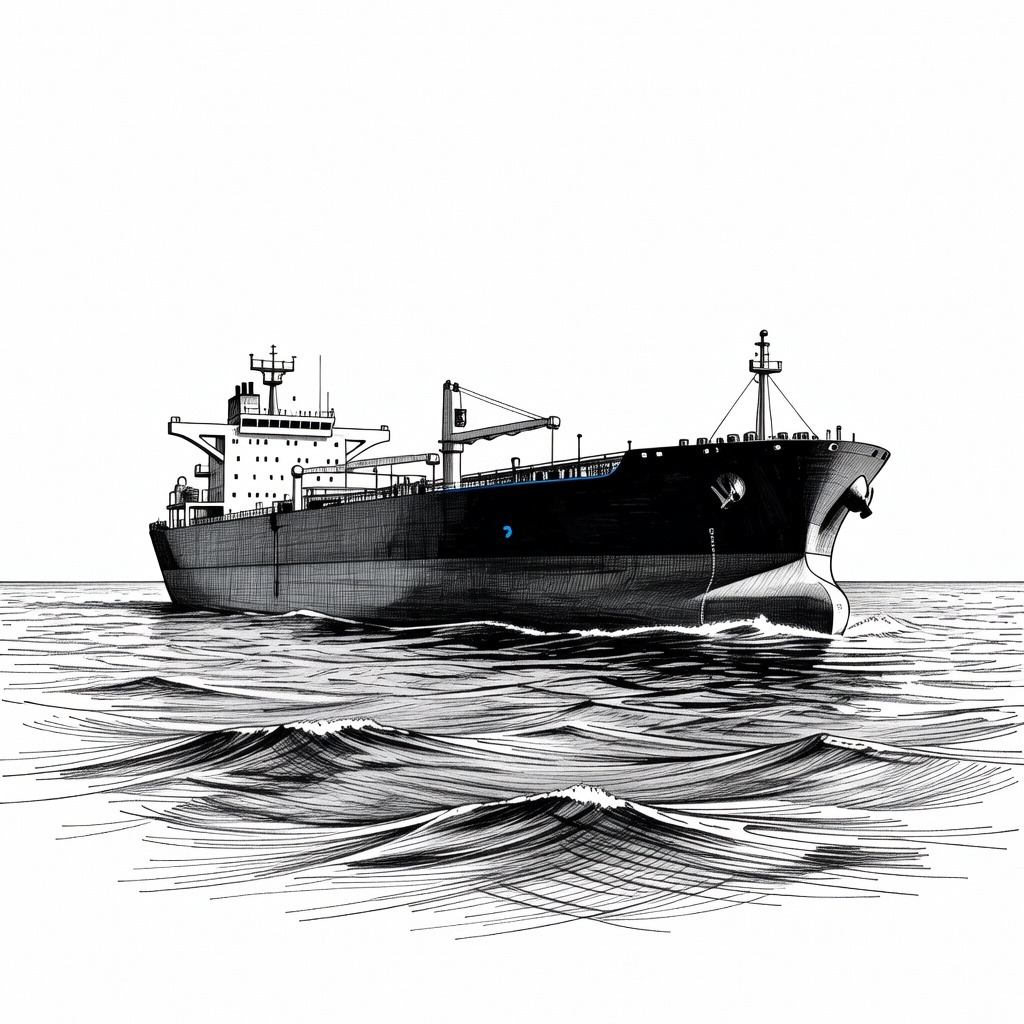
• Starving the Aggressor's Engine Prioritizes international accountability and defunding military aggression over short-term economic relief. This camp views the one-month authorization as a capitulation that directly finances Russia's invasion of Ukraine, echoing congressional Democrats' warnings. By abandoning strict sanctions to alleviate energy pressures, the U.S. is compromising the foundational imperative to cripple a hostile state's primary revenue stream.
• Fracturing Vital Allied Solidarity Values unified international law and coalition cohesion as the ultimate bulwarks against rogue states. This framework highlights that the U.K. and France are refusing to ease their restrictions to prevent investments in the Russian military. From this perspective, the Florida meeting between U.S. negotiators and a Russian envoy, followed by unilateral sanctions relief, represents backdoor diplomacy that undermines collective Western deterrence.
• Emboldening the Authoritarian Axis Fears the long-term strategic consequences of appeasing one aggressor to mitigate the disruptions caused by another. With the U.K. defense secretary alleging that Putin is influencing Iran’s military strategy, treating Russian oil as a convenient fallback during the Strait of Hormuz crisis is seen as dangerously flawed logic. This policy risks proving to interconnected adversaries that aggressive disruptions will eventually force democracies to compromise their moral and financial blockades.
How it may affect me
As a U.S. reader:
• In the short term, the authorization to purchase Russian petroleum at sea is intended to expand global oil supplies, potentially shielding domestic consumers and the broader economy from acute energy shortages tied to Middle East shipping disruptions.
• By attempting to stabilize domestic energy markets, the policy aims to allow the U.S. to focus its resources on its current military campaign against Iranian infrastructure without triggering a crippling domestic recession.
• Over the long term, the financial compensation sent to Russia for these oil purchases could help fund its ongoing war in Ukraine, which critics warn may empower interconnected adversaries and prolong global security threats.
• The divergence in sanctions policy between the U.S. and allies like the U.K. and France may weaken collective international deterrence, potentially altering how the U.S. and its partners manage future global conflicts and diplomatic negotiations.