
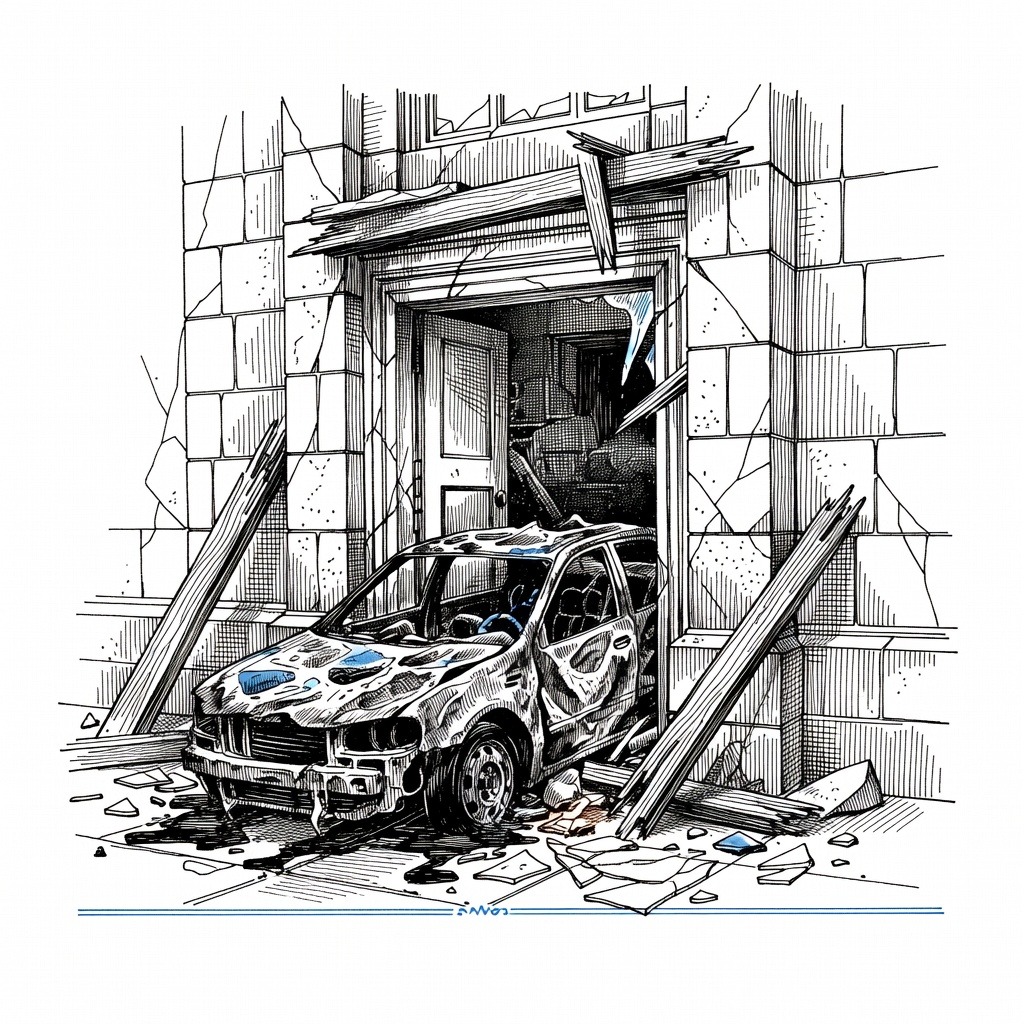
• Mitigating Global Conflict Spillovers Prioritizes understanding the human cost of international warfare and its cascading domestic repercussions. Interprets the revelation that Ghazali lost multiple family members in a Lebanese airstrike not as an excuse, but as a tragic demonstration of how foreign military conflicts breed local trauma and radicalization. Believes that relying exclusively on law enforcement ignores the underlying humanitarian crises that inevitably metastasize across borders.
• Shielding Vulnerable Civic Sanctuaries Focuses on the immediate preservation of civil liberties and the protection of marginalized communities from targeted hate. Views the attack on a Reform synagogue and the urgent evacuation of 140 students and staff as a terrifying reminder of the acute threats facing the Jewish community. Emphasizes that deploying increased regional patrols is an essential, moral obligation to ensure safe religious expression and community survival.
• Exposing Dangerous Bureaucratic Paralysis Demands functional government infrastructure to support public safety and disaster response. Critiques the congressional impasse over Department of Homeland Security funding as an intolerable failure of institutional accountability during a period of intersecting crises. Warns that allowing political dysfunction to choke off federal resources leaves local agencies and first responders—like the 30 treated for smoke inhalation—dangerously unsupported in preventing mass-casualty events.
How it may affect me
As a U.S. reader:
• In the short term, you may observe increased law enforcement patrols and armed security personnel around regional Jewish facilities and other religious centers.
• You may experience changes in physical security at community venues, including hardened defenses and armed guards intended to deter active threats.
• The ongoing congressional impasse over Department of Homeland Security funding could limit the federal resources available to support local law enforcement and first responders during mass-casualty events.
• Over the long term, foreign military conflicts and international extremist ideologies may continue to impact domestic safety by raising the risk of localized retaliatory violence.