
• Escalating the Violence Cycle The Humanitarian framework views the continuous bombardment of 6,000 targets and the targeted assassination of former Supreme Leader Ali Khamenei as a dangerous prioritization of militarism over diplomatic de-escalation. By systematically degrading Iran’s military and civil infrastructure, this approach risks creating a permanent power vacuum and triggering massive regional blowback. To this camp, the reliance on sheer destructive force guarantees a widening conflict that inherently punishes vulnerable populations rather than forging sustainable peace.
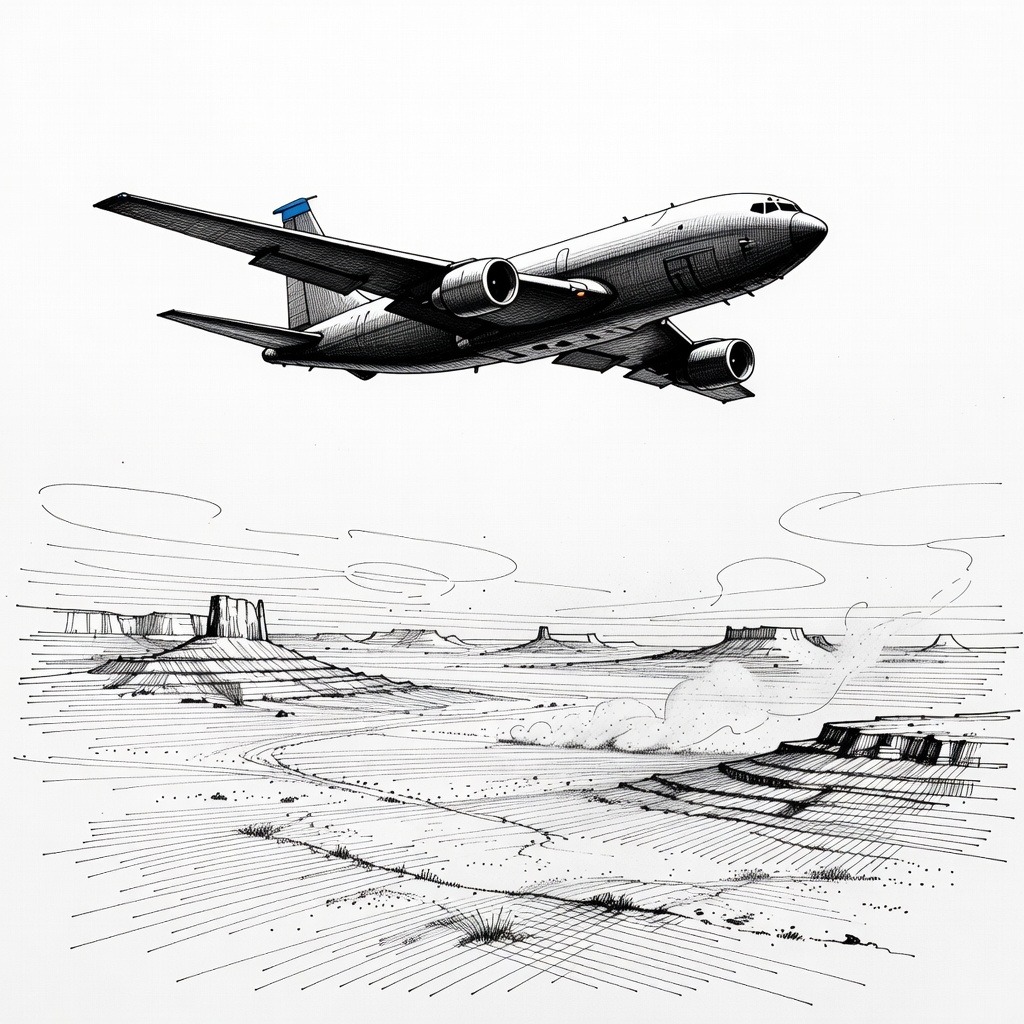
• The Inevitable Human Toll For this camp, the fatal crash of the KC-135 tanker in Iraq, resulting in at least four dead and two missing U.S. service members, illustrates the inescapable and tragic human cost of prolonged military engagement. Even outside of direct hostile fire, complex combat deployments inherently expose personnel to deadly, unpredictable risks. This perspective emphasizes that sprawling foreign interventions continually demand the ultimate sacrifice from service members, highlighting the deadly friction of relying on military action as a primary policy tool.
• Triggering Global Economic Shockwaves The Left emphasizes that aggressive military posturing inevitably produces severe collateral damage to the global commons, evidenced by crude oil surging to $93 a barrel and the effective closure of the Strait of Hormuz due to mines. Relying on a massive 172 million-barrel draw from the strategic reserve is viewed as a desperate, short-term patch for a systemic economic crisis manufactured by war. The lack of a definitive timeline to reopen the waterway underscores their belief that military force cannot easily repair the global trade networks it shatters.
How it may affect me
As a U.S. reader:
• You may experience short-term increases in domestic energy and gasoline costs due to global crude oil prices surging to $93 a barrel, though the release of 172 million barrels from the strategic reserve is intended to temporarily mitigate this price shock.
• You could face broader, long-term economic disruptions and supply chain delays because global shipping networks have been severely impacted by the effective closure of the Strait of Hormuz, with no specific timeline yet provided for its reopening.
• Individuals with family members in the armed forces face the ongoing reality of unpredictable combat-zone risks and potential casualties, as evidenced by the recent fatal crash of a U.S. refueling tanker in Iraq that resulted in at least four deaths.
• Over the long term, the U.S. public could see further national resources committed to an extended foreign intervention, as the systematic dismantling of Iran's military and government leadership carries the potential for a regional power vacuum and widening conflict.