
• Triggering Asymmetric Escalatory Blowback Prioritizing military force over diplomatic de-escalation directly triggers asymmetric retaliation and global instability. By relying heavily on CENTCOM strikes against Iranian vessels, the administration has provoked Tehran into choking off 20 percent of the world’s oil supply. This cycle of aggression underscores the danger of a "military-first" doctrine, where tactical actions inevitably lead to civilian cargo ships and tankers being struck off the coasts of Iraq and the UAE.
• Exposing Systemic Institutional Fragility Global governance mechanisms are severely strained by unilateral conflict escalation. The IEA’s emergency release of 400 million barrels acts as a desperate, temporary patch for a market projected to lose eight million barrels per day in March. The logistical bottleneck—requiring 120 days just to distribute the U.S. 172-million-barrel share—demonstrates that physical infrastructure cannot instantly mitigate the massive supply shocks caused by geopolitical brinkmanship.
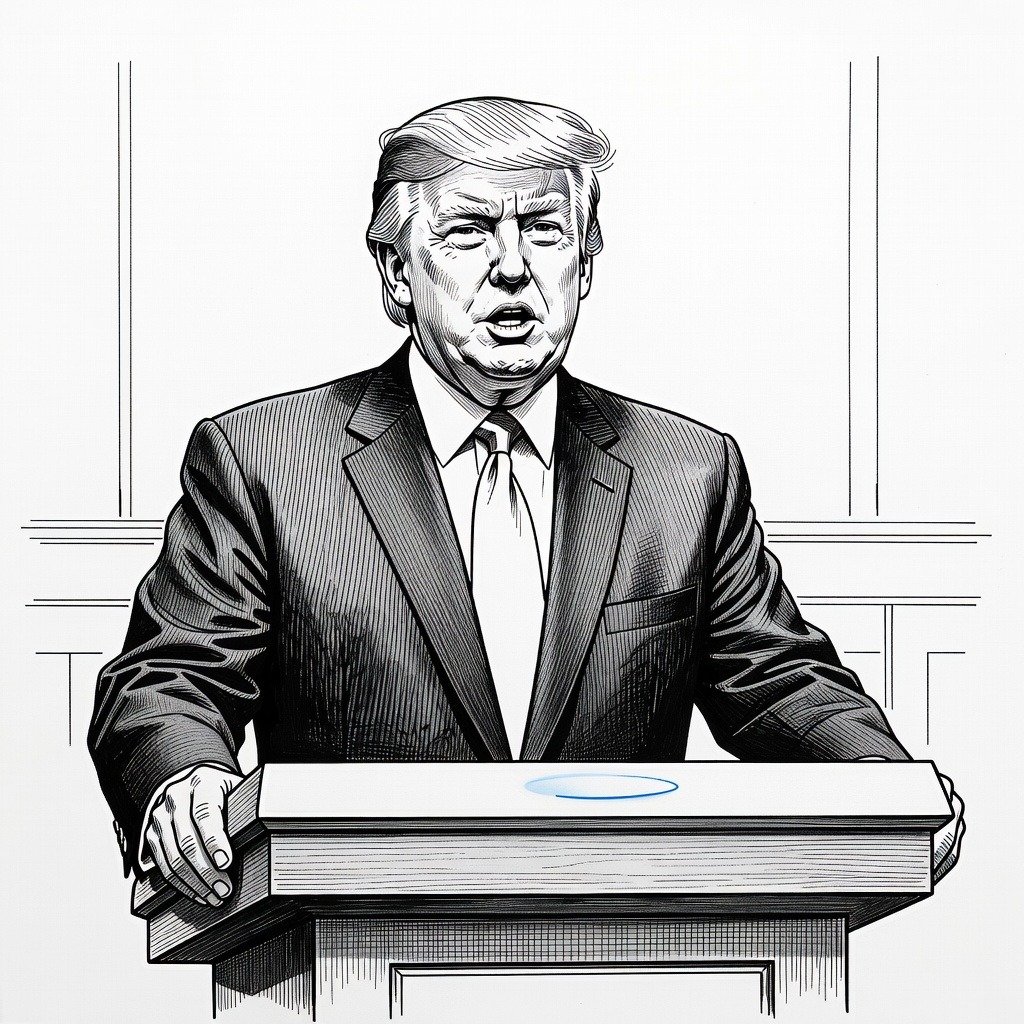
• Weaponizing the Consumer Burden Treating wartime commodity spikes as a national victory actively ignores the financial devastation inflicted on the working class. President Trump’s dismissal of domestic economic concerns by claiming the U.S. "profits" from $100-per-barrel oil frames human and economic crisis as a corporate windfall. This logic protects the fossil fuel industry's bottom line while exposing everyday consumers to punishing inflation and unchecked market volatility.
How it may affect me
As a U.S. reader:
• You will likely experience short-term financial impacts, including increased inflation and higher everyday consumer costs, as global crude oil prices surge past $100 per barrel.
• Relief from the government's emergency energy measures will be delayed, as the infrastructure bottleneck requires 120 days for the 172-million-barrel U.S. share of the oil release to be distributed to the market.
• The broader domestic economy will experience a split effect where everyday citizens bear the burden of market volatility while the U.S. fossil fuel industry profits from the price surges due to its position as a leading global producer.
• Commercial supply chains relying on the Middle East may face continued short-term disruptions, as U.S. naval assets are currently prioritized for offensive strikes against Iranian military capabilities rather than defensively escorting commercial tankers.