
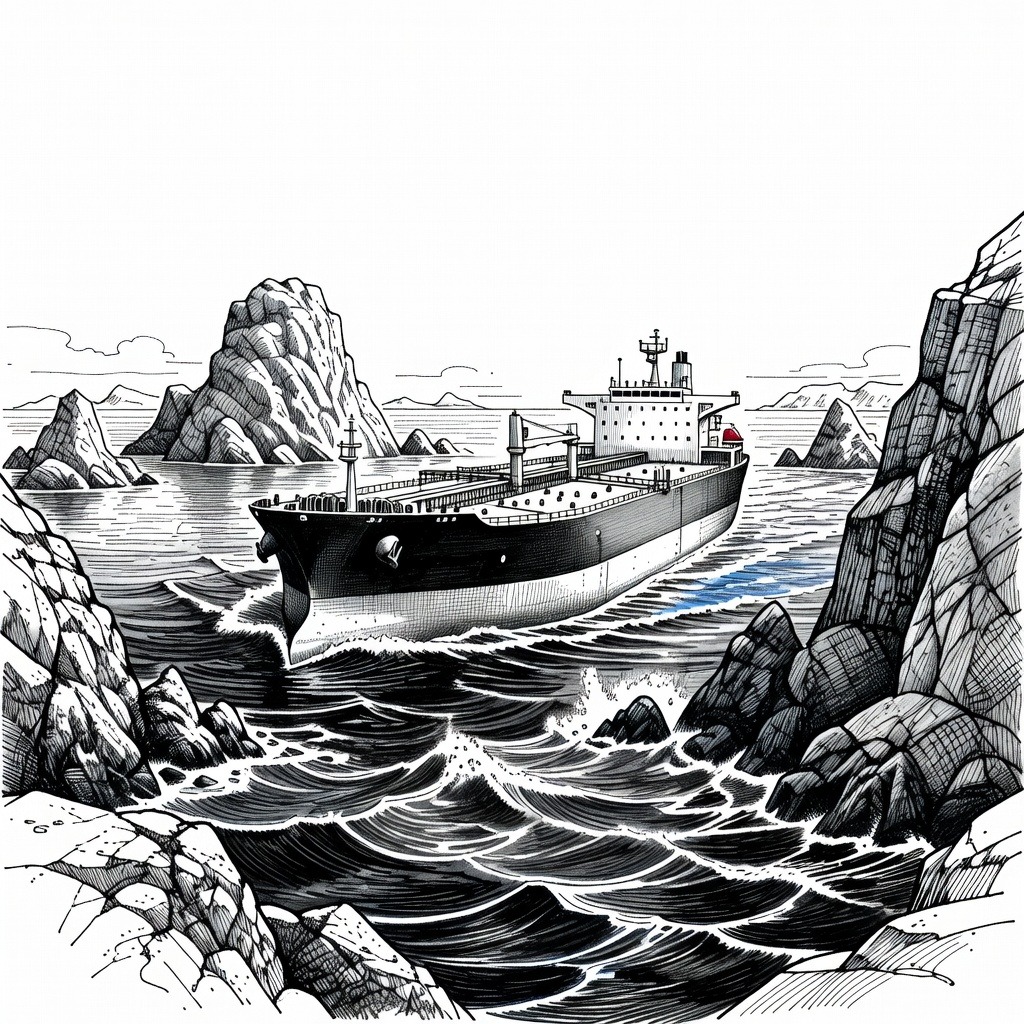
• Fueling The Escalation Cycle Relying on kinetic force to solve geopolitical disputes frequently produces radicalized successors rather than diplomatic capitulation. The targeted killing of Ayatollah Ali Khamenei has immediately resulted in his son, Mojtaba Khamenei, vowing revenge and cementing the closure of the Strait of Hormuz. This transition of power illustrates how decapitation strikes rarely dismantle an ideology, but instead entrench a hostile regime's commitment to retaliatory violence and prolong regional instability.
• Shattering International Moral Standing Prioritizing military aggression inherently results in unacceptable civilian casualties that violate the core tenets of international human rights. The preliminary assessment pointing to U.S. responsibility for a missile strike on an Iranian girls' school—resulting in at least 165 deaths—represents a catastrophic failure of precision warfare. These mass-casualty events, alongside hundreds of fatalities across Iran and Lebanon, erode the coalition’s global legitimacy and provide potent recruitment fuel for militant factions.
• Triggering Global Economic Blowback Uncontained military conflict generates systemic domestic and international damage that cannot be solved with weapons. Iran’s maritime retaliation and the resulting surge in global oil prices past $100 per barrel demonstrate how kinetic escalation directly harms working classes worldwide. Depleting the Strategic Petroleum Reserve by 172 million barrels is a desperate, temporary patch for an entirely avoidable economic crisis triggered by the failure to pursue diplomatic de-escalation.
How it may affect me
As a U.S. reader:
• In the short term, you can expect higher costs for fuel and energy because the closure of the Strait of Hormuz has pushed global oil prices above 100 dollars per barrel.
• The government's release of 172 million barrels of oil from the Strategic Petroleum Reserve may temporarily stabilize these rising costs, but a prolonged conflict could result in extended economic strain on working-class Americans.
• You may see continued risk to U.S. military personnel deployed in the region, as the intensifying conflict has already resulted in the deaths of seven American soldiers.
• Over the long term, reported U.S. involvement in mass civilian casualties, such as the strike on an Iranian girls' school, could serve as recruitment fuel for militant groups and potentially elevate international security threats against American interests.