
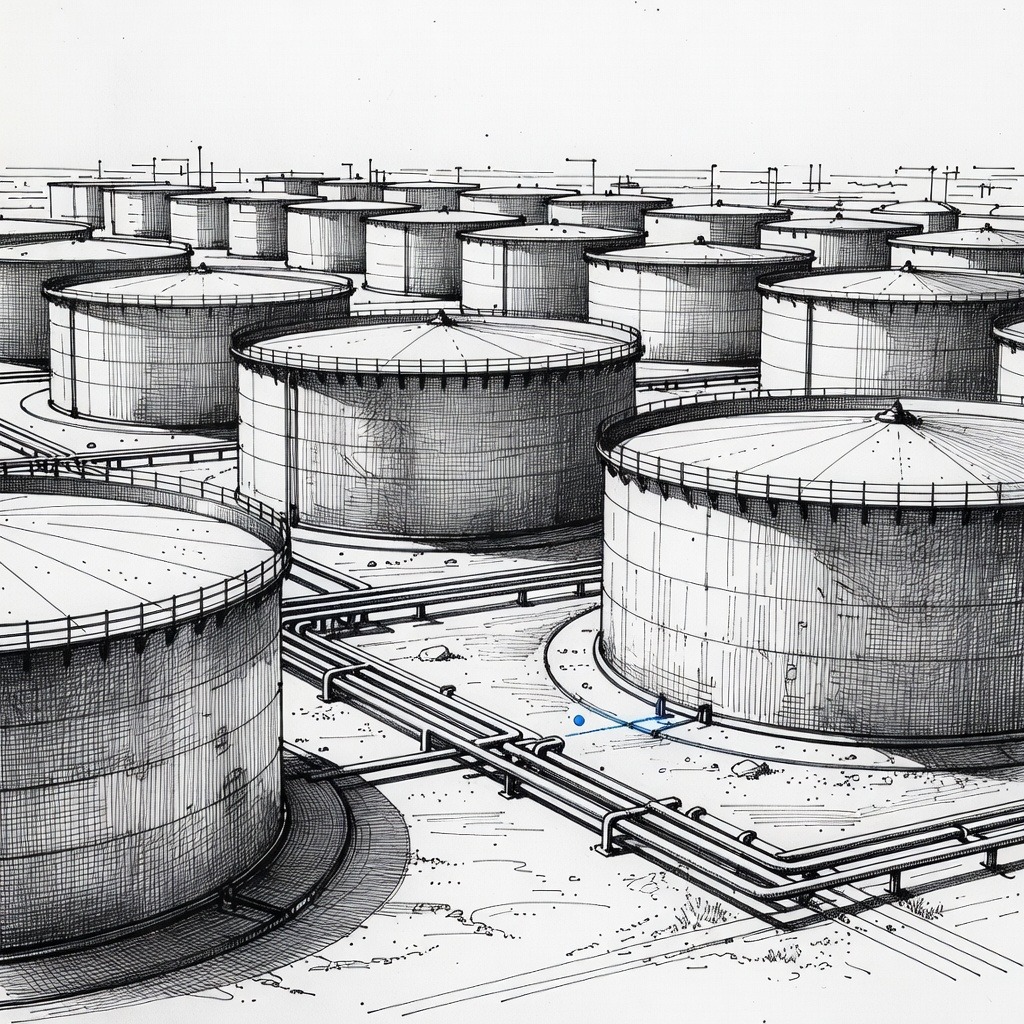
• Shield Against Price Shocks Deploying 172 million barrels from the Strategic Petroleum Reserve serves as a necessary state intervention to insulate everyday citizens from the financial fallout of foreign policy conflicts. Because the US-Iran war has disrupted the Strait of Hormuz, working-class populations are absorbing the immediate cost of geopolitical maneuvering at the gas pump. Distributing this supply over 120 days fulfills the government's baseline duty to protect domestic consumers from sudden, crippling energy inflation.
• Expose Deep Systemic Fragility The immediate market reaction—where benchmark prices remained elevated despite a massive 400-million-barrel coordinated global release—demonstrates the inherent futility of temporary supply patches. Relying on an emergency drawdown underscores a deeper structural failure to transition away from highly volatile, conflict-prone commodities. As long as global economic stability hinges on a single chokepoint handling 20 percent of world oil, consumer economies will remain permanent hostages to fossil fuel geopolitics and militarized supply chains.
• Offload Future Taxpayer Burden Energy Secretary Chris Wright’s plan to purchase 200 million barrels over the next year threatens to shift an immense, unpredictable financial burden onto the public. Buying back oil in a deeply destabilized market, especially with Iranian officials warning of potential $200-per-barrel spikes, risks siphoning vast public funds toward institutional bailouts rather than sustainable infrastructure. This reactionary strategy forces citizens to continuously underwrite the long-term, compounding economic costs of military entanglement.
How it may affect me
As a U.S. reader:
• Over the short term of the next 120 days, the emergency oil release is intended to act as a temporary buffer at the gas pump to shield everyday consumers from sudden energy price inflation caused by the overseas conflict.
• Consumers may still experience elevated domestic energy costs in the immediate future, as markets have kept benchmark prices high in recognition that the release may not fully offset the supply disruptions in the Strait of Hormuz.
• In the long term, the government's plan to purchase 200 million barrels over the next year to restock the reserve could shift a substantial financial burden onto taxpayers, particularly if global oil prices surge toward the $200 per barrel mark warned of by foreign military officials.
• The public could face more severe energy shortages and subsequent price shocks later on if the military conflict outlasts the 120-day release window, as drawing down over 40 percent of the current U.S. stockpile leaves fewer emergency reserves for future disruptions.