
• Shielding The Global Consumer Multilateral cooperation remains the most effective tool to insulate vulnerable populations from the economic fallout of international conflict. By coordinating a record 400-million-barrel release through the International Energy Agency, allied nations successfully stabilized crude prices nearing $100 without escalating military tensions. This coordinated drawdown, including 172 million U.S. barrels, acts as a critical economic shock absorber that protects working-class citizens globally from absorbing the punishing costs of a distant war.
• Mitigating Direct Military Escalation Avoiding direct kinetic entanglement in volatile flashpoints is paramount to preventing a broader regional catastrophe. The deliberate admission that U.S. Navy escorts will not accompany commercial vessels actively reduces the risk of accidental skirmishes with Iranian forces in the Strait of Hormuz. Substituting physical military confrontation with a $20 billion federal insurance fund provides a pragmatic, non-lethal mechanism to sustain commercial shipping while keeping vital diplomatic off-ramps viable.
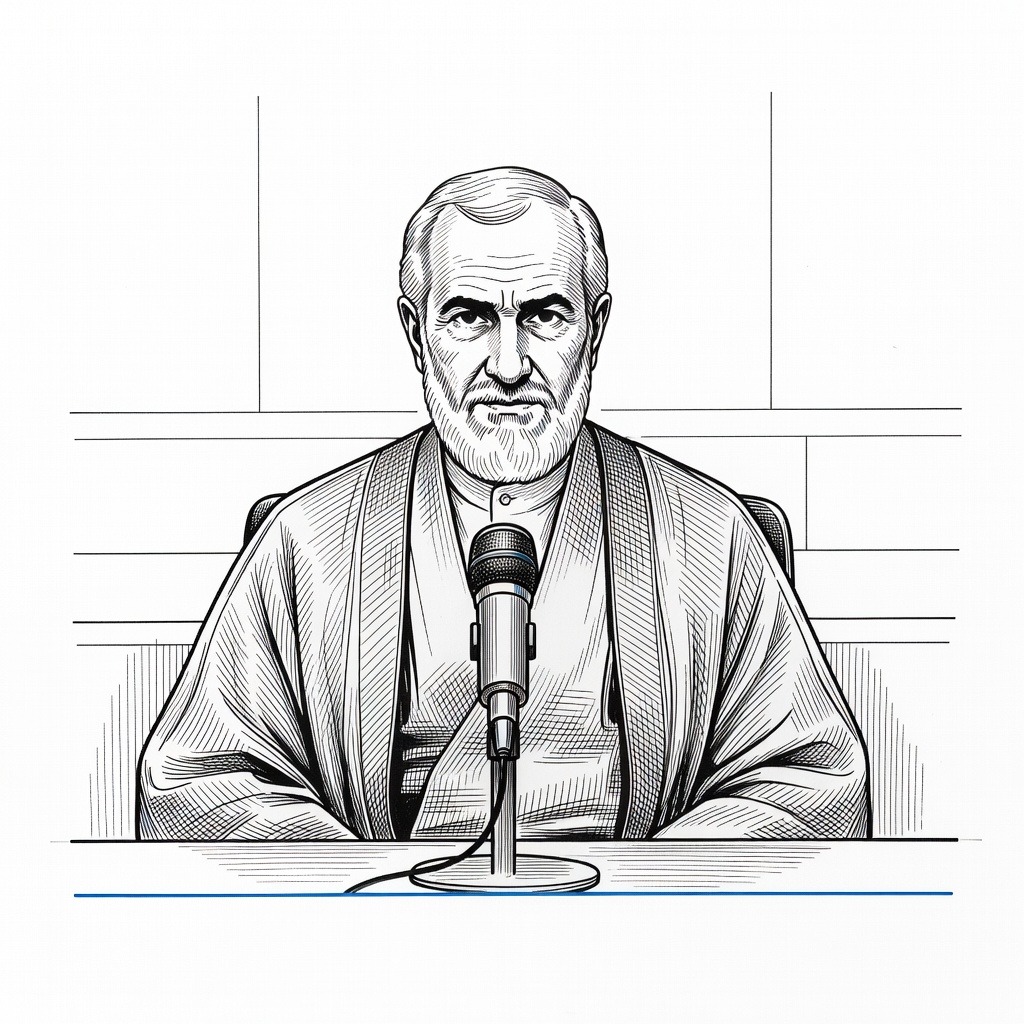
• Containing The Humanitarian Toll The staggering scale of kinetic operations already underway underscores the urgent need for international de-escalation rather than further militarization. With Israel reportedly conducting over 4,200 strikes resulting in 1,900 regime casualties, introducing direct American naval firepower would only pour fuel on an already devastating fire. From this perspective, Ayatollah Mojtaba Khamenei's vow to target U.S. bases validates the strategy of physical restraint, prioritizing the preservation of human life and long-term geopolitical stability over aggressive posturing.
How it may affect me
As a U.S. reader:
• In the short term, consumers may see stabilized fuel costs as the government releases 172 million barrels from its emergency stockpiles to offset global crude oil prices approaching $100 per barrel.
• In the long term, depleting the Strategic Petroleum Reserve by 172 million barrels reduces the national stockpile available to protect the public during future domestic emergencies and energy shocks.
• Public domestic resources are being utilized to fund a new $20 billion federal insurance program intended to financially cover commercial ships and tankers operating in the conflict zone.
• The immediate risk of American service members being drawn into direct naval combat is lowered by the decision not to provide physical military escorts for commercial vessels, though U.S. military bases still face explicit threats of retaliatory strikes.