
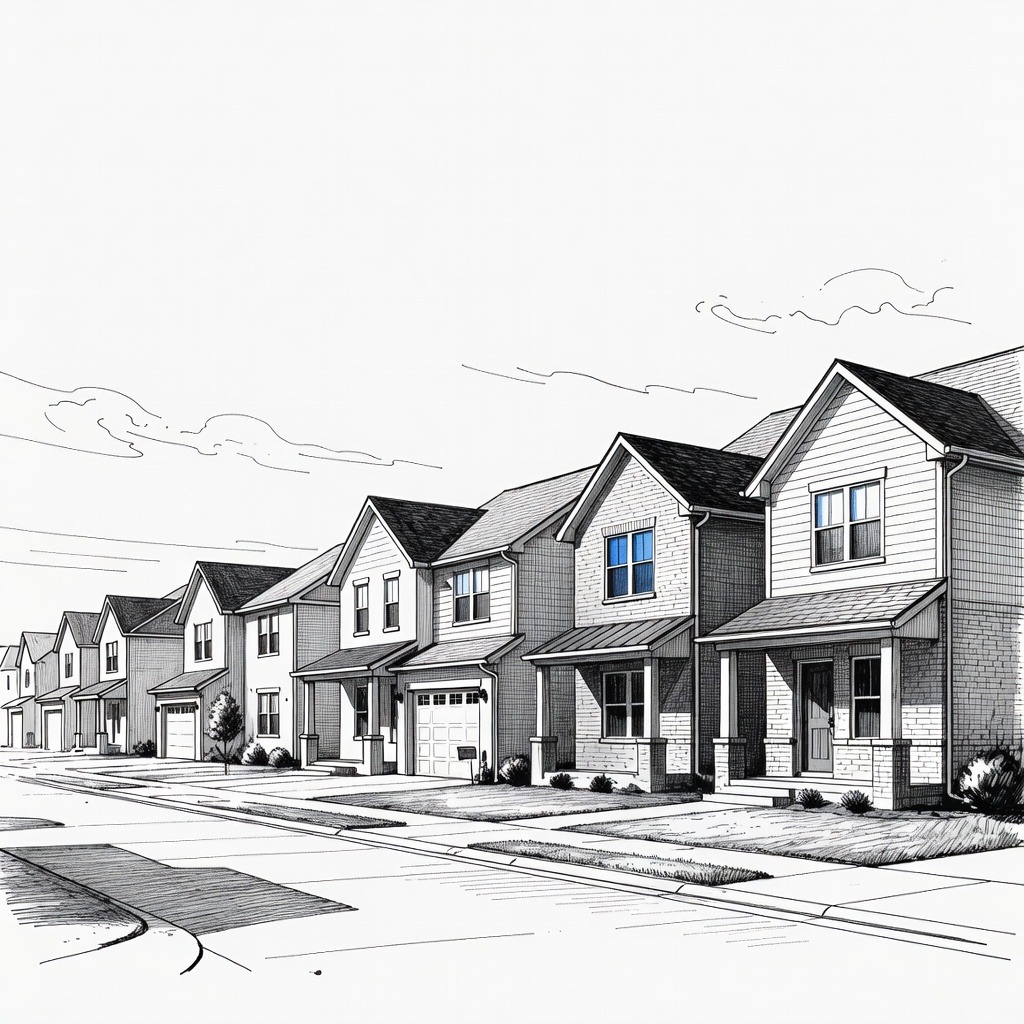
• Shield Against Corporate Extraction Prioritizing social equity requires protecting the single-family housing market from monopolization by massive institutional mega-landlords. The Senate provision capping corporate purchases at 350 homes serves as a vital firewall against Wall Street treating residential neighborhoods as speculative asset classes. By strictly regulating these large-scale buyers, this framework actively preserves the fundamental wealth-building engine of homeownership for individual families rather than institutional conglomerates.
• Obstruction of Consumer Relief Delaying this bipartisan affordability package through a prolonged conference committee is viewed as a failure to urgently address an escalating cost-of-living crisis. The insistence by House conservatives on stripping out investor limits demonstrates a prioritization of corporate capital accumulation over immediate relief for priced-out citizens. Even though the Senate bill already integrates twenty primary House provisions, the push for weeks or months of negotiation is interpreted as an institutional stall tactic to dilute vital market safeguards.
• Threat of Unchecked Financialization Capitulating to the House's demands risks cementing a severely unbalanced system where massive capital pools perpetually outbid everyday citizens for basic shelter. Furthermore, demanding a permanent rather than a temporary five-year ban on central bank digital currencies preemptively strips the government of future technological tools that could potentially democratize finance. The overarching fear is a fully financialized housing sector where property ownership becomes an exclusive privilege for elites while vulnerable populations are relegated to permanent renter status.
How it may affect me
As a U.S. reader:
• In the short term, prospective homebuyers and renters will not see immediate federal changes regarding housing affordability, as lawmakers expect the legislative negotiation process to take weeks or months.
• Over the long term, if the provision capping institutional buyers at 350 properties passes, individual families attempting to purchase single-family homes may face less bidding competition from large corporate investors.
• Conversely, if these corporate purchasing limits are enacted, the housing market could experience a drop in large-scale financing, potentially slowing down new property development and limiting the future supply of available homes.
• The outcome of the central bank digital currency dispute will shape long-term consumer finance structures, resulting in either a permanent block on federal digital money to prevent government monitoring or a temporary five-year ban that leaves the door open for future government-backed digital banking technology.