
Senate Blocks Competing Measures as Homeland Security Shutdown Continues

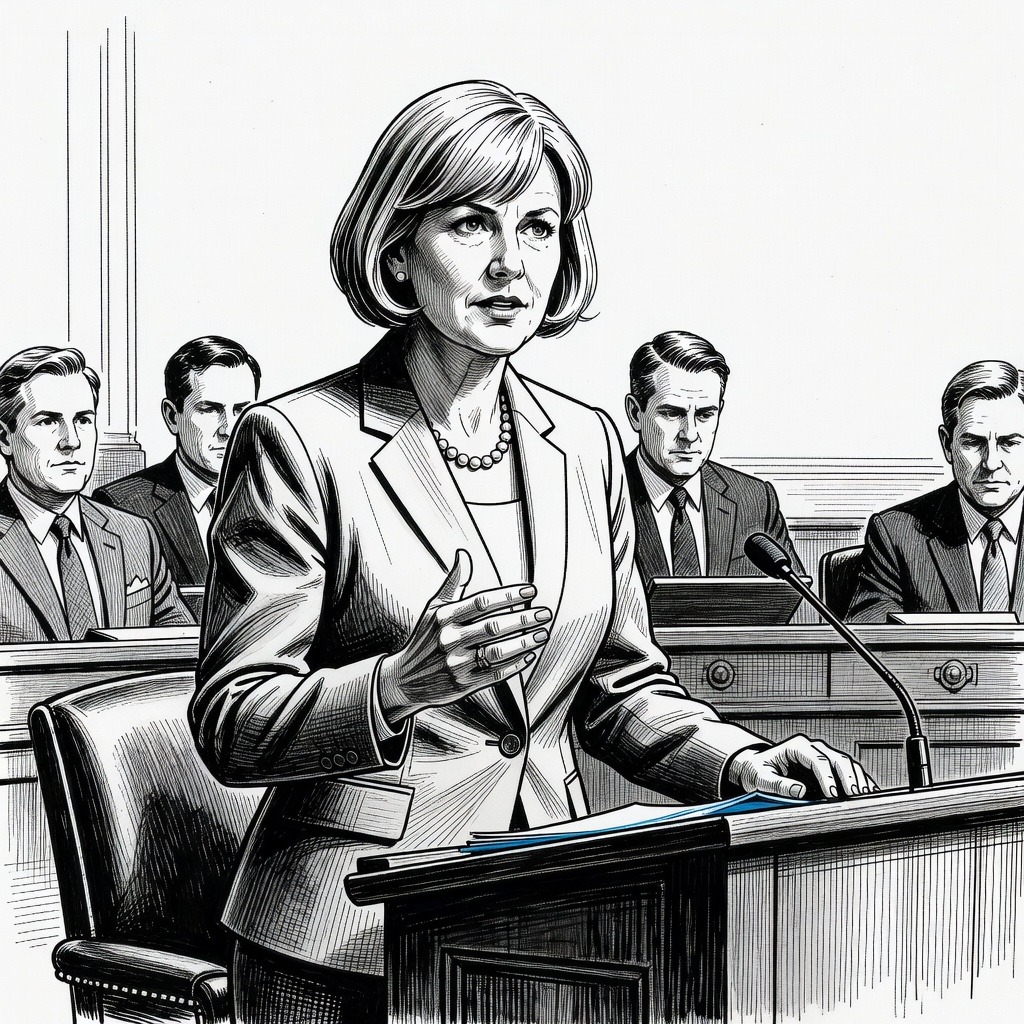
Illustration for: Senate Blocks Competing Measures as Homeland Security Shutdown Continues
AI-generated illustration. Visual interpretation does not represent real individuals or scenes.

THE BARE STORY

The U.S. Senate remains deadlocked over funding for the Department of Homeland Security, extending a partial shutdown that began on February 14. On Wednesday, lawmakers blocked competing proposals to restore appropriations as the two parties continue to clash over immigration enforcement policies.

The legislative impasse centers on Democratic demands for new restrictions on Immigration and Customs Enforcement and Customs and Border Protection. Democrats are seeking policy changes following a January incident in Minnesota where federal immigration agents fatally shot two U.S. citizens. According to Democratic lawmakers, required reforms must include mandatory body cameras, identification requirements, and bans on agents wearing masks or entering private property without judicial warrants. Republicans, alongside the White House, have refused to accept the policy changes as a condition for agency funding.

During Wednesday's session, Democratic Senator Patty Murray proposed a measure to independently fund specific subagencies, including the Transportation Security Administration (TSA), the Coast Guard, and the Federal Emergency Management Agency. Republican Senator Katie Britt blocked the proposal; according to Republican lawmakers, separating the bills could leave immigration agencies permanently unfunded due to the narrow Senate majority. Britt countered with a temporary, two-week funding extension for the entire department, which Murray then blocked. Senate Majority Leader John Thune and Minority Leader Chuck Schumer have each accused the opposing party of refusing to negotiate.

As a result of the ongoing lapse in funding, Department of Homeland Security employees are set to miss their first full paychecks this week. The shutdown has directly affected airport operations across the country, leading to extended security lines as TSA employee absences double and agents call out of work while going unpaid.

Same Facts. Different Perspectives.

Two AI models. Two viewpoints. One factual foundation.

• Defend Core Institutional Sovereignty The foundational duty of the state is to maintain continuous enforcement of the rule of law. Refusing to tie Department of Homeland Security funding to hastily demanded policy changes ensures that executive agencies are not subjected to legislative extortion. Conditioning core operational budgets on new restrictions fundamentally weakens the state's capacity to execute immigration enforcement and secure the homeland.

• Block Tactical Defunding Traps Legislative strategy must anticipate and neutralize long-term threats to systemic security infrastructure. Senator Britt’s rejection of piecemeal funding for the TSA and FEMA recognizes the danger of dividing the appropriation bill. Segmenting the department is viewed as a calculated maneuver to isolate ICE and CBP, virtually guaranteeing these crucial enforcement arms remain permanently unfunded within a narrowly divided Senate.

• Maintain Critical Operational Readiness Civic duty and national stability require fully functioning defense infrastructure, regardless of ongoing political disputes. The immediate consequence of the shutdown—missed paychecks and doubling TSA absences—creates unacceptable vulnerabilities and chaos at national airports. Rejecting a clean, two-week funding extension sacrifices the financial stability of civil servants and the operational readiness of the nation for a partisan policy dispute.

How it may affect me

As a U.S. reader:

• In the short term, you may experience extended security lines and travel delays at national airports as TSA agent absences double due to unpaid wages.

• Department of Homeland Security employees, which include TSA agents, Coast Guard personnel, and FEMA staff, face immediate financial impacts as they miss their full paychecks this week.

• Vital public safety and emergency management services could experience reduced operational readiness, as funding for FEMA and the Coast Guard remains blocked by the broader legislative standoff.

• In the long term, you may see structural changes to how federal immigration agents interact with the public in local communities, potentially including new mandates for body cameras, clear identification, and judicial warrants to enter private property.

Read the story at

Note: All TheBareNews content is AI-generated. For additional context, reporting, and updates, you are invited to explore the news outlets linked above.