
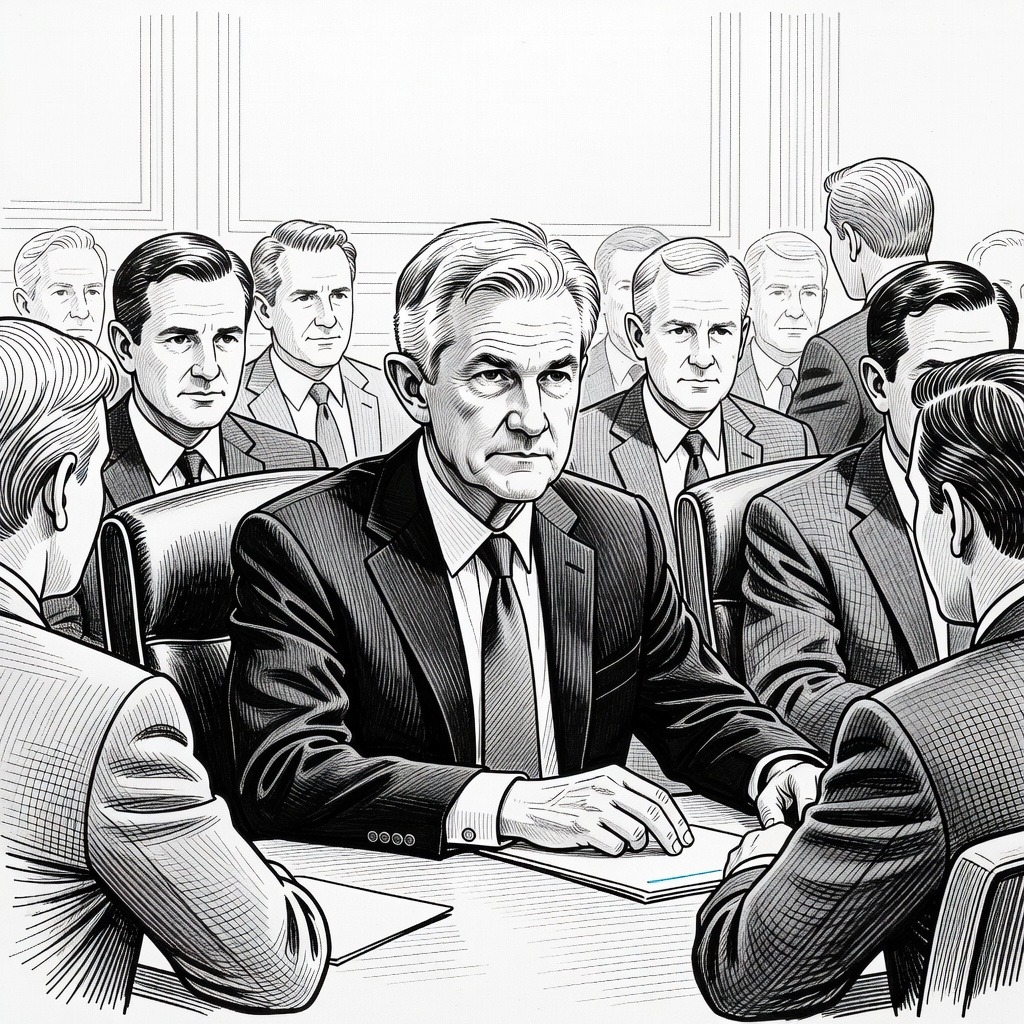
• Enforce Strict Legal Accountability The Left prioritizes government accountability and views the DOJ investigation into Powell's testimony regarding headquarters renovations as a necessary, impartial legal process. From this perspective, powerful institutional leaders must not be shielded from scrutiny, and allegations of false congressional testimony demand a thorough investigation regardless of the official's elite status or the immediate market optics.
• Condemn Legislative Nomination Obstruction The Reformer lens criticizes Senator Tillis's decision to block Kevin Warsh’s confirmation as an inappropriate conflation of independent legal and legislative processes. By pausing the nomination explicitly to protect the current Chair from an active inquiry, this framework argues that lawmakers are manipulating Senate procedures to insulate an ally rather than allowing normal, democratic government transitions to proceed.
• Prevent Technocratic Legal Impunity The primary risk perceived by this camp is the normalization of a two-tiered justice system where assertions of "institutional independence" are utilized to evade standard legal scrutiny. If the Federal Reserve successfully challenges the DOJ's subpoenas in the D.C. District Court with the backing of the Senate, it establishes a dangerous precedent that financial technocrats operate entirely beyond the reach of federal law enforcement.
How it may affect me
As a U.S. reader:
• In the short term, allegations that the administration is using a legal probe to pressure the Federal Reserve into lowering interest rates indicate that this political dispute could directly influence national monetary policy and economic conditions.
• The stalled confirmation process introduces potential leadership uncertainty at the Federal Reserve, as a failure to confirm a successor before the current chair's term expires in May could disrupt institutional continuity and normal government transitions.
• In the long term, if the independence of the Federal Reserve is perceived to be compromised by political coercion, it risks destroying global market trust in impartial United States monetary policy and triggering broader systemic instability.
• The legal resolution of the Justice Department subpoenas will establish a public precedent for whether top institutional leaders face standard legal accountability or if they operate beyond the reach of federal law enforcement under the premise of structural autonomy.