
• Abandonment of Civilian Safeguards Prioritizing the protection of non-combatants is a fundamental pillar of international law. The strike on an elementary school resulting in over 170 alleged deaths, combined with Defense Secretary Hegseth's reduction of the Pentagon staff responsible for mitigating civilian harm, represents a deliberate dismantling of humanitarian accountability. For this camp, the administration’s dismissal of open-source video evidence underscores a dangerous shift away from wartime transparency and basic human rights.
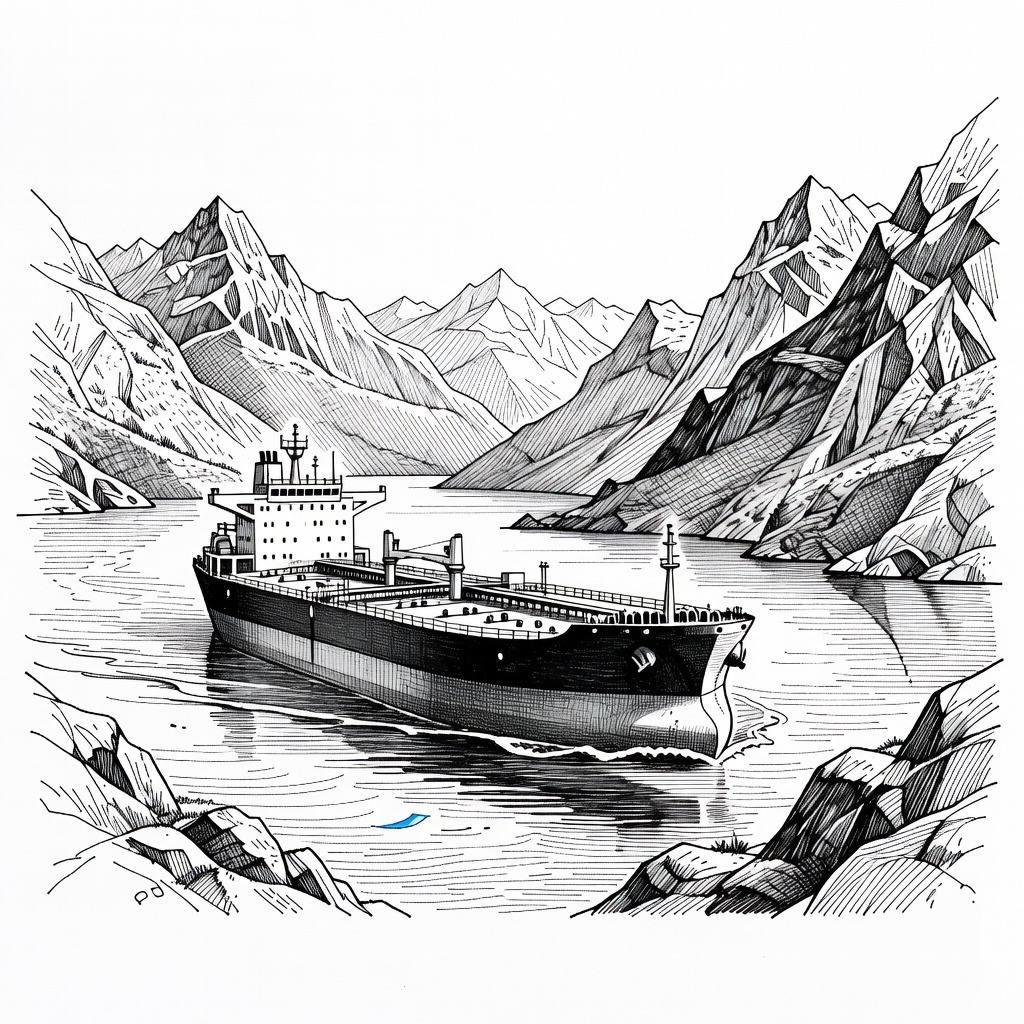
• Reckless Economic Coercion The safety of global citizens and commercial mariners must supersede immediate market demands. Urging commercial oil vessels to navigate the Strait of Hormuz despite explicit warnings of sea mines from both U.S. intelligence and Iranian officials is viewed as a reckless gamble with human lives. Leveraging a government-backed insurance program via Chubb to incentivize this transit is seen as an artificial mechanism to mask the conflict’s severe, ongoing collateral damage to international shipping.
• Erosion of Diplomatic Alliances Sustainable global security relies on multilateral cooperation and mutual respect for national sovereignty. Threatening to sever trade relations with Spain because Prime Minister Sánchez refused base access in Andalusia turns strategic partnerships into coercive, transactional demands. This approach risks deep international isolation, transforming a targeted military campaign into a broader destabilization of democratic alliances and international goodwill.
How it may affect me
As a U.S. reader:
• Short-term fluctuations in domestic fuel prices and economic stability may occur due to the ongoing disruption of global oil shipments and the presence of sea mines in the Strait of Hormuz.
• In the short term, the general public faces a reportedly low risk of retaliatory domestic terror attacks, as the administration indicates the military campaign has successfully degraded hostile capabilities and deterred such threats.
• Long-term economic consequences could impact businesses and consumers reliant on international commerce if the government follows through on its threat to sever trade relations with Spain over military base access.
• Long-term national security and diplomatic relationships may be affected by growing friction with international allies and reduced military transparency regarding civilian casualty investigations.