
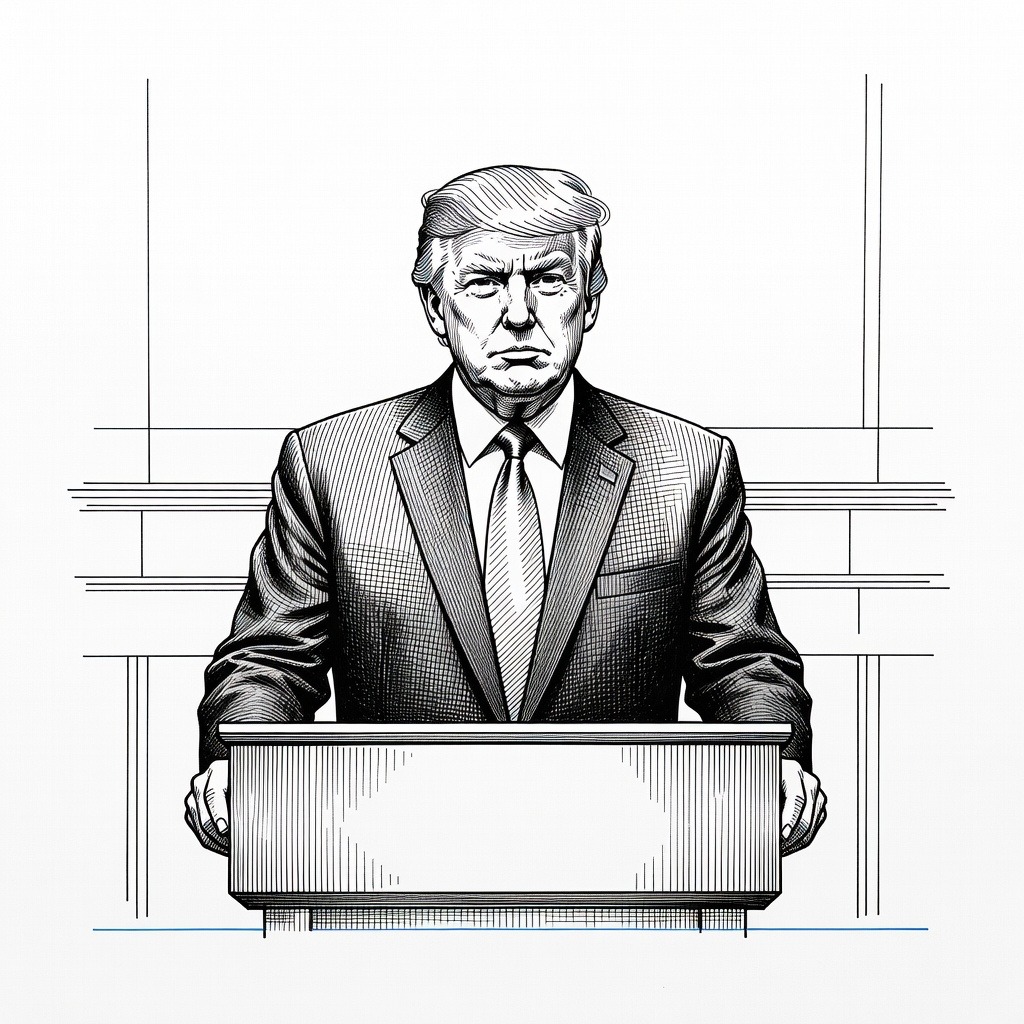
• Defending Equitable Democratic Access Prioritizing civil liberties requires resisting the SAVE America Act’s stringent citizenship and photo identification mandates. These measures are viewed not as security enhancements, but as systemic barriers deliberately designed to disenfranchise vulnerable and marginalized voting blocs. Attempting to bypass the filibuster to force this legislation through is perceived as a blatant assault on equitable democratic participation.
• Rejecting Transactional Power Plays Government accountability demands exposing the overt politicization of Senate procedural rules. Senator Cornyn's sudden embrace of the "talking filibuster" is interpreted as pure capitulation to primary election threats from Ken Paxton and Donald Trump rather than a principled policy stance. This transactional behavior demonstrates how institutional norms are readily discarded to appease factional pressures and secure personal political survival.
• Condemning Manufactured Governance Crises Holding basic governmental functions hostage for ideological victories creates dangerous systemic instability. Stalling vital Department of Homeland Security funding to force a showdown over voting restrictions is seen as a reckless weaponization of the legislative process. Demanding loyalty tests that delay essential confirmations illustrates a willingness to sabotage state operations to satisfy a narrow partisan mandate.
How it may affect me
As a U.S. reader:
• In the short term, a prolonged procedural battle over the bill could delay funding for the Department of Homeland Security, potentially impacting the operational readiness of national security programs.
• An immediate standoff may also stall the confirmation of the new Homeland Security secretary, leaving a key national defense department without its official leadership.
• In the long term, if the proposed legislation is enacted, voters across the country will be required to provide photo identification and proof of citizenship to cast a ballot, a standard that would alter voter access and election procedures.
• Attempts to bypass the 60-vote threshold could alter how the Senate operates long-term, potentially creating future legislative delays by opening bills to continuous amendment votes and disrupting orderly governance.