
• Sacrificing Labor for Margins Prioritizing corporate wealth accumulation invariably extracts a toll on the workforce. Oracle’s admission that it is restructuring product development teams to operate with "fewer employees" using AI code generation tools demonstrates how technological efficiency is utilized to eliminate human labor. The $3.72 billion in net income and a 10 percent stock surge are functionally subsidized by hollowing out the workforce, ensuring that the financial rewards of AI advancement flow exclusively to shareholders and executives rather than the workers who built the foundational systems.
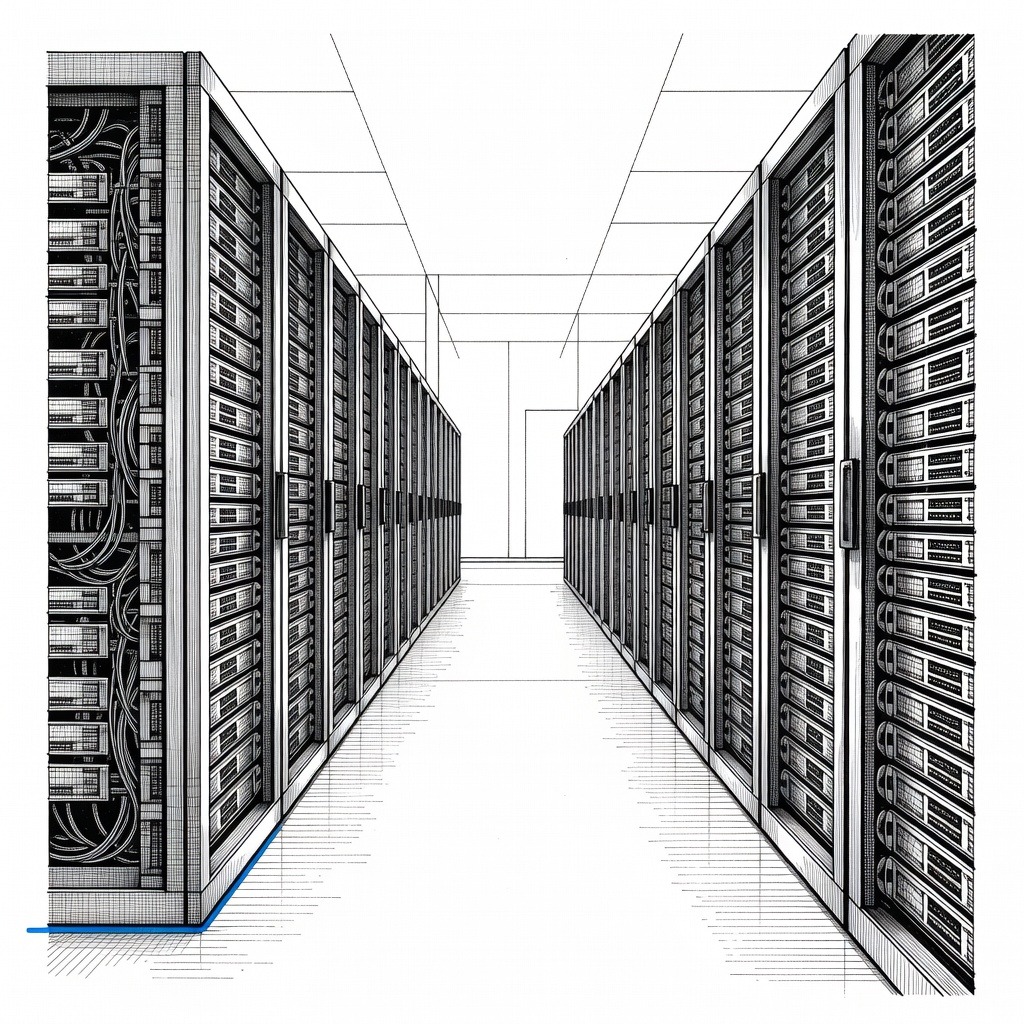
• Monopolizing Critical Energy Resources Unchecked corporate expansion risks draining physical public resources to fuel private data infrastructure. Oracle’s pledge to bring over 10 gigawatts of computing power online over the next three years to support AI facilities represents a colossal extraction of energy capacity. This aggressive, rapid-scale infrastructure buildout prioritizes hyper-commercialized tech operations over equitable energy distribution, sparking concerns that local grids and communities will bear the hidden environmental and systemic costs of powering massive data centers like the one in Abilene, Texas.
• Consolidating Monopolistic Tech Power Hyper-financialization and massive capital consolidation stifle equitable market dynamics and concentrate power among a few elite tech giants. Oracle's plan to raise $45 billion to $50 billion in a single fiscal year reflects a high-stakes capital arms race where only entrenched behemoths can compete. The quadrupling of performance obligations to $553 billion signals an accelerating monopolistic trajectory, creating enormous financial moats that lock in corporate dominance and restrict the broader technological ecosystem from accessible, decentralized innovation.
How it may affect me
As a U.S. reader:
• Tech sector workers may experience near-term job displacement and role restructuring as companies increasingly adopt artificial intelligence tools to generate software code with fewer employees.
• Local communities, such as those near operational data centers in Texas, could face long-term strain on their power grids and environmental resources as massive tech infrastructure projects extract up to 10 gigawatts of energy over the next three years.
• End-users and businesses may benefit from cheaper and faster artificial intelligence tools in the long term, driven by the integration of emerging hardware startups that increase competition and lower infrastructure costs.
• The public may see future technological innovation increasingly controlled by a few large corporations, as the need to raise billions of dollars for physical infrastructure creates financial barriers that could lock out smaller startups.