
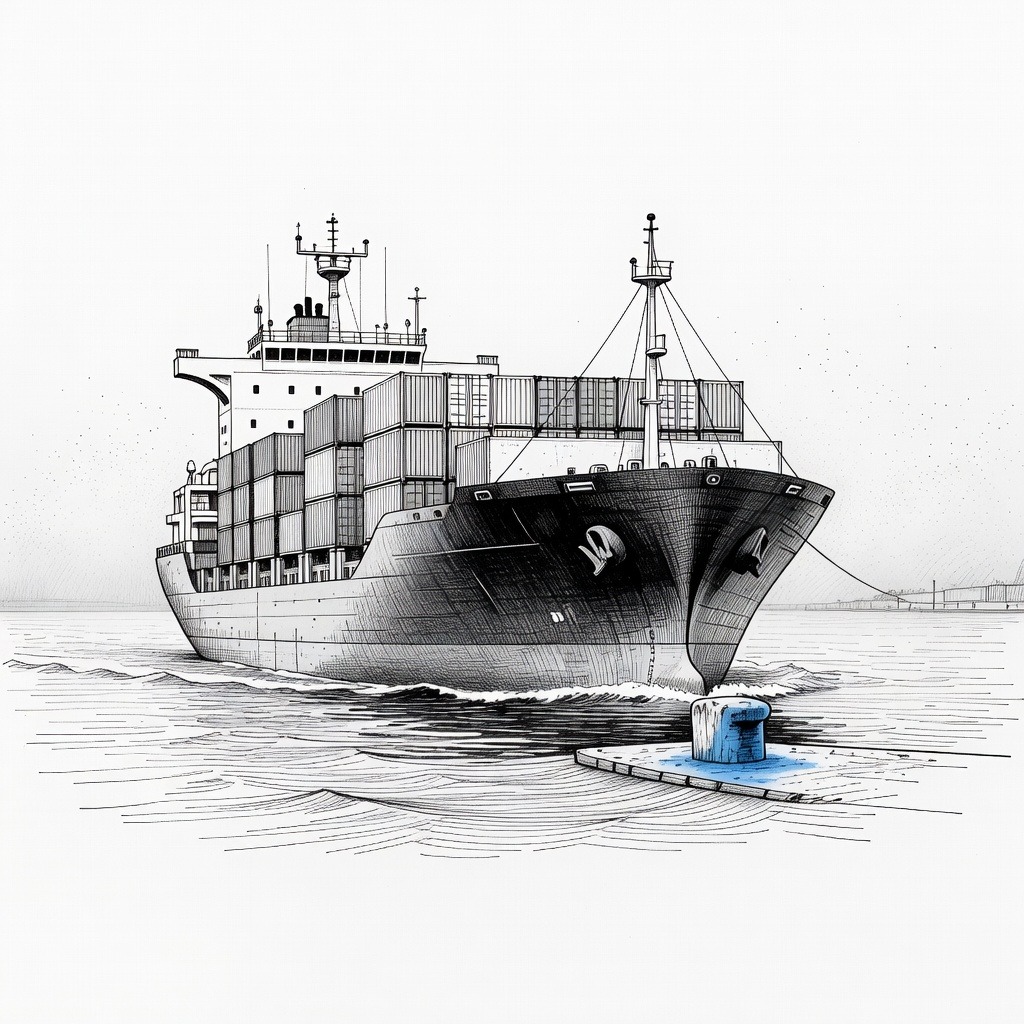
• Catalyst for Broader Chaos Prioritizing regional de-escalation dictates that preemptive military action frequently generates uncontrollable, asymmetric blowback. The strikes on three commercial ships, including the Thailand-flagged Mayuree Naree, are viewed as the direct, predictable consequence of the initial U.S. and Israeli airstrikes on February 28. This kinetic escalation has transformed a localized geopolitical dispute into an active, escalating threat against neutral international commerce.
• Endangering Civilian Maritime Transit Valuing the safety of non-combatants and global infrastructure, this perspective sees the transformation of the Strait of Hormuz into a warzone as a profound failure of diplomacy. Sinking 16 Iranian mine-laying boats and navigating the impending threat of deployed naval mines highlights a spiral of militarization that punishes the civilian shipping sector. The severe disruption to commercial transit represents the inevitable collateral damage of relying on force over diplomatic negotiation.
• Soft Power Amidst Hostilities Emphasizing diplomatic off-ramps, maintaining civilian and cultural ties is seen as essential for long-term conflict resolution and humanizing opposing populations. Affirming the Iranian national soccer team's participation in the 2026 World Cup serves as a vital preservation of soft power and people-to-people diplomacy. Isolating state military actions from civilian participation prevents absolute cultural embargoes and leaves a necessary diplomatic window open despite active warfare.
How it may affect me
As a U.S. reader:
• In the short term, the severe disruption of commercial shipping in the Strait of Hormuz may affect the availability of international goods, as an escalating military conflict has compromised a critical global economic route.
• U.S. military personnel are actively participating in a kinetic regional conflict, meaning the public faces the immediate reality of American forces engaging in direct combat and navigating asymmetric threats overseas.
• Looking toward the long term, U.S. residents will host the Iranian national soccer team for multiple matches during the 2026 World Cup, ensuring that civilian and cultural interactions continue on American soil despite ongoing state-level warfare.