
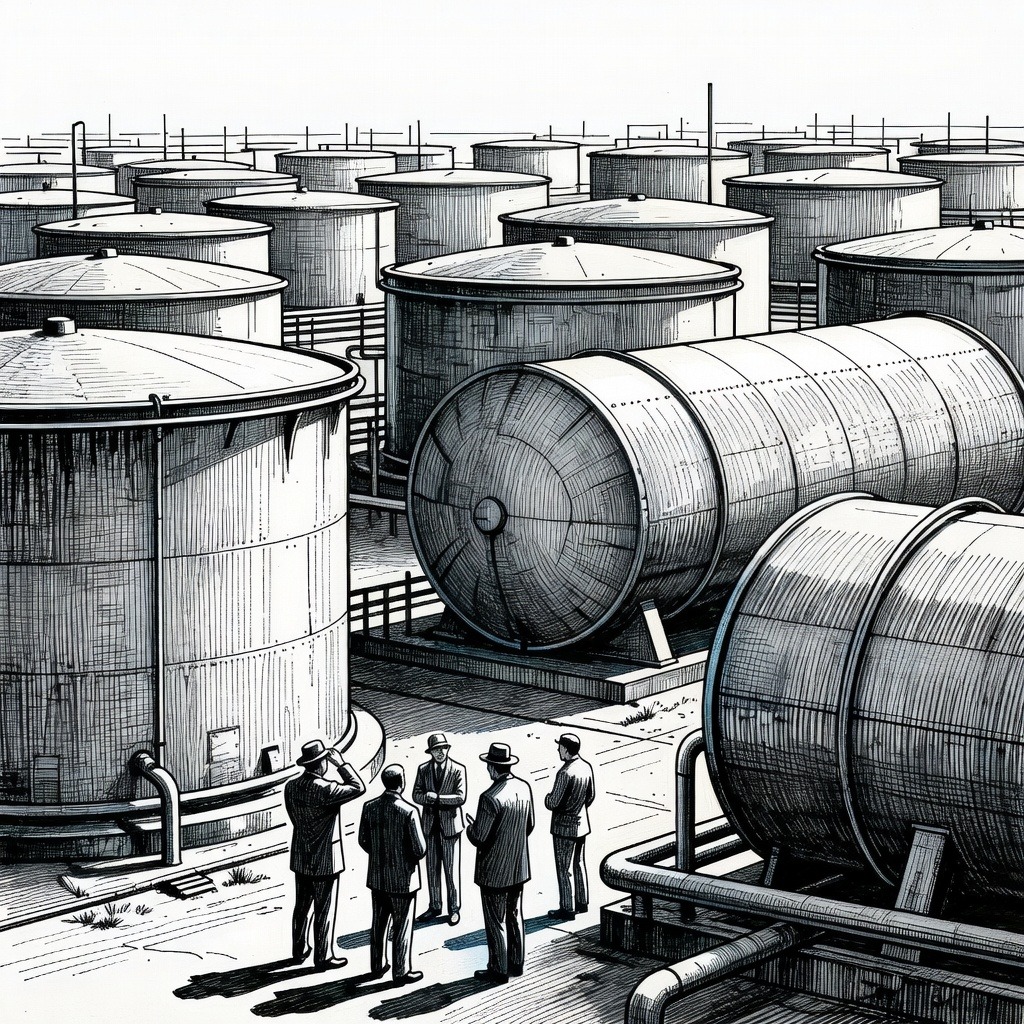
• Shield Against Price Shocks Prioritizes protecting everyday citizens from the volatile economic fallout of global conflicts. Views the record 400 million-barrel drawdown as a vital government intervention to stabilize markets after crude neared an unsustainable $120 per barrel. By actively coordinating this massive supply injection, allied governments are fulfilling their duty to insulate working-class livelihoods from the devastating ripple effects of the Strait of Hormuz closure.
• Curbing Corporate Exploitation Champions direct regulatory intervention to prevent opportunistic profit-seeking during international crises. Applauds Germany and Austria for implementing strict consumer price controls on gas stations, interpreting this as an essential mechanism for social equity. Without these regulations restricting how frequently fuel costs can rise, everyday consumers would unfairly absorb the immediate financial shock of the 90% drop in regional export volumes while industry stocks remain at 600 million barrels.
• Exposing Systemic Energy Fragility Views the crisis as undeniable proof of the systemic dangers inherent in global fossil fuel dependence. Acknowledging that 20% of global oil shipments are paralyzed by the ongoing Iran war, this camp sees emergency reserve releases as only a temporary patch for a fundamentally vulnerable economic model. The unprecedented scale of this historical emergency request underscores the urgent necessity to aggressively transition domestic economies away from conflict-prone international energy markets.
How it may affect me
As a U.S. reader:
• You may notice a short term stabilization in everyday gas prices, as the coordinated release of international emergency reserves has already caused global crude oil prices to drop by 11 percent after previously nearing 120 dollars per barrel.
• Because the United States is militarily involved in the unresolved conflict disrupting the Strait of Hormuz, you remain vulnerable to broader economic volatility and increased costs for goods tied to industrial fuel use.
• In the long term, you could face severe, multi-year fuel shortages and price surges if these unprecedented reserve drawdowns deplete critical public buffers before the maritime blockades and infrastructure damage are resolved.
• You will likely remain fully exposed to natural market price fluctuations at the gas pump, as the strict regulatory consumer price controls designed to limit fuel cost hikes were only implemented in European nations like Germany and Austria.