
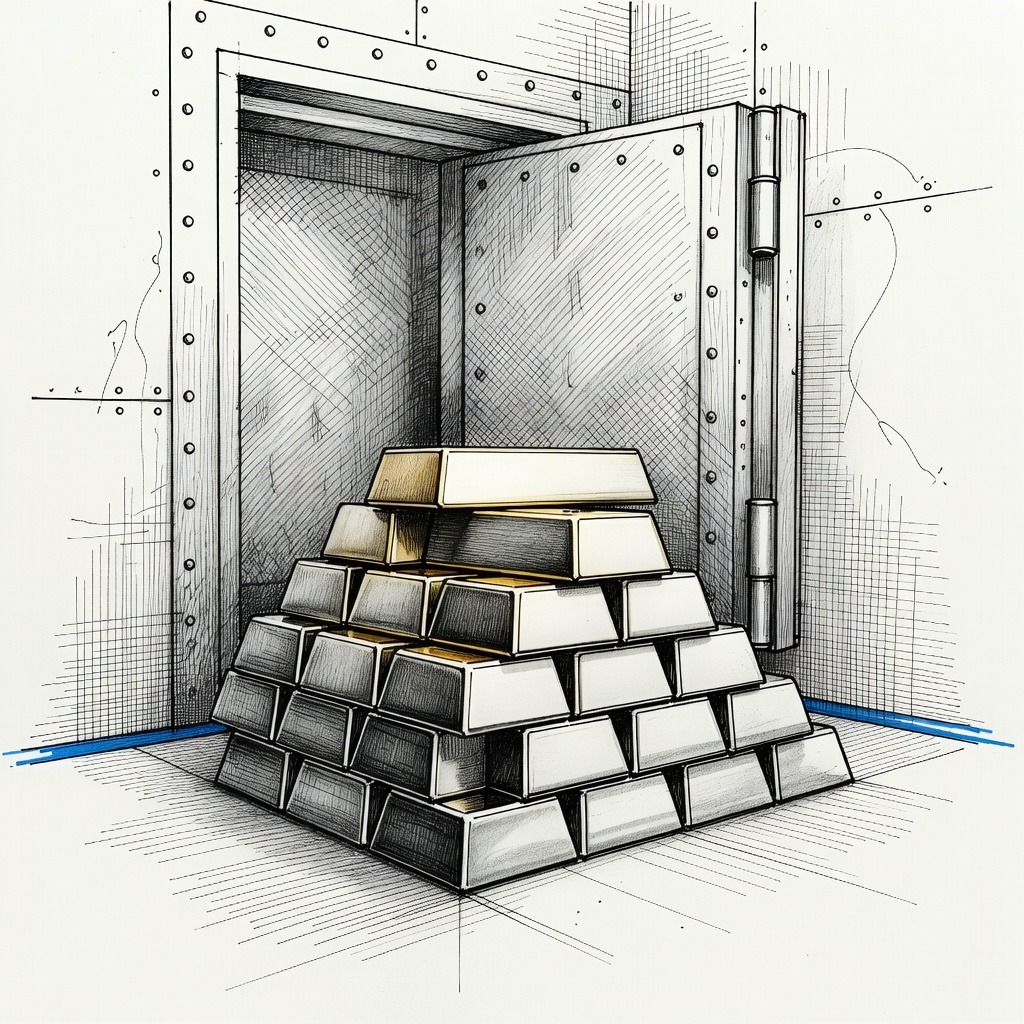
• Barometer of Systemic Strain The flight to gold at $5,000 per ounce is a stark indicator of macroeconomic failures that disproportionately harm working-class consumers. Capital is fleeing toward non-productive safe havens largely because of persistent inflation above the Fed's 2 percent target, punitive interest rates, and rising unemployment. This trend underscores a structural imbalance where systemic instability triggers a defensive wealth-hoarding retreat by capital owners, leaving vulnerable populations to absorb the actual cost of a slowing economy.
• Gamble for Retail Consumers The financial industry's push to market fractional purchases and dollar-cost averaging creates a dangerous illusion of accessible wealth for ordinary citizens. While professionals correctly advise capping gold at 10 percent of a portfolio, heavily promoting an asset with a high per-ounce cost through major retail platforms exposes anxious consumers to speculative volatility. Funneling retail capital into precious metals rather than productive, equity-building economic sectors ultimately stunts broad-based prosperity and preys on public economic fear.
• Shielding Concentrated Investor Wealth Utilizing self-directed IRAs to bypass the 28 percent capital gains tax on physical collectibles exposes a dual-tier tax structure designed to favor sophisticated capital. Navigating IRS mandates for 99.5 percent purity and employing approved third-party depository custodians requires resources and financial literacy typically unavailable to average wage earners. Consequently, this intricate regulatory framework protects elite wealth from taxation during a period of rising unemployment, depriving the public treasury of revenue needed for broader social stabilization.
How it may affect me
As a U.S. reader:
• You may continue to face higher living costs and job market instability in the short term, as record high gold prices reflect broader economic volatility, rising unemployment, and inflation remaining above the Federal Reserve target.
• You have expanded options to invest in high-cost precious metals through fractional purchases and online platforms, allowing everyday buyers to use dollar-cost averaging to build a recommended maximum 10 percent portfolio hedge.
• If you plan to use a self-directed Individual Retirement Account to avoid the 28 percent capital gains tax over the long term, you must strictly comply with IRS rules by using approved third-party depositories and 99.5 percent pure bullion, as personal storage or the use of previously owned gold will trigger financial penalties.
• The increasing trend of funneling private capital into tax-shielded precious metals rather than productive equity sectors may reduce long-term public treasury revenues, potentially impacting funding for broader societal economic stability.