
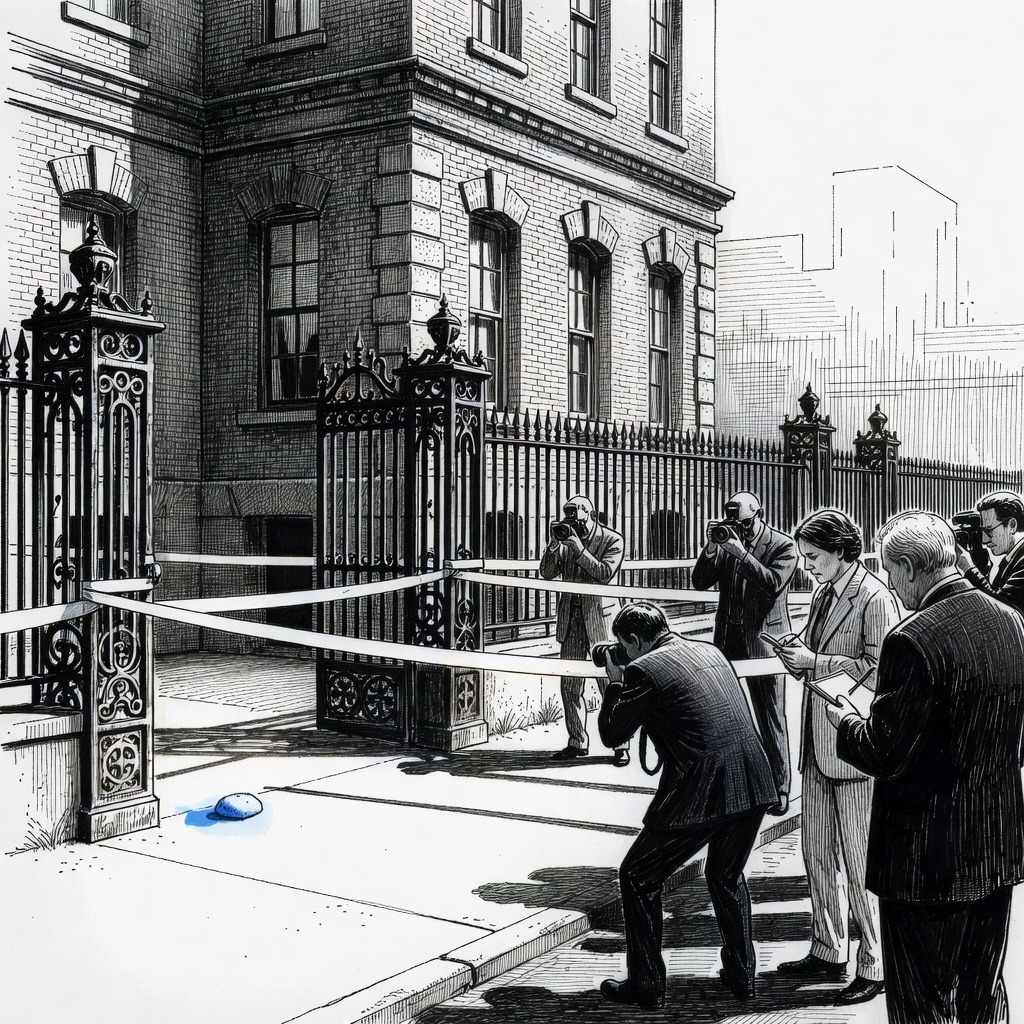
• Validate Proportional State Intervention The Left prioritizes the protection of human life while demanding strict accountability for state power. They view the actions of NYPD Chief Aaron Edwards and Sgt. Luis Navarro as the gold standard of law enforcement, successfully neutralizing a lethal threat without resorting to lethal force themselves. By tackling the suspects and securing the smoking device before detonation, the officers protected vulnerable civilians without escalating the violence. This demonstrates that public safety can be achieved through competent, targeted intervention rather than militarized community crackdowns.
• Combat Systemic Social Hostility Reformers view social equity as paramount, inherently linking physical violence to the systemic normalization of hate. They support Mayor Zohran Mamdani’s decision to simultaneously condemn the attempted bombing and the anti-Islam demonstrators gathered outside Gracie Mansion. From this perspective, while the ISIS-inspired violence of 18-year-old Emir Balat and 19-year-old Ibrahim Kayumi is inexcusable, the provocative bigotry of the protesting crowd also poses a direct threat to marginalized communities. Condemning both forces aims to protect the broader social fabric from escalating, localized hostility.
• Shield Against Reactionary Overreach The primary risk identified by this camp is the potential for the state to weaponize isolated extremist acts against broader civil liberties. They fear the suspects' allegiance to the Islamic State and their use of TATP explosives will be leveraged by political opportunists to justify invasive surveillance of Muslim communities. Because an attorney noted the teenagers were allegedly strangers prior to the plot, Reformers emphasize treating this as a localized, radicalized fringe event rather than a pretext to roll back institutional protections for innocent citizens.
How it may affect me
As a U.S. reader:
• In the short term, individuals attending public protests or political gatherings may experience increased law enforcement presence and tighter security protocols, as the thwarted plot specifically targeted a crowd of demonstrators outside a public official's residence.
• In the long term, citizens could face changes in domestic surveillance and policing practices, driven by competing political demands for maximum-security deterrence against interstate terrorist threats and warnings against the invasive surveillance of Muslim communities.
• Members of the public might observe shifts in local law enforcement training or funding discussions, as the officers' successful neutralization of the explosive threat is being championed across the political spectrum as a model for protecting civilians without resorting to lethal force.
• The public may navigate a more polarized civic environment regarding the boundaries of lawful assembly, as politicians and community leaders clash over how to properly manage and rhetorically distinguish between controversial protests and localized extremist violence.