
Anthropic Sues Trump Administration Over Supply Chain Risk Designation and Federal Ban

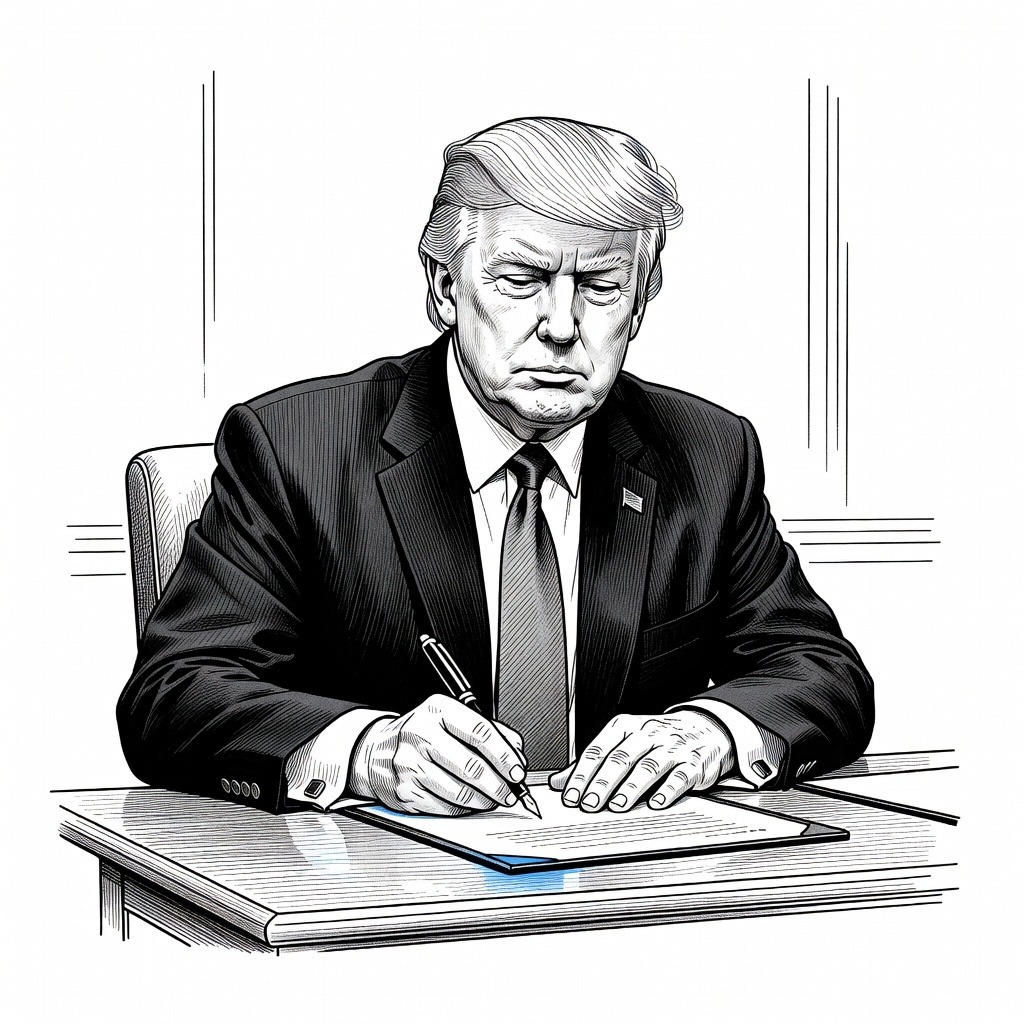
Illustration for: Anthropic Sues Trump Administration Over Supply Chain Risk Designation and Federal Ban
AI-generated illustration. Visual interpretation does not represent real individuals or scenes.

THE BARE STORY

Artificial intelligence company Anthropic filed lawsuits against the Trump administration on Monday to reverse a recent decision designating the firm as a supply chain risk. The legal actions, filed in federal courts in California and Washington, D.C., seek to block a presidential directive and a Department of Defense order that prohibit government agencies from using Anthropic’s technology.

The conflict stems from a standoff over the military application of Anthropic's AI model, Claude, which was authorized for use on classified networks last year. Anthropic sought assurances that its technology would not be utilized for lethal autonomous weapons or domestic mass surveillance. The Pentagon maintained that the AI must remain available for all lawful military purposes. After negotiations over a late February deadline stalled, President Donald Trump ordered agencies to cease using the company's products, and Defense Secretary Pete Hegseth formally issued the supply chain restriction.

In its court filings, Anthropic alleged that the government's actions bypass standard contract procedures and serve as unlawful retaliation for the company's protected speech, violating its First Amendment rights. The firm claimed the blacklisting is an attempt to destroy its business, citing immediate and irreparable harm through canceled federal agreements and the jeopardization of hundreds of millions of dollars in near-term revenue.

A Department of Defense spokesperson declined to comment on the active litigation. Addressing the broader dispute, a White House spokesperson stated that the administration will not allow a corporation to dictate military operations or jeopardize national security. Despite the formal restriction, the military has reportedly continued using Anthropic's AI model to support recent U.S. military operations involving Iran.

Same Facts. Different Perspectives.

Two AI models. Two viewpoints. One factual foundation.

• Enforcing Humanitarian Tech Guardrails Prioritizes civil liberties and human rights against the inherent dangers of unchecked state power. Views Anthropic’s demand for operational assurances against lethal autonomous weapons and domestic mass surveillance as a vital ethical boundary. From this perspective, private innovators hold a moral and civic obligation to prevent their models from being weaponized in ways that bypass humanitarian constraints or violate domestic constitutional protections.

• Defending Constitutional Due Process Values systemic accountability and the strict adherence to established legal frameworks. Interprets the Trump administration's sudden supply chain risk designation as executive overreach and unlawful retaliation for First Amendment-protected speech. Bypassing standard contract procedures to aggressively blacklist a vendor—jeopardizing hundreds of millions in near-term revenue—is seen as a dangerous abuse of state leverage designed to silence and punish corporate dissent.

• Rejecting Politicized Security Mandates Fears the erosion of institutional transparency when political optics supersede factual realities. Highlights the glaring contradiction that the military reportedly continues utilizing Claude for recent U.S. operations involving Iran despite the official federal restriction. Views this operational discrepancy as proof that the blacklisting is a punitive political stunt rather than a genuine national security imperative, ultimately destabilizing trust between the tech sector and the government.

How it may affect me

As a U.S. reader:

• In the long term, the resolution of this lawsuit could directly impact civilian privacy, as the dispute will test whether private AI companies can successfully prevent the federal government from utilizing their technology for domestic mass surveillance.

• In the short term, your national security and military combat readiness may be affected by the government's access to advanced technology, as the armed forces currently rely on this specific AI to support active U.S. operations involving Iran despite the restriction.

• Over time, the federal blacklisting and the jeopardization of hundreds of millions in corporate revenue could destabilize trust between the private technology sector and the government, potentially altering how commercial innovations are developed for and integrated into federal agencies.

Read the story at

Note: All TheBareNews content is AI-generated. For additional context, reporting, and updates, you are invited to explore the news outlets linked above.