
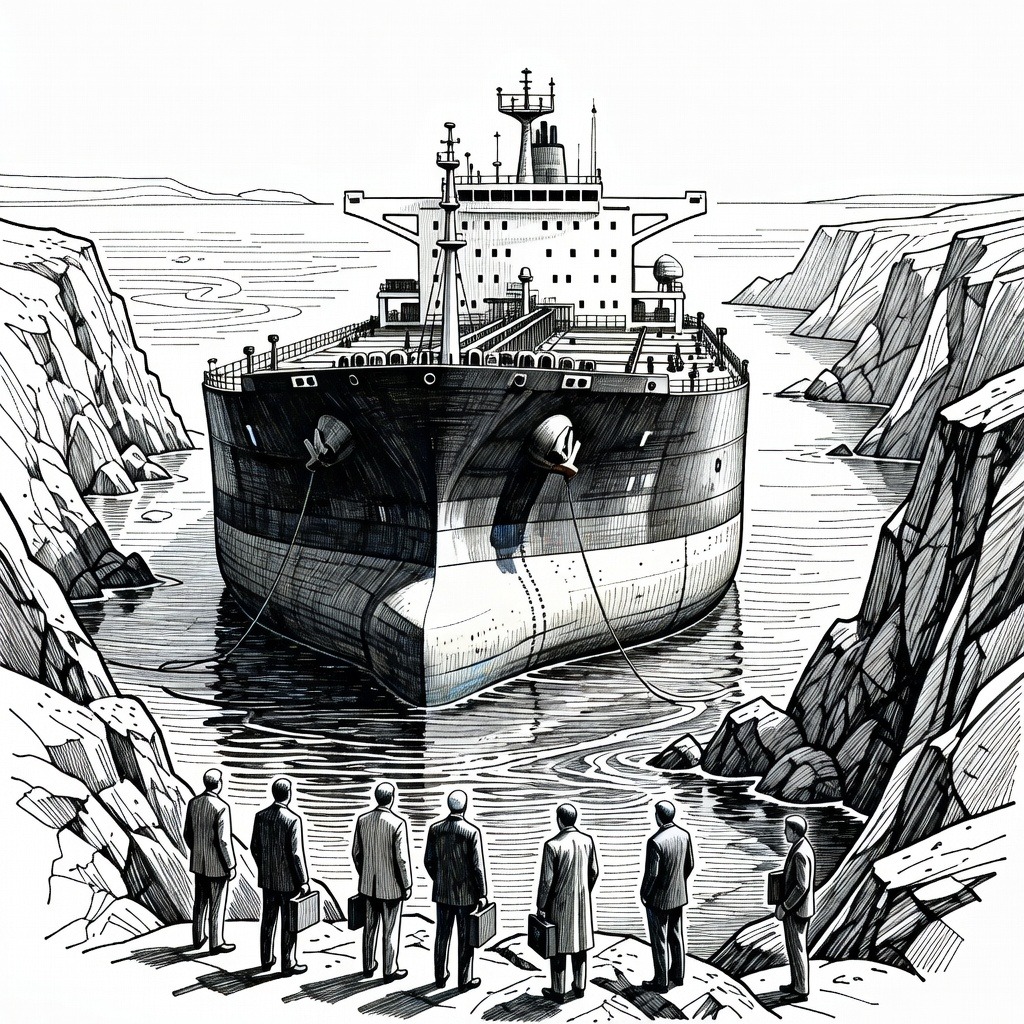
• Shielding Consumers From Escalation Economic equity demands protecting working-class citizens from the collateral financial damage of overseas military adventurism. The refusal of the Trump administration to tap the Strategic Petroleum Reserve, despite crude oil surging past $110 a barrel and halting 20 percent of global supply, shifts the burden of this conflict directly onto American drivers. From this perspective, Senator Schumer’s call to stabilize markets represents a necessary intervention to insulate the domestic economy from geopolitical volatility.
• Rejecting Militarized Cost-Benefit Logic Diplomatic frameworks prioritize long-term stability and human welfare over aggressive, high-risk containment strategies. Energy Secretary Chris Wright’s characterization of weeks-long shipping disruptions and price spikes as a "necessary trade-off" exemplifies a dangerous reliance on force over statecraft. Viewing severe global economic shocks merely as an acceptable cost to neutralize Iranian threats minimizes the cascading humanitarian consequences of protracted warfare.
• Fearing Uncontrollable Regional Conflagration Sustainable security is achieved through de-escalation, whereas unilateral military posturing often creates a self-sustaining cycle of violence. With Iran invoking international law for self-defense and a new supreme leader, Mojtaba Khamenei, taking power during an active crisis, deploying U.S. Navy escorts and federal shipping insurance risks triggering direct naval clashes. This approach threatens to pull the United States into a broader, uncontainable Middle Eastern war rather than resolving the root territorial and political disputes.
How it may affect me
As a U.S. reader:
• You will experience a direct, short-term increase in domestic gasoline costs as crude oil prices surge past $110 per barrel due to the disruption of 20 percent of the global oil supply.
• You should expect these higher prices at the pump to last for at least several weeks, as the federal government currently plans to preserve the Strategic Petroleum Reserve rather than release it to stabilize the market.
• The deployment of the U.S. Navy to escort tankers and the issuance of federal shipping insurance introduces the long-term risk of the country being drawn into a broader military conflict if direct naval clashes occur in the region.
• Enduring these immediate economic shocks is intended by officials to dismantle foreign leverage over critical trade routes, which could affect the long-term stability and security of global energy markets.