
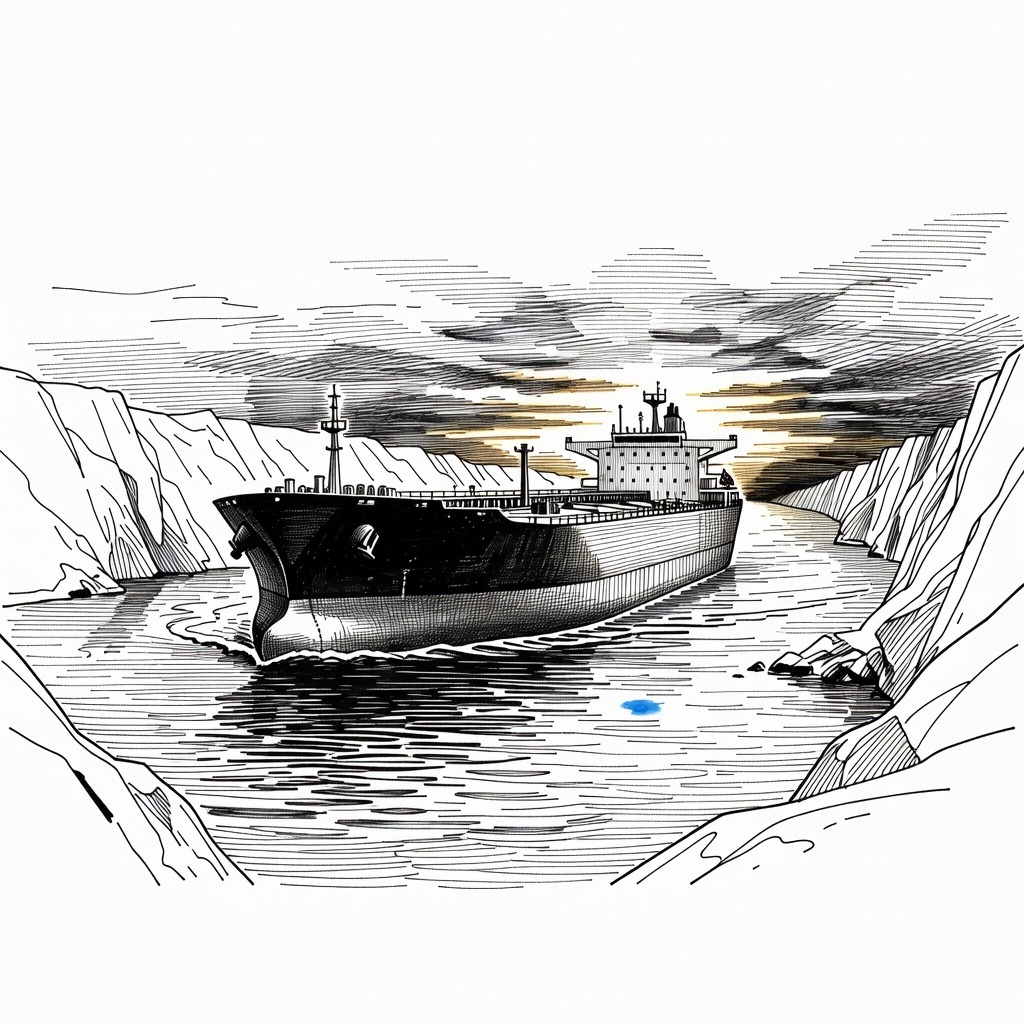
• Tax on the Vulnerable Prioritizing consumer protection requires viewing the spike of oil past $100 per barrel not just as a market fluctuation, but as a regressive economic shock to everyday citizens. The closure of the Strait of Hormuz directly transmits geopolitical instability into domestic inflation and rising U.S. Treasury yields. This dynamic exposes how reliance on centralized, conflict-prone fossil fuel markets continually leaves the broader public financially exposed to extractive crises entirely beyond their control.
• Shielding Through Structural Transition Long-term economic equity depends on aggressively breaking free from legacy fossil fuel dependencies. The Rhodium Group data showing electric vehicles displacing over one million barrels of daily oil demand demonstrates that transitioning to green technology is a functioning, real-world structural hedge. Coupled with the expansion of renewable energy infrastructure, these systemic shifts practically insulate domestic economies from the predatory price spikes that follow overseas conflicts.
• Mandate for Systemic Decoupling The immediate priority for the expected gathering of G7 finance ministers must extend beyond temporary inflation management toward accelerating permanent energy independence. China's two-decade effort to systematically reduce maritime oil reliance proves that vulnerabilities to global energy cartels can be engineered out of an economy. Failing to universally adopt localized renewable and electrified grids guarantees future economic hostage situations tied to fragile maritime chokepoints.
How it may affect me
As a U.S. reader:
• In the short term, the surge in global oil prices above $100 per barrel is expected to directly increase domestic energy costs and drive broader inflationary pressures for everyday citizens.
• The financial market reaction to the crisis includes rising U.S. Treasury yields across multiple maturities, which generally translates to higher long-term borrowing costs for consumers and shifts in domestic capital markets.
• Over the long term, the supply disruption demonstrates that transitioning to electric vehicles and localized renewable energy infrastructure could serve as a practical method to insulate household finances from future overseas fossil fuel crises.
• The reliance on global maritime chokepoints leaves domestic markets financially exposed to foreign conflicts, contrasting with competing nations that have structurally shielded their economies using alternative overland pipelines and energy sources.