
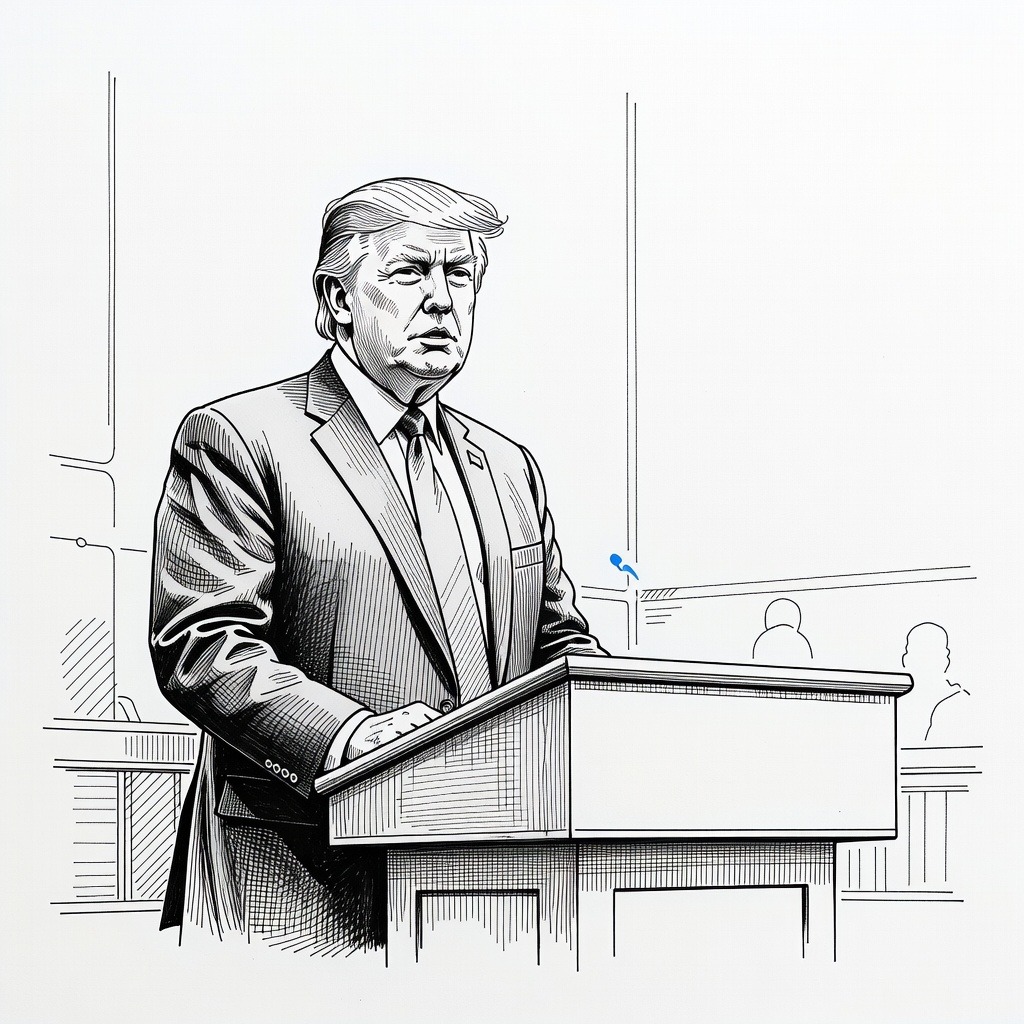
• Fracturing the Global Coalition The Humanitarian prioritizes adherence to international legal frameworks to maintain global stability and legitimacy. French President Emmanuel Macron’s condemnation of the strikes and Spain’s refusal to grant U.S. base access are viewed as severe diplomatic failures. Unilateral military actions that bypass international law isolate the United States, alienate essential allies, and strip the operation of moral authority on the world stage.
• Curbing Unchecked Executive Power Democratic accountability and domestic consensus are paramount when committing to armed conflict. The House of Representatives’ vote to limit presidential military authority reflects an urgent need to rein in an administration demanding "unconditional surrender." Pursuing maximalist military goals without congressional oversight violates institutional checks and balances, risking a descent into an endless, unilateral war driven by executive fiat.
• Fueling a Regional Tinderbox This camp centers the unacceptable human and economic costs of military escalation. The deaths of six U.S. service members in Kuwait, coupled with CENTCOM's report that Iran is operating from densely populated civilian areas, highlight the severe risk of mass casualties and collateral damage. Furthermore, the G7's emergency focus on energy markets illustrates how kinetic escalation creates devastating ripple effects, threatening global civilian well-being far beyond the immediate blast zones.
How it may affect me
As a U.S. reader:
• You may experience short-term and long-term economic impacts, particularly concerning changes in energy prices, as global finance ministers are actively convening to address the conflict's disruption to global energy markets.
• Military personnel and their families face immediate physical risks due to the escalating combat, a reality highlighted by the recent deaths of six American service members in Kuwait.
• You may witness domestic legal shifts regarding how wars are funded and fought, as the ongoing conflict has prompted the House of Representatives to vote on limiting the president's military authority.
• Long-term U.S. foreign relations and international cooperation may change, as traditional European allies like France and Spain have publicly criticized the strikes or restricted U.S. military access to their bases.