
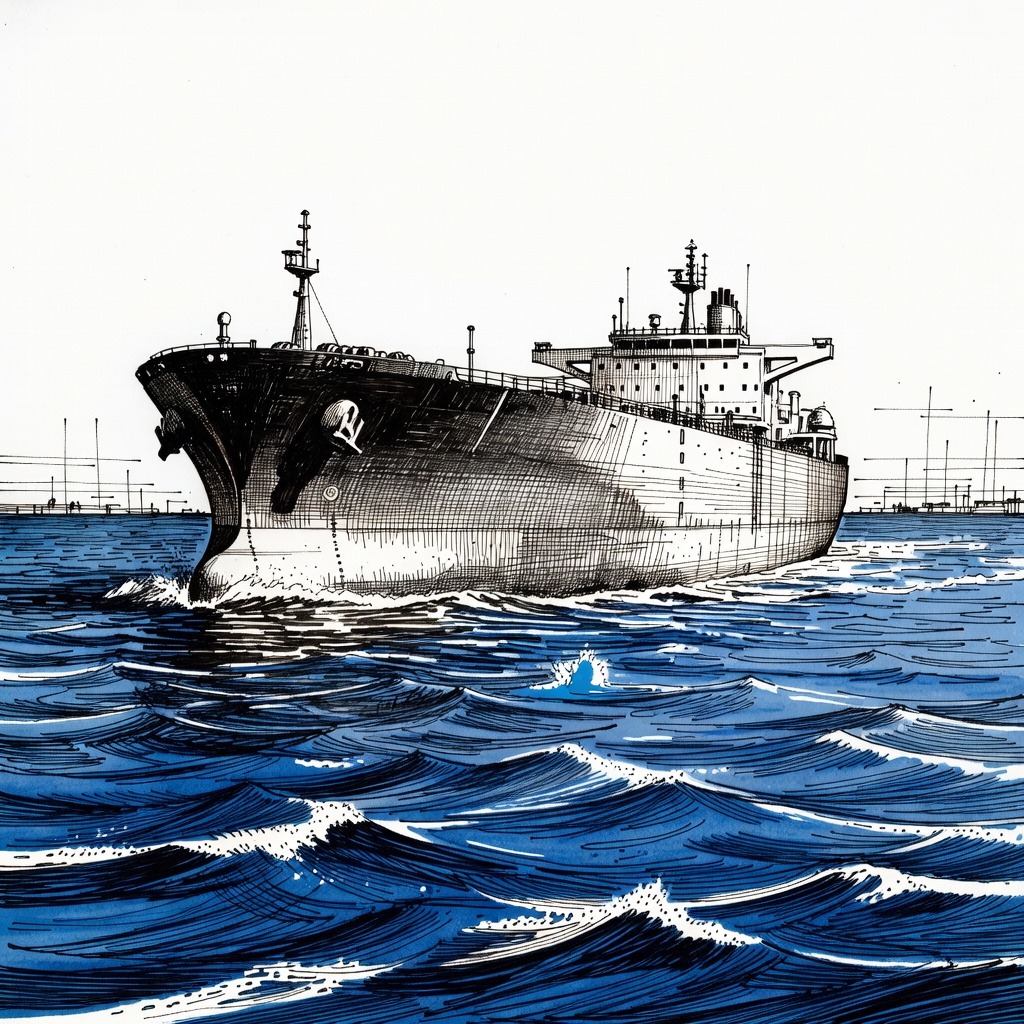
• Subsidizing Corporate Risk-Taking Prioritizing social equity means rejecting economic models where the public shoulders the financial burden to guarantee private profits. The $20 billion federal reinsurance program effectively forces taxpayers to underwrite the immense geopolitical risks of multinational oil conglomerates and maritime insurers. Rather than letting the fossil fuel industry bear the cost of navigating conflict zones, the administration is utilizing public funds to shield corporate margins from skyrocketing war-risk premiums.
• Ignoring Systemic Domestic Vulnerabilities True economic stability requires protecting working-class citizens from volatility, yet this intervention overwhelmingly caters to global capital flows. While the government rapidly engineers a massive financial backstop to guarantee the daily transit of 20 million barrels of crude, the domestic workforce is left exposed to the 92,000 jobs lost in February. This reveals a fundamental misalignment of priorities, rescuing maritime logistics networks like Maersk while offering no equitable safety net for everyday citizens facing the economic fallout.
• Entrenching Fragile Energy Paradigms Protecting consumers from price shocks requires transitioning away from easily disrupted commodities, not artificially propping up a failing system. By absorbing the insurance liabilities of vessels traversing the Strait of Hormuz, the state is treating a symptom while enabling an inherently unstable supply chain. This heavy-handed market intervention delays necessary structural reform, locking the economy into a vulnerable energy framework that ultimately leaves consumers exposed to the very stagflation risks cautioned by the Chicago Fed.
How it may affect me
As a U.S. reader:
• In the short term, you may experience fluctuations in gas and energy prices due to the disruption of 20 million daily barrels of crude oil, though the federal insurance program is intended to mitigate these rising costs.
• You bear a new financial liability as a taxpayer, with 20 billion dollars in public funds now backing the insurance risks of commercial oil tankers navigating through an active regional conflict zone.
• Your household could be impacted by stagflation, a condition warned about by the Chicago Fed where surging oil prices combine with the recent loss of 92,000 domestic jobs to squeeze both personal budgets and broader job security.
• Over the long term, your exposure to international price shocks may continue, as this government intervention sustains the existing fossil fuel supply chain instead of shifting the economy toward less vulnerable energy frameworks.