
• Externalizing Escalation Costs Downward Social equity demands that basic living costs remain insulated from discretionary geopolitical maneuvering. With national gas averages exceeding $3.30 per gallon and crude passing $90 a barrel, the immediate financial burden of this military operation is falling directly on working-class wallets. The administration's assurance that this is a "temporary disruption" offers little solace to vulnerable citizens who are forced to absorb sudden, aggressive price shocks at the pump while waiting for military objectives to conclude.
• Sacrificing Integrity for Optics Systemic accountability is compromised when governments issue hypocritical market exemptions to hide the fallout of their own aggressive policies. The Treasury Department’s decision to grant a short-term sanctions waiver allowing India to purchase Russian crude reveals a deeply cynical economic strategy. By tolerating the enrichment of a foreign adversary simply to artificially suppress domestic market pressure, the administration is demonstrating that maintaining the illusion of economic stability outweighs consistent global ethics.
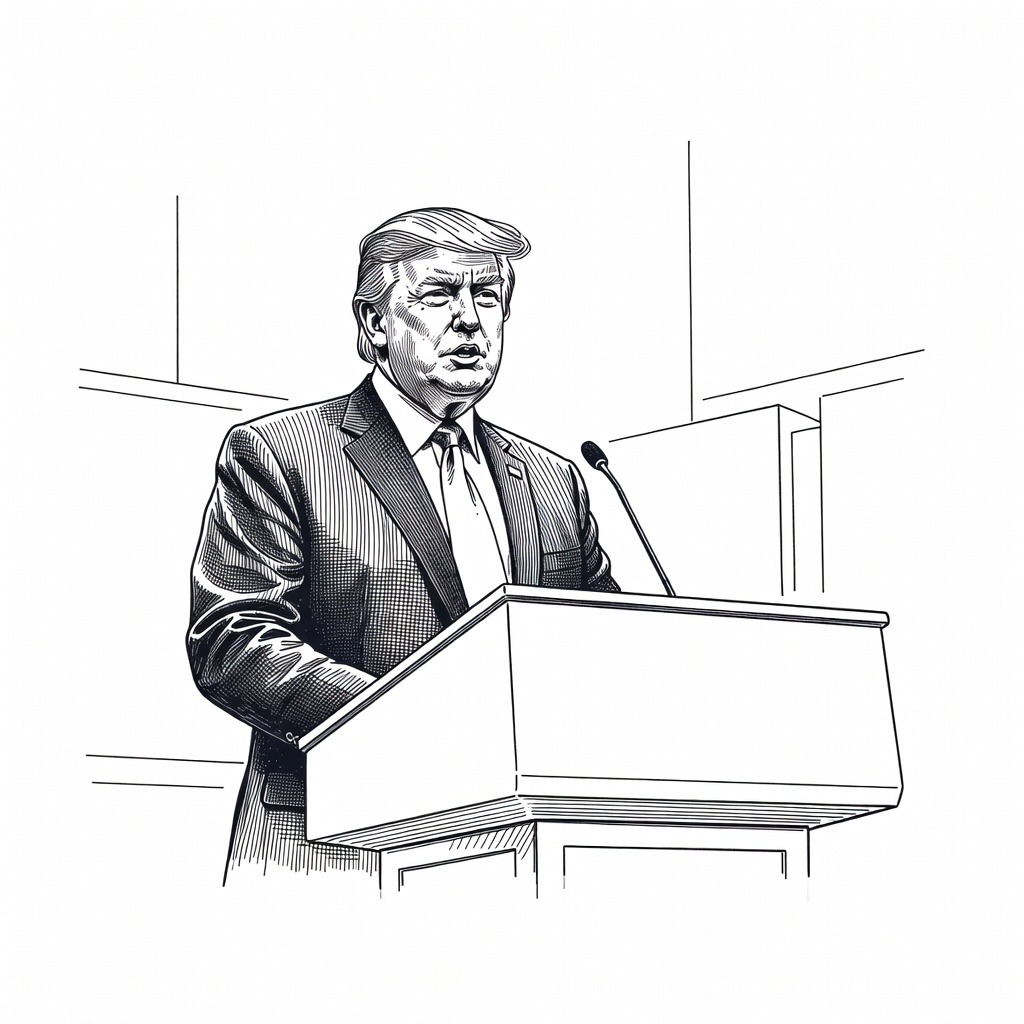
• Shielding Capital Over Consumers Institutions must prioritize direct public welfare over the protection of corporate profit margins during periods of economic volatility. President Trump’s rapid deployment of "political risk insurance" and Navy escorts serves to insulate private shipping conglomerates from financial hazard. Meanwhile, officials are explicitly downplaying the immediate release of the Strategic Petroleum Reserve—the primary tool that would provide direct, immediate economic relief to everyday citizens—showing a clear bias toward protecting corporate operations over consumer budgets.
How it may affect me
As a U.S. reader:
• In the short term, you will face higher immediate transportation costs, with the national average for regular gasoline rising above $3.30 per gallon and crude oil exceeding $90 per barrel.
• You will not see immediate price relief at the pump from the Strategic Petroleum Reserve, as the administration is currently holding this stockpile in reserve and relying on existing domestic energy stores to weather the disruption.
• U.S. military and financial resources, such as Navy ship escorts and government-backed political risk insurance, are being deployed to protect commercial shipping and prevent a broader economic recession.
• Over the longer term, officials expect the market disruption to last only a few weeks, anticipating that successfully securing global shipping lanes will stabilize supplies and eventually lower energy prices.